

Interior & product design studio inspiring living.
Lagos, Nigeria
Joined July 2023
- Tweets39
- Following0
- Followers53
- Likes28
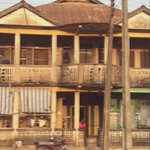


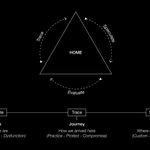


A visual diary of our research trip to Eruwa, Oyo state, Nigeria.
Behind the scenes of Páté, an ongoing studio project looking at the structures of informal economic activities in Lagos.


Dé ilé retweeted

A visual diary of our time in Eruwa, Oyo.
What started as a visit to a woodcarver working on Páté, an ongoing studio project, quickly became an experience on material culture, how modern economies separate the things we consume from the ecological time it takes to produce them.


For many traders operating in Lagos and similar cities, the stool is part of a deliberately lightweight infrastructure - a micro-architecture designed for anchoring and escape.


But if something was made, then it can be examined, and if it can be examined, then it can be changed. Read the full piece on our Substack: deilestudio.substack.com/p/h…


Candidates will be considered based on their understanding of the economic, political, social, & cultural implications of design, as well as their ability to conduct research across multiple media & publications, & through dialogue with individuals, communities, & organisations.
We are particularly interested in individuals with an interest in urbanism, sociology, anthropology, cultural studies, design research, political economy, or related fields.
To apply, send a brief introduction, relevant work samples, and your CV to: [email protected]