

Respondo por lo que digo, no por lo que entiendan. Opiniones publicadas son personales e intransferibles, no redimibles por plata o puntos.
Colombia
Joined September 2009
- Tweets4K
- Following374
- Followers366
- Likes33.5K







D.Otero retweeted

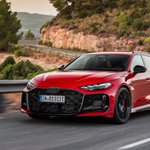
No es un render. No es una promesa. Es nuestro segundo vehículo matriculado.
Nuevo Super Cargo de EOLO. Diseñado y construido en #Colombia para la movilidad de carga de última. milla
D.Otero retweeted

The original Top Gear that launched in 1977 was a useful programme. The 2002 reboot, cooked up by Clarkson and producer Andy Wilman, was something else: a studio with a live crowd, a mute racing driver in a white suit called The Stig, celebrities sent around a track in a “reasonably priced car,” and three presenters who treated cars as punchlines, characters and passports.
When James May replaced Jason Dawe in series two, the chemistry locked. Clarkson was the loud, power-obsessed ringmaster. Hammond was the sharp witted, enthusiastic hamster who would try anything. May was Captain Slow, the pedant with the soul of an engineer. Their arguments weren’t bits. They felt like three mates who actually liked each other and enjoyed winding each other up. The show became a sitcom that happened to have supercars in it.
Cars stopped being appliances. They became the excuse for “how hard can it be?” challenges, £1,500 sports cars that immediately exploded, races against trains and boats and planes, and specials that sent three middle-aged men across Botswana, Vietnam, Bolivia, Patagonia and the Arctic. The cinematography - helicopter shots, dusk light, engines echoing off mountains - made a car show look like cinema. People who had never cared about torque curves suddenly cared about whether Hammond would survive the next cheap-car challenge.
The numbers were absurd -
In the UK it regularly pulled six million-plus viewers and peaked near seven or eight million. At its height it was the BBC’s most valuable commercial property, worth tens of millions a year in overseas sales, DVDs, tours and merch. The UK version was sold into 170-plus countries. BBC figures put the cumulative worldwide audience around 350 million people - not every week, but over the life of the show, an astonishing reach for a programme that started as a poky little motoring magazine.
Sunday night became a ritual. Families who couldn’t name a camshaft still sat down together. Kids who would never own a Veyron learned what one sounded like. People in countries with no British TV tradition quoted “POWERRRR,” “Oh, cock,” and “Some say…” as if they were local slang.
They invented the template everyone still copies -
Look at YouTube car culture. Cinematic reviews. Personality-first presenting. Budget road trips with mates. “We bought three terrible cars and drove them across a continent.” That whole language exists because Clarkson, Hammond and May made it look like the most fun job on earth, years before every 22-year-old had a gimbal and a channel. Writers have argued, not unreasonably, that for a generation they mattered more to car enthusiasm than many of the great manufacturers. Ask a random person to name someone famous associated with cars. They will not say Enzo Ferrari. They will say Jeremy Clarkson.
They also made loving cars socially normal. You didn’t have to be a garage hermit. You could be a bloke who liked engines and jokes and scenery. The specials doubled as travel films. A lot of people booked flights to Vietnam or Botswana because three idiots on BBC Two made the world look reachable.
The impact wasn’t just ratings. It was companionship. For more than a decade, millions of people had three familiar voices in the living room every week. Bad day? Cheap-car challenge. Need wonder? Polar special. Need to laugh at human incompetence? Almost any episode. The friendship on screen - real enough that it survived crashes, controversies, a BBC firing and a move to Amazon - made the show feel like hanging out with people you knew.
They were messy. They caused diplomatic incidents. They said things that would not survive a modern compliance meeting. That is part of why they felt like television from a different era: three men who were allowed to be large, rude, authentic, sentimental and ridiculous in the same hour. When they finally signed off from The Grand Tour, it really did feel like the end of something that television no longer quite knows how to make.

D.Otero retweeted
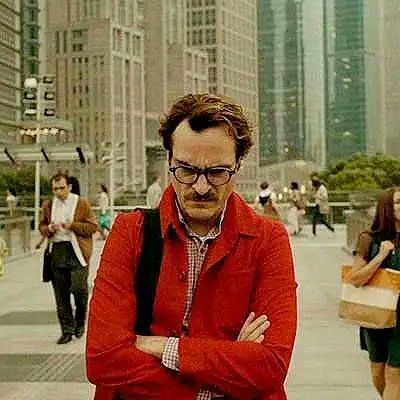
The cart scene in Austin Powers: International Man of Mystery (1997) is one of the dumbest ideas ever put on screen… and somehow one of the funniest.


D.Otero retweeted

Todo lo bueno que le pase, SIEMPRE será más que merecido.
Jim Carrey ha recibido un César Honorífico de la Academia francesa de cine, y esto es motivo para estar feliz❤️👏🏼👏🏼
Eres grande, Jim🥹🙌🏼

D.Otero retweeted

Once you hear it’s Phil Collins’ "In the Air Tonight", you know what’s coming, but that doesn’t make it any less brilliant.
D.Otero retweeted

He was a passionate voice for motoring and consumer rights. Quentin dedicated his life to spreading the love for cars and helped the public understand them whether they were classic combustion or modern electric. His kindness, intelligence, sharp wit and loving soul will always be missed. Rest in Peace Q, we love you.


D.Otero retweeted

BREAKING NEWS
The Norwegian Nobel Committee has decided to award the 2025 #NobelPeacePrize to Maria Corina Machado for her tireless work promoting democratic rights for the people of Venezuela and for her struggle to achieve a just and peaceful transition from dictatorship to democracy.
#NobelPrize


D.Otero retweeted

Probamos el MINI Aceman, un paso intermedio
Con el Countryman un escalón más arriba que antes, el Aceman es una propuesta familiar de dimensiones más contenidas, eléctrica y dividida en dos versiones, E y SE. Arranca en 190 millones de pesos.
motor.com.co/seccion/revista…

D.Otero retweeted
El carro de entrada en Colombia ya no es popular
Hoy en día la oferta arranca desde los 45 millones de pesos e incluye vehículos y cuadriciclos eléctricos, pero la definición de barato o asequible ya no es la misma de antes.
motor.com.co/seccion/industr…


D.Otero retweeted
Bicitaxis, un transporte sin estructura
La resolución que busca reglamentar la construcción de estos aparatos se queda en conceptos superficiales, mientras que la operación sigue en manos de la informalidad.
motor.com.co/industria/Bicit…


