

#CashisKing betaal Cash. Samenwonend. Teckel gek. Voor een groen milieu, voor het vrije woord en een goede gezondheidszorg Ex apotheker nu fulltime pensionado
overal en nergens
Joined March 2016
- Tweets109K
- Following554
- Followers828
- Likes39.3K


Pinned Tweet
Maar wat is er ‘zorgvuldig’ aan het te sterven leggen van een baby die na een late abortus alsnog levend ter wereld komt?
Daarop kreeg Stoffer bijval van PVV-leider Geert Wilders. “Zegt u eigenlijk: laat het maar een jaar gebeuren? Het gebeurt. Het is de praktijk nu. Kunnen we niets doen om dat te stoppen, eerder dan over een jaar?”
#abortus

Henri Bontenbal voelt ‘ongemak’ bij late abortus, maar verschuilt zich achter adviesorganen
stirezo.nl/artikelen/henri-b…

Drs. H.J. (Harry) de Groot 🇮🇱 🇺🇦 🇳🇱🦬🚜 retweeted

Partijen als PRO plaatsen op een populistische manier de ‘rijken’ tegenover de ‘werkenden’.
Alsof mensen die vermogen hebben opgebouwd om straks ook een pensioen te hebben, daar niet hard voor gewerkt hebben. @henkvermeer legt uit hoe het echt zit.
Drs. H.J. (Harry) de Groot 🇮🇱 🇺🇦 🇳🇱🦬🚜 retweeted

Ik heb het @RobJetten @DilanYesilgoz en @HenriBontenbal nu al een paar keer proberen uit te leggen hoe de EU soms werkt


Drs. H.J. (Harry) de Groot 🇮🇱 🇺🇦 🇳🇱🦬🚜 retweeted

“Wegwezen”, gaan we nog veel vaker horen nu @Bontenbal en @jpaternotte de mannenbroeders van DENK naar het hart van de macht hebben getrokken. Arm Nederland: verkwanseld en weggegeven aan de grote bekken. Op straat en tot in de Tweede Kamer.
Drs. H.J. (Harry) de Groot 🇮🇱 🇺🇦 🇳🇱🦬🚜 retweeted

俄罗斯通往克里米亚的跨海大桥,现在彻底没法修了。
前两年被炸断还能抢修通车,如今哪怕换一截桥面都做不到。
卡死俄军的不是钢材水泥,而是修桥非用不可的海上起重船。
修克里米亚大桥必须动用海上起重船,而乌克兰不会允许任何船只在那干活。
很多人第一反应肯定是:
修桥干嘛非得下海?
直接把吊车开上桥面,一段推着一段往前架不行吗?
真不行。
先看克里米亚大桥是个什么体量。
这座桥横跨刻赤海峡,全长 19 公里,公路桥和铁路桥并行。
它不是陆地上的高架桥,底下全是海水。
桥面上随便一截钢箱梁,动辄就是几百吨重;到了中间的主航道拱桥段,单座钢拱的重量更是达到几千吨。
陆地上修桥,吊车可以支在桥下的硬地里。
到了底下全是海水的海峡中央,一旦某一截桥面塌落或者桥墩受损,断口两头的残存桥面根本扛不住巨型履带吊的自重,更别说再去悬空吊起几百吨的新钢梁了。
你想把掉进海里的烂钢梁捞走,再把几百吨的新桥面一毫米不差地架回桥墩上,工程上只有一个办法:
从海面上走。
把排水量几千上万吨的巨型海上起重船,也就是俗称的“海吊”,直接开到断桥底下,从水面上往上吊。
那前两次怎么修好的?
2022 年 10 月卡车爆炸震塌公路桥面,还有 2023 年 7 月无人艇撞伤桥跨,俄罗斯确实都调了大型浮吊船和工程驳船过去,甚至还在主桥旁边打桩搭过施工便桥。
那时候虽然被刻赤海峡的风浪折腾了好几个月,但好歹把新钢梁吊上去接通了。
为什么到了今天,这条路彻底走不通了?
因为黑海和刻赤海峡的水面规则全变了。
海吊船干活是个什么场面?
这玩意儿不是快艇,它是一座漂在水上的钢铁高塔。
平时航速慢得像蜗牛,很多时候还得靠拖船拽着走,全身上下没有任何装甲。
更要命的是它干活的规矩。
海吊船到了断桥底下,不能边走边吊。
它必须抛下好几口重锚,把自己死死钉在桥墩旁边的海面上,一动不动地停上好几天甚至几个星期。
水下切残骸、清理支座、起吊新钢梁、焊接校准,哪一步都快不了。
在 2022 年,乌军手里还没有多少能跨海精确打击的家伙,俄军还能把工程船护在防空圈里慢慢磨。
现在呢?
连全副武装、能开着二三十节航速机动规避的俄军军舰,都被乌军的自杀式无人艇与远程导弹逼得退出了塞瓦斯托波尔。
军舰跑着都躲不开,一艘几十米高、没有装甲、必须定在固定坐标上一动不动干活几周的巨型海吊船开过去,在乌军的无人艇和远程火力眼里算什么?
那就是送到嘴边的活靶子。
这笔账算到这里,死结就全看明白了。
整个黑海和亚速海加起来,能吊起几百吨桥跨的大型海吊船本来就屈指可数。
俄军只要敢派一艘过去抛锚开工,乌军甚至不需要再费劲去啃那根几米粗的钢筋混凝土桥墩。
打桥墩需要重型钻地弹头,打一艘定在海面上的工程船,一艘无人艇或者一发导弹就够了。
炸沉一艘海吊,不仅抢修当场归零,沉在桥底下的几千吨钢铁船体还会反过来把航道和施工位彻底堵死。
过去打仗,大家都觉得炸毁一座 19 公里长的跨海大桥最难。
现在的现实是,桥不用整座炸平。
只要守住缺口底下的那片水面,谁也别想把扳手递上去。

Islam means submission by murder, violence and rape.

This is Maher Hamdi al-Hashlamoun, a 30-year-old Palestinian Islamic Jihad terrorist from Hebron who brutally murdered 26-year-old Dalia Lemkus near Alon Shvut, Israel, on November 10, 2014.
Before leaving home, he purchased two knives, prepared a will, and handed it to his wife. He planned to run over Jewish victims and stab them to death if they survived.
That afternoon, Dalia, an occupational therapist from Tekoa, was waiting for a ride to her volunteer shift.
At approximately 4:40 p.m., he spotted Dalia standing near the bus stop, accelerated his vehicle, and deliberately ran her over. The impact was so violent that the stone barriers protecting the station were torn from the ground.
Dalia survived the impact.
He stepped out of his vehicle with a knife, chased her, and repeatedly stabbed her in the face, neck, and upper body as she screamed for help.
Yishai Katz, who was driving past, stopped and tried to intervene. He chased Katz and stabbed him in the face. He also attacked Isaiah Horowitz, stabbing him several times in the abdomen.
Then he returned to Dalia.
He stabbed her again and again to make sure she was dead. By the time he finished, she had suffered approximately 20 stab wounds.
An Israeli security guard finally opened fire, seriously wounding him and ending the attack.
He was sentenced to two consecutive life sentences in March 2015. His home was demolished that October.
But on October 13, 2025, nearly 11 years after murdering Dalia, he was released from Israeli prison as part of the hostage exchange agreement.
Dalia never made it to her volunteer shift. Her murderer, who had gone looking for innocent people to kill, is now a free man.
Never forget Dalia Lemkus. Never forget what this monster didr.

11
Drs. H.J. (Harry) de Groot 🇮🇱 🇺🇦 🇳🇱🦬🚜 retweeted

This is Maher Hamdi al-Hashlamoun, a 30-year-old Palestinian Islamic Jihad terrorist from Hebron who brutally murdered 26-year-old Dalia Lemkus near Alon Shvut, Israel, on November 10, 2014.
Before leaving home, he purchased two knives, prepared a will, and handed it to his wife. He planned to run over Jewish victims and stab them to death if they survived.
That afternoon, Dalia, an occupational therapist from Tekoa, was waiting for a ride to her volunteer shift.
At approximately 4:40 p.m., he spotted Dalia standing near the bus stop, accelerated his vehicle, and deliberately ran her over. The impact was so violent that the stone barriers protecting the station were torn from the ground.
Dalia survived the impact.
He stepped out of his vehicle with a knife, chased her, and repeatedly stabbed her in the face, neck, and upper body as she screamed for help.
Yishai Katz, who was driving past, stopped and tried to intervene. He chased Katz and stabbed him in the face. He also attacked Isaiah Horowitz, stabbing him several times in the abdomen.
Then he returned to Dalia.
He stabbed her again and again to make sure she was dead. By the time he finished, she had suffered approximately 20 stab wounds.
An Israeli security guard finally opened fire, seriously wounding him and ending the attack.
He was sentenced to two consecutive life sentences in March 2015. His home was demolished that October.
But on October 13, 2025, nearly 11 years after murdering Dalia, he was released from Israeli prison as part of the hostage exchange agreement.
Dalia never made it to her volunteer shift. Her murderer, who had gone looking for innocent people to kill, is now a free man.
Never forget Dalia Lemkus. Never forget what this monster didr.
Drs. H.J. (Harry) de Groot 🇮🇱 🇺🇦 🇳🇱🦬🚜 retweeted

Meer dan 79.000 handtekeningen tegen de omstreden proef late abortussen!
Vandaag nam @djhvandijk deze petitie van @npvzorgnl in ontvangst. Daarmee wordt er een duidelijk signaal afgegeven aan de Tweede Kamer: ‘stop deze omstreden proef’.
Drs. H.J. (Harry) de Groot 🇮🇱 🇺🇦 🇳🇱🦬🚜 retweeted

Boodschap aan Syriërs is helder. Vrouwen zijn vogelvrij mits je in de war bent door je ervaringen. Dan krijg je behandeling. Denkt er nog iemand aan het slachtoffer?

De vernietiging van de boog van de Kertsjbrug en de blokkade van de scheepvaartroute door het puin ervan raken veel meer dan alleen de Russische transportverbindingen met het bezette Crimea. Het zet een kettingreactie van verstoringen in gang voor maritiem en riviertransport, graan- en oliewinning, militaire logistiek en de economieën van hele Russische regio’s. Het puin van de brug blokkeert het Kertsj–Jenikalekanaal, waardoor directe toegang tot de Zwarte Zee voor de havens van Rostov aan de Don, Azov, Tagonrog, Jejsk en Temrjoek, evenals de bezette havens Marioepol en Berdjansk, wordt afgesneden. Maar de gevolgen reiken verder. Via de Don en het Wolga–Donkanaal is de Zee van Azov verbonden met de Wolga, de Kaspische Zee en het uitgestrekte Russische netwerk van binnenwateren.
Het belangrijkste doel van de Oekraïense aanval is het militaire logistieke netwerk dat het bezette Crimea bevoorraadt. De Kertsjbrug blijft een belangrijke bevoorradingsroute voor Russische troepen, en Oekraïne zal proberen deze permanent buiten gebruik te stellen. Moskou kan niet rekenen op het herstel van de brug en de scheepvaart door de Straat van Kertsj zonder inmenging zolang de oorlog voortduurt. Het verlies van weg- en spoorverbindingen dwingt Rusland om vracht om te leiden via het bezette zuiden van Oekraïne, waar transportroutes al de frontlinie bevoorraden. Crimea zal niet volledig geïsoleerd raken, maar Rusland verliest een belangrijke back-upoptie voor zijn militaire logistiek. Hoe minder bevoorradingsroutes overblijven, hoe moeilijker het voor Rusland wordt om zijn troepen te bevoorraden en bezet gebied vast te houden.
De tweede grote klap is voor de Russische graanexport. Volgens schattingen van S&P Global was de route via de Straat van Kertsj en het Azov–Donsysteem in augustus 2026 verantwoordelijk voor ongeveer 28% van de Russische tarwe-export. Dit zet meer dan een kwart van de export van een van Ruslands belangrijkste landbouwproducten op het spel. Sommige graan kan worden omgeleid via andere havens, maar dat vereist spoorcapaciteit, goederenwagons, graanopslagfaciliteiten en beschikbare terminals. Al dit kost geld en tijd. Graan zal zich ophopen in opslag, exportcontracten zullen niet worden nagekomen, transportkosten zullen stijgen en de prijzen die aan Russische landbouwproducenten worden betaald, komen onder druk te staan.
Het was Rusland dat in 2022 de Oekraïense Zwarte Zee-havens blokkeerde, in 2023 uit de graanovereenkomst stapte en doorging met het vernietigen van Oekraïense graansilo’s, terminals en haveninfrastructuur. Het richt zich nu ook systematisch op de productie-installaties zelf: in november 2026 legden Russische aanvallen de sojabonenverwerkingsfabriek van Astarta stil en beschadigden ze de oliezadenperserij van Kernel. De vernietiging van het elektriciteitsnet verlamt verder de verwerking en opslag van landbouwproducten. Rusland vernietigt systematisch de Oekraïense landbouwlanceringsketen, van productie tot export, terwijl het Oekraïne probeert te verdringen uit de wereldwijde voedselmarkten. Als Moskou nu het vermogen verliest om zijn eigen graan via Kertsj te verschepen, samen met graan dat is gestolen uit bezette Oekraïense gebieden, is dit een direct gevolg van de oorlog die het heeft ontketend.

The destruction of the Kerch Bridge’s arch and the blockage of the shipping channel by its debris affect far more than Russia’s transport links with occupied Crimea. It triggers a chain of disruptions to maritime and river transport, grain and oil exports, military logistics, and the economies of entire Russian regions. Debris from the bridge blocks the Kerch–Yenikale Canal, cutting off direct access to the Black Sea for the ports of Rostov-on-Don, Azov, Taganrog, Yeysk and Temryuk, as well as occupied Mariupol and Berdiansk. But the consequences extend further. Through the Don and the Volga–Don Canal, the Sea of Azov is connected to the Volga, the Caspian Sea and Russia’s vast network of inland waterways.
The main target of the Ukrainian strike is the military logistics network supplying occupied Crimea. The Kerch Bridge remains an important supply route for Russian forces, and Ukraine will seek to put it permanently out of service. Moscow cannot count on restoring the bridge and shipping through the Kerch Strait without interference while the war continues. The loss of road and rail links forces Russia to reroute cargo through occupied southern Ukraine, where transport routes are already supplying the front. Crimea will not be completely isolated, but Russia will lose an important fallback option for its military logistics. The fewer supply routes remain, the harder it becomes for Russia to supply its troops and hold occupied territory.
The second major blow is to Russian grain exports. According to S&P Global estimates, the route through the Kerch Strait and the Azov–Don system accounted for around 28% of Russian wheat exports in August 2026. This puts more than a quarter of exports of one of Russia’s main agricultural commodities at risk. Some grain can be rerouted through other ports, but this requires rail capacity, freight wagons, grain storage facilities and available terminals. All of this costs money and takes time. Grain will accumulate in storage, export contracts will go unfulfilled, transport costs will rise, and the prices paid to Russian agricultural producers will come under pressure.
It was Russia that blockaded Ukraine’s Black Sea ports in 2022, withdrew from the grain deal in 2023, and continued destroying Ukrainian grain silos, terminals and port infrastructure. It is now also systematically targeting production facilities themselves: in November 2026, Russian strikes shut down Astarta’s soybean processing plant and damaged Kernel’s oilseed crushing plant. The destruction of the power grid further paralyses the processing and storage of agricultural products. Russia is systematically destroying Ukraine’s agricultural supply chain, from production to exports, while trying to push Ukraine out of global food markets. If Moscow now loses the ability to ship its own grain through Kerch, along with grain stolen from occupied Ukrainian territories, this is a direct consequence of the war it launched.
The third blow is to Russian petroleum product exports. Some fuel from refining centres in the Volga region and the Kama basin reaches Black Sea export routes via the Volga, the Volga–Don Canal and the Sea of Azov. Blocking passage through Kerch severs this transport chain. Russian carriers will have to find alternative ports or shift cargo to rail. This means additional costs, delays and competition for transport capacity. All of this comes against the backdrop of Ukrainian strikes on Russian refineries, which have already reduced fuel production and shipment capacity. Novorossiysk’s major oil terminals do not depend directly on the Kerch Strait, but access through the Sea of Azov has been an important export route for some producers in Russia’s interior.
The fourth blow is to the freight transport system as a whole. The problem extends beyond vessels unable to pass through the canal. A ship stuck in port cannot make its next voyage. Grain that cannot be shipped out fills storage facilities. A terminal at capacity stops accepting new cargo. A producer loses a buyer, a carrier loses revenue, and an exporter loses a contract. Even after passage is restored, these losses will not automatically disappear: accumulated cargo will have to be moved, and disrupted schedules will have to be reorganised. In this way, a single blocked canal creates problems for businesses and transport companies far beyond the Sea of Azov.
The fifth blow is to Russia’s railways. Cargo previously transported by water will have to be shifted to overland routes. But the rail network does not have unlimited spare capacity. Moving additional millions of tonnes of grain, petroleum products and other goods requires freight wagons, locomotives, track capacity and port terminals. This additional cargo will compete with existing freight flows, including military shipments. Russian Railways will be able to absorb some of these volumes, but at the cost of delays, higher logistics costs and the displacement of other freight.
The sixth blow is to naval logistics. Through the Volga, the Volga–Don Canal, the Don and the Sea of Azov, Russia has been able to transfer certain small warships and auxiliary vessels between the Caspian Flotilla and the Black Sea Fleet. Blocking the Kerch–Yenikale Canal deprives it of this direct route. The Caspian Flotilla, of course, retains its ability to operate in the Caspian Sea, while other inland waterways maintain connections to northern maritime basins. But the usual route from the Caspian to the Black Sea through the Sea of Azov becomes unavailable to these vessels. Russia loses another means of rapidly redeploying part of its naval forces between theatres of operations.
The seventh blow is to occupied Mariupol and Berdiansk. Russia is trying to incorporate these Ukrainian ports into its own transport system, using them for cargo shipments, military logistics and the removal of resources from occupied territories. Without access to the Black Sea, their role is sharply diminished. Russia will therefore lose the benefits it derives from the port infrastructure it seized during the war.
Moscow must recognise that Ukraine is unlikely to allow it to restore, without interference, transport infrastructure used to sustain Russian aggression. The Kerch Bridge supports Russian military logistics, giving Ukraine every reason to continue strikes aimed at putting it permanently out of service.
This is the central irony: the Kremlin built the bridge as a symbol of Crimea’s annexation, only to create a critical and highly vulnerable transport hub whose damage can paralyse routes deep inside Russian territory. The bridge Putin intended to bind Crimea to Russia forever may now cut off a substantial part of Russia itself from direct access to the Black Sea.

1
39
De derde klap is voor de Russische export van aardolieproducten. Sommige brandstof uit raffinaderijen in de Wolgaregio en het Kama-bekken bereikt Zwarte Zee-exportroutes via de Wolga, het Wolga–Donkanaal en de Zee van Azov. Het blokkeren van de doorgang door Kertsj doorsnijdt deze transportketen. Russische vervoerders zullen alternatieve havens moeten vinden of vracht over moeten hevelen naar het spoor. Dit betekent extra kosten, vertragingen en concurrentie om transportcapaciteit. Al dit speelt zich af tegen de achtergrond van Oekraïense aanvallen op Russische raffinaderijen, die de brandstofproductie en -vervoercapaciteit al hebben verminderd. De grote olieterminals van Novorossiejsk zijn niet direct afhankelijk van de Straat van Kertsj, maar toegang via de Zee van Azov is een belangrijke exportroute geweest voor sommige producenten in het binnenland van Rusland.
De vierde klap is voor het goederenvervoersysteem als geheel. Het probleem gaat verder dan schepen die niet door het kanaal kunnen. Een schip dat vastzit in de haven kan zijn volgende reis niet maken. Graan dat niet kan worden verscheept, vult opslagfaciliteiten. Een terminal op capaciteit stopt met het aannemen van nieuwe lading. Een producent verliest een koper, een vervoerder verliest inkomsten en een exporteur verliest een contract. Zelfs nadat de doorgang is hersteld, zullen deze verliezen niet automatisch verdwijnen: opgehoopte vracht moet worden verplaatst en verstoorde schema’s moeten worden hergeorganiseerd. Op deze manier creëert een enkel geblokkeerd kanaal problemen voor bedrijven en transportondernemingen ver buiten de Zee van Azov.
De vijfde klap is voor de Russische spoorwegen. Vracht die voorheen over water werd vervoerd, moet worden overgeheveld naar landroutes. Maar het spoornetwerk heeft geen onbeperkte reserve-capaciteit. Het verplaatsen van extra miljoenen tonnen graan, aardolieproducten en andere goederen vereist goederenwagons, locomotieven, spoorcapaciteit en haven-terminals. Deze extra vracht zal concurreren met bestaande goederenstromen, inclusief militaire zendingen. Russische Spoorwegen zal in staat zijn om enkele van deze volumes op te vangen, maar ten koste van vertragingen, hogere logistieke kosten en het verdringen van andere goederen.
De zesde klap is voor de marine-logistiek. Via de Wolga, het Wolga–Donkanaal, de Don en de Zee van Azov heeft Rusland bepaalde kleine oorlogsschepen en hulpvaartuigen kunnen overplaatsen tussen de Kaspische Vloot en de Zwarte Zee Vloot. Het blokkeren van het Kertsj–Jenikalekanaal berooft het van deze directe route. De Kaspische Vloot behoudt natuurlijk zijn vermogen om te opereren in de Kaspische Zee, terwijl andere binnenwateren verbindingen onderhouden met noordelijke maritieme bassins. Maar de gebruikelijke route van de Kaspische Zee naar de Zwarte Zee via de Zee van Azov wordt voor deze schepen niet meer beschikbaar. Rusland verliest een ander middel om snel een deel van zijn marinekrachten tussen operatietheaters te herpositioneren.
De zevende klap is voor de bezette havens Marioepol en Berdjansk. Rusland probeert deze Oekraïense havens in zijn eigen transportsysteem in te passen, ze te gebruiken voor vrachtzendingen, militaire logistiek en het weghalen van hulpbronnen uit bezette gebieden. Zonder toegang tot de Zwarte Zee is hun rol sterk verminderd. Rusland zal daarom de voordelen verliezen die het trekt uit de haveninfrastructuur die het tijdens de oorlog heeft veroverd.
Moskou moet erkennen dat Oekraïne het waarschijnlijk niet zal toestaan om, zonder inmenging, transportinfrastructuur te herstellen die wordt gebruikt om Russische agressie in stand te houden. De Kertsjbrug ondersteunt de Russische militaire logistiek, wat Oekraïne alle reden geeft om door te gaan met aanvallen gericht op het permanent buiten gebruik stellen ervan.
1
20
Dit is de centrale ironie: het Kremlin bouwde de brug als symbool van de annexatie van Crimea, om slechts een cruciale en uiterst kwetsbare transportknooppunt te creëren waarvan schade routes diep in Russisch grondgebied kan verlammen. De brug die Poetin voor ogen had om Crimea voor altijd aan Rusland te binden, kan nu een substantieel deel van Rusland zelf afsnijden van directe toegang tot de Zwarte Zee.
22
Drs. H.J. (Harry) de Groot 🇮🇱 🇺🇦 🇳🇱🦬🚜 retweeted

The destruction of the Kerch Bridge’s arch and the blockage of the shipping channel by its debris affect far more than Russia’s transport links with occupied Crimea. It triggers a chain of disruptions to maritime and river transport, grain and oil exports, military logistics, and the economies of entire Russian regions. Debris from the bridge blocks the Kerch–Yenikale Canal, cutting off direct access to the Black Sea for the ports of Rostov-on-Don, Azov, Taganrog, Yeysk and Temryuk, as well as occupied Mariupol and Berdiansk. But the consequences extend further. Through the Don and the Volga–Don Canal, the Sea of Azov is connected to the Volga, the Caspian Sea and Russia’s vast network of inland waterways.
The main target of the Ukrainian strike is the military logistics network supplying occupied Crimea. The Kerch Bridge remains an important supply route for Russian forces, and Ukraine will seek to put it permanently out of service. Moscow cannot count on restoring the bridge and shipping through the Kerch Strait without interference while the war continues. The loss of road and rail links forces Russia to reroute cargo through occupied southern Ukraine, where transport routes are already supplying the front. Crimea will not be completely isolated, but Russia will lose an important fallback option for its military logistics. The fewer supply routes remain, the harder it becomes for Russia to supply its troops and hold occupied territory.
The second major blow is to Russian grain exports. According to S&P Global estimates, the route through the Kerch Strait and the Azov–Don system accounted for around 28% of Russian wheat exports in August 2026. This puts more than a quarter of exports of one of Russia’s main agricultural commodities at risk. Some grain can be rerouted through other ports, but this requires rail capacity, freight wagons, grain storage facilities and available terminals. All of this costs money and takes time. Grain will accumulate in storage, export contracts will go unfulfilled, transport costs will rise, and the prices paid to Russian agricultural producers will come under pressure.
It was Russia that blockaded Ukraine’s Black Sea ports in 2022, withdrew from the grain deal in 2023, and continued destroying Ukrainian grain silos, terminals and port infrastructure. It is now also systematically targeting production facilities themselves: in November 2026, Russian strikes shut down Astarta’s soybean processing plant and damaged Kernel’s oilseed crushing plant. The destruction of the power grid further paralyses the processing and storage of agricultural products. Russia is systematically destroying Ukraine’s agricultural supply chain, from production to exports, while trying to push Ukraine out of global food markets. If Moscow now loses the ability to ship its own grain through Kerch, along with grain stolen from occupied Ukrainian territories, this is a direct consequence of the war it launched.
The third blow is to Russian petroleum product exports. Some fuel from refining centres in the Volga region and the Kama basin reaches Black Sea export routes via the Volga, the Volga–Don Canal and the Sea of Azov. Blocking passage through Kerch severs this transport chain. Russian carriers will have to find alternative ports or shift cargo to rail. This means additional costs, delays and competition for transport capacity. All of this comes against the backdrop of Ukrainian strikes on Russian refineries, which have already reduced fuel production and shipment capacity. Novorossiysk’s major oil terminals do not depend directly on the Kerch Strait, but access through the Sea of Azov has been an important export route for some producers in Russia’s interior.
The fourth blow is to the freight transport system as a whole. The problem extends beyond vessels unable to pass through the canal. A ship stuck in port cannot make its next voyage. Grain that cannot be shipped out fills storage facilities. A terminal at capacity stops accepting new cargo. A producer loses a buyer, a carrier loses revenue, and an exporter loses a contract. Even after passage is restored, these losses will not automatically disappear: accumulated cargo will have to be moved, and disrupted schedules will have to be reorganised. In this way, a single blocked canal creates problems for businesses and transport companies far beyond the Sea of Azov.
The fifth blow is to Russia’s railways. Cargo previously transported by water will have to be shifted to overland routes. But the rail network does not have unlimited spare capacity. Moving additional millions of tonnes of grain, petroleum products and other goods requires freight wagons, locomotives, track capacity and port terminals. This additional cargo will compete with existing freight flows, including military shipments. Russian Railways will be able to absorb some of these volumes, but at the cost of delays, higher logistics costs and the displacement of other freight.
The sixth blow is to naval logistics. Through the Volga, the Volga–Don Canal, the Don and the Sea of Azov, Russia has been able to transfer certain small warships and auxiliary vessels between the Caspian Flotilla and the Black Sea Fleet. Blocking the Kerch–Yenikale Canal deprives it of this direct route. The Caspian Flotilla, of course, retains its ability to operate in the Caspian Sea, while other inland waterways maintain connections to northern maritime basins. But the usual route from the Caspian to the Black Sea through the Sea of Azov becomes unavailable to these vessels. Russia loses another means of rapidly redeploying part of its naval forces between theatres of operations.
The seventh blow is to occupied Mariupol and Berdiansk. Russia is trying to incorporate these Ukrainian ports into its own transport system, using them for cargo shipments, military logistics and the removal of resources from occupied territories. Without access to the Black Sea, their role is sharply diminished. Russia will therefore lose the benefits it derives from the port infrastructure it seized during the war.
Moscow must recognise that Ukraine is unlikely to allow it to restore, without interference, transport infrastructure used to sustain Russian aggression. The Kerch Bridge supports Russian military logistics, giving Ukraine every reason to continue strikes aimed at putting it permanently out of service.
This is the central irony: the Kremlin built the bridge as a symbol of Crimea’s annexation, only to create a critical and highly vulnerable transport hub whose damage can paralyse routes deep inside Russian territory. The bridge Putin intended to bind Crimea to Russia forever may now cut off a substantial part of Russia itself from direct access to the Black Sea.

Drs. H.J. (Harry) de Groot 🇮🇱 🇺🇦 🇳🇱🦬🚜 retweeted

Russia no longer can enter or leave the Azov Sea with ships
The Kerch Bridge with its arch collapsed into the water, blocking the 200 meter passage way for ships
The Azov Sea is important for Russia’s economy, ~25% of Russia’s total grain exports move through the Azov Sea

Drs. H.J. (Harry) de Groot 🇮🇱 🇺🇦 🇳🇱🦬🚜 retweeted

#Ukraine Kerch Bridge hit again overnight by 4 FP-5 drones: load-bearing arch and roadway span collapse into the strait, blocking the shipping channel. Footage shows massive sections in the water. #CrimeanBridge
Die Schifffahrtsroute durch die Straße von Kertsch ist seit dem 17. November 2026 für größere Schiffe, darunter Tanker, die den tiefen Fahrwasserkanal benötigen, praktisch blockiert.
#KerchBridgeDone #Kerchbrücke
In der Nacht vom 16. auf den 17. November stürzten der Straßenbogen und ein Brückenfeld der Kertschbrücke (Krimbrücke) ins Wasser, direkt in den einzigen tiefen Fahrwasserkanal (den Kertsch-Jenikale-Kanal, ca. 120 Meter breit und bis zu 8 Meter tief). Der restliche Teil der Straße ist zu flach (oft nur 3–6 Meter tief), als dass große Schiffe ihn umfahren könnten. Die Trümmer (Tausende Tonnen Stahl) befinden sich somit in der einzigen befahrbaren Passage zwischen dem Schwarzen Meer und dem Asowschen Meer.
Russische Hilfsschiffe (Schlepper, ein Bagger) wurden bereits vor Ort gesichtet, um die Trümmer zu bergen. Experten schätzen jedoch, dass dies je nach Wetterlage und weiteren Angriffen Wochen bis Monate dauern könnte. Bis dahin ist der reguläre Schiffsverkehr für Binnenschiffe und größere Tanker nicht möglich.
Hintergrund und aktuelle Lage in Rostow am Don: Das Asowsche Meer hat keine andere Verbindung zum offenen Meer. Seit dem 10. Juli 2026 ist die Straße von Kertsch nach ukrainischen Drohnenangriffen auf Tanker im Asowschen Meer (Dutzende Schiffe wurden getroffen) weitgehend für die Handelsschifffahrt gesperrt. Ende Oktober/Anfang November gab es eine eingeschränkte Wiedereröffnung für Getreideschiffe (bis etwa zum 15. November), der Schiffsverkehr war jedoch bereits nahezu zum Erliegen gekommen.
Rostow am Don (und die nahegelegenen Häfen Taganrog und Asow) ist ein wichtiges Exportgebiet für Getreide und Erdölprodukte. Erdölprodukte (Diesel, Heizöl usw.) werden über Binnenschiffe vom Don ins Asowsche Meer und anschließend durch die Straße von Kertsch transportiert. In der Region (unter anderem in Asow und Rostow) befinden sich mehrere Ölterminals, die zu diesem Zweck genutzt werden. Diese Häfen und Terminals wurden in den letzten Monaten bereits mehrfach von ukrainischen Drohnenangriffen getroffen, was zu einem starken Rückgang der Aktivitäten geführt hat.
Zusammenfassend lässt sich sagen: Tanker und andere große Schiffe aus der Region Asow/Don (einschließlich Rostow) können derzeit das Schwarze Meer nicht erreichen. Die durch die Brückentrümmer verursachte physische Blockade verstärkt die bestehenden Einschränkungen infolge der Drohnenangriffe.
1
60
The shipping route through the Kerch Strait is now (as of November 17, 2026) effectively blocked for larger vessels, including tankers that require the deep channel.
#KerchBridgeDone #Kerchbrücke
The road arch and a span of the Kerch Bridge (Crimea Bridge) collapsed and fell into the water during the night of November 16 to 17, right into the only deep navigation channel (the Kerch-Yenikale Canal, approximately 120 meters wide and up to about 8 meters deep). The rest of the strait is too shallow (often only 3–6 meters) for large ships to navigate around it. The debris (thousands of tons of steel) is therefore located in the only usable passage between the Black Sea and the Sea of Azov.
Russian support vessels (tugboats, a dredger) have already been sighted on site to remove the debris, but experts estimate that this could take weeks to months, depending on weather conditions and further attacks. Until then, normal shipping is not possible for river-sea vessels or larger tankers.
Background and status for Rostov-on-Don
The Sea of Azov has no other outlet to the open sea. Since July 10, 2026, the Kerch Strait has already been largely closed to commercial shipping following Ukrainian drone attacks on tankers in the Sea of Azov (dozens of ships hit). There was a limited reopening for grain ships in late October/early November (until approximately November 15), but total traffic was already nearly zero.
Rostov-on-Don (and the nearby ports of Taganrog and Azov) is indeed an important export area for grain and oil products. Petroleum products (diesel, fuel oil, etc.) are transported via river-sea vessels from the Don to the Sea of Azov and subsequently continue via the Kerch Strait. There are several oil terminals in the region (including in Azov and Rostov) used for this purpose. These ports and terminals have already been hit multiple times by Ukrainian drone attacks in recent months, causing activity to decline sharply.
In summary: tankers and other large ships from the Sea of Azov / Don region (including Rostov) are currently unable to reach the Black Sea. The physical blockade caused by the bridge debris reinforces the existing restrictions caused by the drone campaign.
4
261
De vaarroute via de Straat van Kertsj is nu (per 17 november 2026) effectief geblokkeerd voor grotere schepen, waaronder tankers die de diepe vaargeul nodig hebben.
#KerchBridgeDone #Kerchbrücke
De wegboog en een span van de Kerch-brug (Krimbrug) zijn in de nacht van 16 op 17 november ingestort en in het water gevallen, precies in de enige diepe navigatiekanaal (het Kerch-Yenikale Canal, circa 120 meter breed en tot zo’n 8 meter diep). De rest van de straat is te ondiep (vaak maar 3–6 meter) voor grote schepen om eromheen te varen. Het puin (duizenden tonnen staal) ligt dus in de enige bruikbare passage tussen de Zwarte Zee en de Zee van Azov.
Russische hulpschepen (sleepboten, een baggerschip) zijn al ter plaatse gesignaleerd om het puin te verwijderen, maar experts schatten dat dit weken tot maanden kan duren, afhankelijk van weersomstandigheden en verdere aanvallen. Tot die tijd is er geen normale scheepvaart mogelijk voor river-sea schepen of grotere tankers.
Achtergrond en status voor Rostov-aan-de-Don
De Zee van Azov heeft geen andere uitgang naar de open zee. Sinds 10 juli 2026 was de Straat van Kertsj al grotendeels gesloten voor commerciële scheepvaart na Oekraïense drone-aanvallen op tankers in de Zee van Azov (tientallen schepen geraakt). Er was eind oktober/begin november een beperkte heropening voor graanschepen (tot circa 15 november), maar het totale verkeer was al bijna nul.
Rostov-aan-de-Don (en de nabijgelegen havens Taganrog en Azov) is inderdaad een belangrijk exportgebied voor graan en olieproducten. Petroleumproducten (diesel, stookolie enz.) gaan via rivier-zee schepen vanuit de Don naar de Zee van Azov en vervolgens via de Straat van Kertsj verder. Er zijn meerdere olie-terminals in de regio (o.a. in Azov en Rostov) die hiervoor worden gebruikt. Deze havens en terminals zijn de afgelopen maanden al meerdere keren getroffen door Oekraïense drone-aanvallen, waardoor de activiteit sterk was teruggelopen.
Samengevat: tankers en andere grote schepen vanuit de Zee van Azov / Don-regio (inclusief Rostov) kunnen op dit moment niet naar de Zwarte Zee. De fysieke blokkade door het brugpuin versterkt de al bestaande beperkingen door de drone-campagne.
1
84
Drs. H.J. (Harry) de Groot 🇮🇱 🇺🇦 🇳🇱🦬🚜 retweeted

Das Problem liegt jetzt möglicherweise unter Wasser.
Unter der Brücke verläuft eine der wichtigsten Schifffahrtsrouten der Region.
Die Meerenge von Kertsch verbindet das Schwarze Meer mit dem Asowschen Meer.
Und genau dort sollen jetzt gewaltige Stahltrümmer liegen.
Sollte die zentrale Fahrrinne tatsächlich blockiert sein, könnten größere Frachtschiffe nicht mehr passieren. Eine vollständige Sperrung ist bisher allerdings noch nicht unabhängig bestätigt.
Man muss sich das vorstellen: Russland müsste nicht nur die Brücke reparieren, sondern möglicherweise auch Tausende Tonnen Stahl aus dem Wasser bergen.
Das könnte Wochen oder länger dauern.
Betroffen wären dann auch wichtige Transporte von Getreide, Treibstoffen und anderen Gütern. Häfen am Asowschen Meer könnten erhebliche Probleme bekommen.
Ein einziger Angriffskomplex könnte damit gleich zwei Verkehrswege lahmgelegt haben: über dem Wasser und darunter.
Das Entscheidende an dieser Geschichte ist nicht nur die mögliche Zerstörung der Brücke.
Es sind die Folgen.
Russland braucht zuverlässige Transportwege zur Krim. Wenn die Brücke länger ausfällt, muss deutlich mehr über den besetzten Landkorridor im Süden der Ukraine transportiert werden.
Und auch diese Strecken sind verwundbar.
Dazu kommen mögliche Probleme mit der Schifffahrt, enorme Reparaturkosten und die Frage, wie Russland ein derart wichtiges Bauwerk überhaupt dauerhaft schützen will.
Natürlich bedeutet das nicht, dass die russischen Truppen auf der Krim plötzlich vollständig abgeschnitten wären. Dafür existieren andere Versorgungswege.
Aber es macht die gesamte Logistik komplizierter, teurer und anfälliger.
Und politisch ist es ebenfalls ein Schlag. Putin hat diese Brücke persönlich eingeweiht und als Symbol russischer Kontrolle über die Krim inszeniert.
Jetzt steht ausgerechnet dieses Symbol erneut im Mittelpunkt schwerer Zerstörungsberichte. 3/3
Drs. H.J. (Harry) de Groot 🇮🇱 🇺🇦 🇳🇱🦬🚜 retweeted
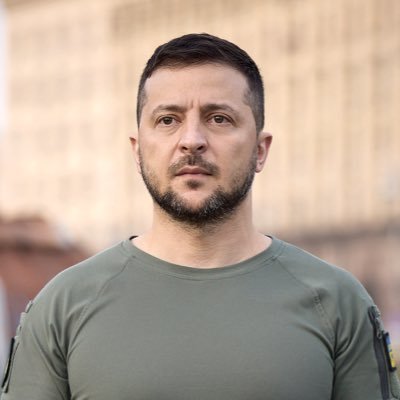
Grateful to the Security Service of Ukraine, all units of Ukraine’s Defense Forces involved, Ukraine’s Minister of Defense, the Commander-in-Chief of the Armed Forces of Ukraine and the General Staff, and all our weapons manufacturers for an unprecedented operation in response to Russian strikes on our infrastructure.
Today, everyone can see the consequences for the main military crossing from Russian territory into our Ukrainian Crimea. This is the result of the seventh stage of an operation carried out over several weeks, developed and coordinated by the Security Service of Ukraine together with the General Staff of the Armed Forces of Ukraine. Our warriors gradually destroyed air defense systems, radars, electronic warfare equipment, and other designated targets on the way to the final objective. For this, they used “Dovbush,” “Vendetta,” “Da Vinci,” “Sichen,” “Mich-2000,” “Ruta,” “Palianytsia,” “An-197,” “FP-1,” “FP-5 Flamingo,” and “R-360 Neptune.”
Today, at the key stage, the “Palianytsia” drones performed exceptionally well, striking the road section of the bridge, while “Neptune” missiles, “Ruta” drones, and FP-5 drones struck the railway section. Using “Flamingo,” our warriors carried out a precision-guided strike – and the communications uplink worked flawlessly until the very last seconds.
We have repeatedly offered Russia steps toward de-escalation – and every proposal has been met with loud rejection. Russia strikes our infrastructure every day, including bridges in Zaporizhzhia, Dnipro, Kyiv, and the Odesa region. We are restoring our infrastructure. But we are also reminding Russia that war will always return to where it began. Ukraine’s defensive capabilities are strong and will remain so, and we will never leave terror against our cities and people unanswered.
I thank the true warriors of the Security Service of Ukraine, all our Defense Forces, our intelligence agencies, and EVERY manufacturer of weapons effectively used to defend Ukraine, Ukrainians, and our national interests. Glory to Ukraine!