

Beyond IP lookup. Know more about every connection. IPlogs identifies VPNs, proxies, Tor and datacenter IPs for developers and businesses.
California, USA
Joined November 2026
- Tweets32
- Following3
- Followers3
- Likes1






Satellite internet and in-flight wifi kept looking like proxies to us.
The link uses TCP accelerators that split the connection, so timing checks say "proxy".
Those networks now return is_satellite: true and we skip timing checks on them. real users, not tunnels.

1
Paste a raw nginx log into iplogs.com/bulk
It pulls out every IPv4 and IPv6, skips private ranges, and checks up to 1,000 with live results.
Good for "who's been hammering my login page" moments.

2
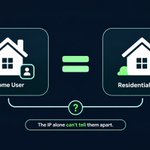
False positive we didn't see coming: home routers.
Lots of routers run their own VPN server so people can reach their home network. probe that IP and it answers like a VPN.
But the person browsing from that line isn't on a VPN. so that now reads "suspicious", not "VPN".
9


curl iplogs.com
checks your own IP and prints JSON: verdict, ASN, and whether it's a VPN, proxy, Tor, or hosting.
curl iplogs.com/8.8.8.8 for any other address.
#DevTools #API #Security

