

I'm ur jazz teacher & jazz artist! I can speak 🇺🇸🇰🇷🇯🇵🇨🇳
Joined March 2025
- Tweets946
- Following78
- Followers612
- Likes9K



Pinned Tweet
「枯葉」を弾いてみました!
今日はF7やD7などのドミナントコード上で、アッパー・ストラクチャー・トライアドやオルタード・スケールを使ってテンションノートを取り入れることに集中しました。マイナー7thコードでも、mM7やm6に少し変化させながら、コード進行やソロが単調にならないようにしてみました。
それから、3度の音から始めてダイアトニック・スケールに沿って下降するモチーフも使ってみました。例えばCm7上でE♭ → D → C → B♭ → Aという感じですね。
来年2月からソウルで一人暮らしを始めるので、ジャズバーやライブハウスなどで積極的にライブをやっていく予定です。
正直ちょっとビビってますが、それでも思い切って挑戦してみます!🎵
I played "Autumn Leaves"!
Today, I focused on using tension notes through upper-structure triads and altered scales over dominant chords like F7 and D7. I also experimented with changing minor 7th chords into m(maj7) or m6 chords to keep the changes and my solo from getting boring.
I also used a motif that starts on the 3rd and descends through the diatonic scale. For example, E♭ → D → C → B♭ → A over Cm7.
I'll be living on my own in Seoul starting next February, so I'm planning to play live gigs at jazz bars and other venues pretty often.
Not gonna lie, I'm a little nervous, but I'm going for it anyway! 🎵
1
6
325
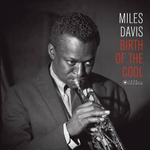
Miles Davis – Birth of the Cool (1957)
Here's "Birth of the Cool," an album that marked a turning point in the history of cool jazz.
In the mid-to-late 1940s, as bebop was gradually fading, a 21-year-old Miles Davis formed a nine-piece ensemble called a nonet in a basement somewhere in Manhattan, New York, alongside jazz arrangers with strong modernist influences, including Gil Evans and Lee Konitz.
They first introduced what would become "Birth of the Cool" at the Royal Roost jazz club in New York in 1948. The tracks recorded between 1949 and 1950 were later compiled and released as an album in February 1957.
The fourth track on Side One, "Venus de Milo," really left an impression on me. Listening to Miles's trumpet solo weaving between B♭ major and G♭ major, accompanied by the gentle, steady flow of the drums and bass, makes me feel like I've traveled back to New York in the 1950s.
This groundbreaking step eventually paved the way for his 1959 masterpiece, "Kind of Blue"!
That's another reason why I think this album is absolutely worth listening to.

Hank Mobley – Soul Station (1960)
This is a hard bop album recorded by Hank Mobley with Wynton Kelly, Paul Chambers, and Art Blakey. Four of the six tracks are Mobley's own compositions.
I love how each tune has its own rhythmic character. The switch from a Latin feel to swing on "Split Feelin's" is especially fun to hear!
My favorite track is still "Soul Station." Over the blues changes moving from E♭7 to A♭7, Mobley builds his solo with short licks and carefully placed pauses. I'd love to transcribe some of that phrasing and work it into my own playing!
ハンク・モブレーがウィントン・ケリー、ポール・チェンバース、アート・ブレイキーと録音したハード・バップのアルバムです。全6曲のうち4曲がモブレーのオリジナルなんですよね。
曲ごとにリズムの表情が違うところが好きです。特に「スプリット・フィーリンズ」でラテン風のリズムからスウィングに切り替わる瞬間が面白いですね!
一番好きなのは、やっぱり「ソウル・ステーション」です。E♭7からA♭7へ移るブルース進行の上で、モブレーは短いリックの間に休符を入れながらソロを展開していきます。僕もこんなフレージングを耳コピして、自分の演奏に取り入れてみたいです!

I played some Bb Blues!
For the first 12 bars, I played the theme using a single motif built from five notes of the Bb blues scale: F, G, Bb, C, and Db. Then, in my solo, I expanded on that motif by developing variations of it into different licks and phrases. I also used enclosures with octaves and quartal voicings to move through the chord changes. This time, I made the motif really obvious on purpose so you could clearly hear it.
I know my solo still sounds a little predictable, even to my own ears. But I'll keep improving by transcribing tunes, practicing, jamming, and playing gigs!
B♭ブルースを弾いてみました!
最初の12小節では、B♭ブルース・スケールのF、G、B♭、C、D♭の5音で作った一つのモチーフを使ってテーマを弾き、その後のソロでは、そのモチーフを変形させたリックやフレーズへと発展させてみました。オクターブやクォータル・ヴォイシングでは、エンクロージャーを活用してコード進行をつなげています。今回は特に、モチーフがはっきり聴こえるように、あえて分かりやすく弾いてみました。
自分で聴いていても、まだ少しありきたりなソロだということは分かっています。それでも、曲の耳コピや練習、ジャムセッション、ライブを通して、もっと腕を磨いていきたいと思います!
7
342
Chet Baker – Chet Baker Sings (1956)
This is a cool jazz album featuring Chet Baker's first vocal recordings, after previously focusing solely on instrumental performances. It's filled almost entirely with jazz standards like "But Not for Me" and "My Funny Valentine."
"I Fall in Love Too Easily," on Side Two, is one of my top five favorite jazz vocal tunes.
The trumpet solo that follows his vocals is absolutely gorgeous, but what I love most is his signature lick that climbs up from G, the 11th of the Dm7♭5 chord. I actually use that lick quite often when I play jazz ballads!
You really should listen to this album through a good pair of speakers or on a record player. It makes your whole house feel like a jazz bar!

I played the bossa nova tune "Blue Bossa"!
I tried building a solo around three motifs, repeating variations with slight changes to the notes and rhythms. I took inspiration from Horace Silver's "Nica's Dream" and kept the motifs and solo phrases around 1–2 bars long. For example, I used descending note patterns like D → C → G over Cm7 and C → B♭ → F over Fm7.
It's been about three weeks since I last played Latin jazz. I think it'll take another two weeks or so to get back to where I was. 😅
But I'm going to keep playing, posting videos, and getting feedback! I know that if I keep at it, I'll eventually get to the level I'm aiming for.
ボサノヴァの曲「Blue Bossa」を弾いてみました!
今日は3つのモチーフを作って、音やリズムを少し変えたバリエーションを繰り返す形でソロを組み立ててみました。モチーフとソロのフレーズは、ホレス・シルヴァーの「ニカズ・ドリーム」を参考にして、1〜2小節の長さにしました。例えば、Cm7ではD → C → G、Fm7ではC → B♭ → Fというように、音が下降するパターンを使っています。
ラテンジャズを弾くのは約3週間ぶりです。以前の演奏レベルに戻るには、あと2週間くらいかかりそうですね。😅
それでも、これからも弾いて、動画を投稿して、フィードバックをもらうことを続けていきます!コツコツ続けていれば、いつの間にか自分の目指すレベルに到達できると思うので!
John Coltrane – A Love Supreme (1965)
A four-part modal jazz suite that reflects John Coltrane's spiritual beliefs.
The repeating bass line, McCoy Tyner's powerful piano voicings, and Elvin Jones's intricate drumming all come together. Listening to the whole album, it feels like the four musicians are telling one long story.
My favorite track is the opening movement, "Acknowledgement."
Coltrane takes a four-note motif, F–A♭–F–B♭, develops it using the F minor pentatonic scale, and moves it through all 12 keys. Who knew you could do so much with just four notes?
I especially love how the sax solo builds up before leading into the chant of "A Love Supreme." Listening to it feels less like watching a jazz performance and more like witnessing some kind of ritual.

Today's solo practice tune is "There Will Never Be Another You"!
I love using block chords when I improvise, so for this solo, I tried out a technique often used by Wynton Kelly and Oscar Peterson: rootless comping with my left hand and octave chords with my right.
I'll be back tomorrow with a bossa nova solo!
今日のソロ練習曲は「There Will Never Be Another You」です!
僕はアドリブをするときにブロックコードを使うのが好きです。なので今回のソロでは、ウィントン・ケリーやオスカー・ピーターソンがよく使っていた、左手のルートレス・コンピングと右手のオクターブ・コードを組み合わせる奏法を試してみました。
明日はボサノヴァのソロを持ってきます!
8
283
上原ひろみ – BLUE GIANT (Original Motion Picture Soundtrack) (2023)
日本ジャズ界の神とも言える上原ひろみさんが手がけた、劇場版アニメ『BLUE GIANT』のオリジナル・サウンドトラックです!
僕は『BLUE GIANT』を映画館で3回観ました。最初はジャズを題材にしたアニメそのものに惹かれたんですが、2回目からは作中のジャズを聴くために映画館へ足を運びました。
このアルバムは全29曲で構成されていますが、やっぱり一番好きなのはタイトル曲の「FIRST NOTE」です。
7/4拍子のジャズって、僕がこの7年間で聴いたり、弾いたり、ライブで演奏したりしてきたジャズの曲の中でも、ほとんど出会ったことがないんですよね。あ、そういえば「キャラバン」を7/4拍子で演奏している動画はYouTubeで観たことがあります。ぜひCharming Joさんを検索してみてください!
何より、この曲を輝かせているのは、1分50秒あたりでテナーサックスがソロを締めくくる際に、ピアノがEとF♯のトリルでその流れを引き継ぐ部分だと思います。そして、その後の穏やかなドラムのビートに乗って、転がるように展開していくピアノソロが本当にたまりません!

4
358
Jayde is back with some Jazz Blues in C!
It's been about four days since I got back to playing piano, and man, it's not easy.
Just like last time, I tried building my solo around my favorite Red Garland style, mixing in a bit of Oscar Peterson's take on "C Jam Blues." I'm still struggling to work altered scales, whole-tone scales, and upper-structure triads into my solos over dominant chords. 😅
The way I practice is to pick a tune, either transcribe it or find the sheet music, and work through the whole thing. Along the way, I try to lift as many useful solo lines and motifs as possible, then practice them in all 12 keys. That's how I've been working on blues, swing, and Latin jazz.
How do you guys practice your solos?
Cジャズ・ブルースで戻ってきたジェイドです!
ピアノを再開してから4日くらい経ったと思いますが、なかなか大変ですね。
前回と同じく、大好きなレッド・ガーランドのスタイルに、オスカー・ピーターソンの「Cジャム・ブルース」の要素を少し混ぜてソロを組み立ててみました。ドミナントコード上でオルタード・スケールやホールトーン・スケール、アッパー・ストラクチャー・トライアドなどを使いこなすのは、まだまだ難しいです😅
僕の練習方法は、まず1曲決めて耳コピするか楽譜を探し、その曲全体を練習しながら、使えそうなソロ・フレーズやモチーフをできるだけたくさんコピーして、全12キーで練習するというものです。ブルース、スウィング、ラテンジャズはこんな感じで練習しています。
皆さんは普段、どんな方法にソロの練習していますか?
10
339
The Oscar Peterson Trio – The Trio: Live at Chicago (1961)
This is a live album recorded by the Oscar Peterson Trio at the London House jazz club in Chicago in 1961. Just one of the many gems in this trio's discography!
You absolutely have to check out Oscar's take on "Woody 'n' You," composed by Dizzy Gillespie. If you want to learn how to play those insanely fast, blazing solos, this tune is hard to beat! 😎
オスカー・ピーターソン・トリオが1961年にシカゴのジャズクラブ「ロンドン・ハウス(London House)」で録音したライヴアルバムです。このトリオが残した数々の名盤のうちの一枚ですね!
ディジー・ガレスピー(Dizzy Gillespie)が作曲した「ウディン・ユー(Woody 'n' You)」のオスカーによる演奏は、ぜひ聴いてみてください。猛烈なスピードで駆け抜けるようなソロを身につけたいなら、この曲ほどぴったりなものはありませんよ!😎

31
438
Red Garland – A Garland of Red (1957)
This is a mainstream jazz album by the Red Garland Trio. I love the swinging feel and Garland's block chords!
"A Foggy Day" is especially right up my alley. The block chord intro, flowing single-note solo, and Art Taylor's brushwork are all so good! Lately, I've been using this tune to get back into practicing bluesy jazz solos.
レッド・ガーランド・トリオによるメインストリーム・ジャズのアルバムです。軽快なスウィング感とブロック・コードがいいですね!
特に「ア・フォギー・デイ(A Foggy Day)」は僕の好みにぴったりです。ブロック・コードのイントロから流れるようなシングルノートのソロ、そしてアート・テイラー(Art Taylor)のブラシワークまで、本当に魅力的ですね!最近はこの曲を使って、ブルージーなジャズソロをまた練習しています。

Scott Hamilton – Tenorshoes (1980)
This is a mainstream jazz album that blends swing and ballads beautifully. Scott Hamilton's warm tenor sax tone and Dave McKenna's piano complement each other so well.
My favorite track is the opener, "I Should Care." I especially love Hamilton's relaxed melodic phrasing on the sax and the gentle piano accompaniment underneath. It's the kind of tune I'd love to listen to at night with a cup of coffee!
このアルバムは、スウィングとバラードが絶妙に融合したメインストリーム・ジャズの作品です。スコット・ハミルトンの温かみのあるテナーサックスと、デイヴ・マッケンナ(Dave McKenna)のピアノが本当によく合っていますね。
僕が一番好きなのは、1曲目の「アイ・シュッド・ケア(I Should Care)」です。ゆったりとメロディを奏でるサックスのフレージングと、それを支える柔らかなピアノの伴奏がとても魅力的でした。夜にコーヒーを飲みながら聴きたくなる一曲です!

1
11
266
Ella Fitzgerald & Louis Armstrong – Porgy and Bess (1959)
This is my all-time favorite jazz vocal album!
Originally composed by George Gershwin as an opera, Porgy and Bess has often been reinterpreted and performed in jazz arrangements, and this album is one of the finest examples.
"Summertime" was the track that really hit my sweet spot. The way it opens with Louis' trumpet solo and then flows into Ella and Louis' vocals makes me feel like I'm experiencing jazz and classical opera at the same time!
ジャズ・ヴォーカルのアルバムの中では、これが一番好きです!
もともとはジョージ・ガーシュウィン(George Gershwin)がオペラとして作曲した作品ですが、ジャズにアレンジされて演奏されることも多く、その代表的なアルバムの一つがまさにこれです。
特に「サマータイム(Summertime)」は、僕の好みにドンピシャな曲でした。ルイのトランペットソロから始まり、エラとルイのヴォーカルへとつながっていく流れからは、ジャズとクラシックのオペラを同時に味わうことができました!

I played "But Not For Me" in the style of Red Garland!
I started off by playing the melody with some light comping, then built my solo around three motifs using notes from the E♭ major scale in my right hand, with left-hand comping underneath. Somewhere in the middle, I switched to playing with both hands together for about 12 bars, using octaves and quartal voicings to keep things flowing.
It's only my second day back, so I'm still not quite happy with my solo, but I'm feeling good! I'd give it a 5.2 out of 10.
Sorry about the ringtone near the end! My mom's phone decided to join the jam session 😂
「バット・ノット・フォー・ミー(But Not For Me)」をレッド・ガーランド(Red Garland)風に弾いてみました!
最初はメロディとコンピングを軽く弾いて、その後は左手でコンピングをしながら、右手ではE♭メジャースケールの音を使った3つのモチーフを中心にソロを組み立てました。途中の12小節ほどは、オクターブとクォータル・ヴォイシングを使って両手で同時に弾くスタイルに切り替え、流れをつなげてみました。
演奏を再開してまだ2日目なので、自分のソロにはまだあまり満足していませんが、気分はいいですね!自己採点は10点満点中5.2点です。
最後のほうに着信音が入っちゃってすみません!母のスマホまでジャムセッションに参加しちゃいました😂
1
14
475
Fats Waller And His Rhythm – Ain't Misbehavin' (1956)
This album is a collection of some of the best-known recordings by Fats Waller, the god of stride piano, recorded between 1929 and 1941.
If you listen to the whole album, you can really hear how Fats Waller's stride style evolved over the years. For example, on "Honeysuckle Rose," recorded in 1941, his sparkling tone and incredible control of dynamics really show off his piano skills, despite how old the recording is. On the other hand, on "Ain't Misbehavin'," recorded in 1929, his solo flows over a bouncy stride rhythm, with little embellishments added to the melody.
I've been practicing "Ain't Misbehavin'" lately, and it's pretty challenging for me because I have to stretch for tenths with my left hand. But whenever I play it, I can't help but groove along with the rhythm! 😎

It's been a really long time, but I'm back! Today I played F Jazz Blues, the jazz piano staple!
Even my right-hand solos that used to come pretty easily and my left-hand comping that I could practically play with my eyes closed aren't going so well anymore, but it's still a lot of fun!
I came up with a short motif and tried building variations around it.
Starting today, I'm going to get back to playing every day and keep working on improving my skills!
Have a great day, everyone!
本当に久しぶりに戻ってきました!今日はジャズピアノの基本中の基本、「Fブルース(F Blues)」を弾いてみました!
前は普通に弾けていた右手のソロも、目をつぶっていても弾けた左手のコンピングも、なかなかうまくいかないんですが、それでもやっぱり楽しいですね!
短いモチーフを一つ作って、そこからバリエーションを展開する感じで弾いてみました。
今日からまた毎日ピアノを弾いて、少しずつ上達していこうと思います!
皆さん、良い一日を過ごしてください!
1
12
250
Bill Evans Trio - Portrait in Jazz (1960)
This is Bill Evans' fifth studio album, featuring a classic piano, bass, and drums trio.
It's got familiar tunes like the Disney classic "Someday My Prince Will Come," jazz standards like "Autumn Leaves" and "Blue in Green," and even one of Bill Evans' own compositions, "Peri's Scope"!
I think "Peri's Scope" is my favorite tune in this album. It's in C major, which gives it a bright groove, and it's a tune I often come back to when I'm studying Bill Evans' style. And his bouncy left-hand comping and right-hand solos that flow like water really bring me a sense of peace when I'm swamped with work.

Bill Evans & Jim Hall - Undercurrent (1962)
ビル・エヴァンスのピアノとジム・ホールのギター、たった2人だけで演奏されたクール・ジャズのアルバムです。
2人ともものすごく繊細な演奏を大切にしているので、これはまさに「繊細さの極み」と言っても過言じゃないと思います。一音一音を本当に大切にしながら弾いているんですよね。
「マイ・ファニー・ヴァレンタイン」はぜひ聴いてみてください。E♭メジャーで展開される2人のソロは、まさに傑作です!
A cool jazz album featuring just two musicians: Bill Evans on piano and Jim Hall on guitar.
Both musicians are incredibly focused on the little details, so I don't think it's an exaggeration to call this the ultimate in musical finesse. You can really hear how much care they put into every single note.
You definitely have to check out "My Funny Valentine." The way their solos flow together in Eb major is just a masterpiece!

14
332
Sinsuke Fujieda Group - Fukushima (2025)
去年の年末に、自分のジャズのプレイリストに入れておいたアルバムです。
去年の9月末、日本の群馬県にある群馬大学(Gunma University)に交換留学して、半年くらい暮らしていました。
人生で初めて「ブルーノート・プレイス(BLUE NOTE PLACE)」でライブを観たくて、平日にもかかわらず、10月29日(水)の公演を勢いで予約して、渋谷まで行ったんですよね!
ジャズ・ミュージシャンをやっている日本人の友達2人と一緒にディナーコースを食べながら、ライブで聴いたのがこの曲です!
実は、このライブがきっかけで、僕もジャズ・アーティスト(ミュージシャン)として本気で活動していこうと決心し、実際に動き始めたんですよね。
大学の中間試験が21日に終わるので、その日からYouTubeチャンネルも本格的に再始動します!

