

Just a boy from a common wealth where wealth ain't common to by but we BROKE the CHAIN🥚🔥⚰️😈💀 SMtillipassout. 4LYFE is our lyfe 👐
Joined June 2023
- Tweets3.2K
- Following538
- Followers166
- Likes45.4K



GOD IS HERE retweeted

Music was a gift 🎁
Talent is a gift
But it’s only in Ghana that we see these gifts turn into competitions..
How many times will you gather to fight one man when you can’t even go for a peace keeping in congo ..
“Failures” is what I call them
Forgive them FATHER🙏🏽 – at Accra, Ghana

GOD IS HERE retweeted

This is just excellence.. one of the best rap verses I have ever heard.. up there with @TumiMolekane verse at Sway!!! Take a bow king @sarkodie .. wow wow wow

Hip-Hop is a global phenomenon & we are excited this year for our new #BestInternationalFlow category! @kalash972 brought the Caribbean vibes in his bars & @Sarkodie came through & shut it all down! Catch the show tonight to see who wins 👑 #HipHopAwards


GOD IS HERE retweeted

Guess I ain’t returning back to Ghana ! No place like Home “AFRICA” … Kenya adopt me already !!! 😁 #TheAfricanDiaries
GOD IS HERE retweeted

👨🏾🍳🇬🇭: Exhibit A.
You see the way you’re smiling foolishly?
✋🏾🙂↕️✋🏾

👨🏾🍳🇬🇭: Some of y’all didn’t even want to associate with Azonto until it went global.
You embraced “Nigerian-like” sounds, but when Azonto became a “Ghana to the world” moment, suddenly everyone wanted to claim it.
And let’s be honest: by many of today’s standards, Azonto might not have been considered “good” music. It may not have stood a chance with some of y’all through the lens you use now.
Yet it was unmistakably Ghanaian. It gave us a sound, movement, and cultural identity the world could immediately recognize.
3/5


GOD IS HERE retweeted

If no be that Mohbad issue with Naira marley, Zinoleesky for Dey same level with Asake and Rema.
No play with that boy talent o😂😂
GOD IS HERE retweeted

I see it. I sense it. Gives me chills….immense excitement. A bright blessed prosperous GHANA. Have faith in this republic. #GhanaShallProsper🇬🇭
GOD IS HERE retweeted

You people dey talk say @_madeinghana_ make foreigner dey disrespect Stonebwoy, this your stonebwoy on an international platform…. Mmoa

GOD IS HERE retweeted

This is educational, but most of us don’t want to understand and embrace ourselves despite our weather; we just see ourselves through the colonizers’ eyes.
GOD IS HERE retweeted
Colonial schooling trained people to see European standards as the default and their own culture as something to overcome. Calling local languages ‘vernacular’ was part of the process. Fela Kuti was right all along.
GOD IS HERE retweeted

One hit song ,, 10 years in the making .. God is the when

“I didn’t know we were going to collaborate on a song.” 👀
@mreazi on how @moliymusic first hit him up in 2016.
Catch up on yesterday’s conversation with @KojoManuel on #StarrDrive.
GOD IS HERE retweeted

Are those who collapsed Metro Mass the ones going to operate Ghana Airways?
- Saddick Adams
In other words, how have we effectively managed Metro Mass and STC


GOD IS HERE retweeted

Triumph, Shatta Fest26.🇬🇭🌊🐅 #whatisthat
🎥: @kaydee_blaq
GOD IS HERE retweeted
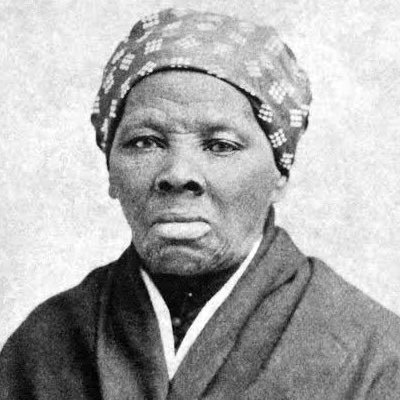
100 years ago, thirteen black men put together their savings and founded Safe Bus Company, making it the largest black owned bus company at that time.
It was formed in Winston-Salem to serve the black neighborhoods due to segregation and operated till 1972.
Thirteen Black men pooled their life savings to purchase $100,000 in stock, forming Safe Bus Co., Inc. on May 26, 1926. The company quickly grew into the largest African American–owned bus company in the nation.
Safe Bus expanded rapidly and was once described as the largest Black-owned transportation company in the world. By 1955, the company grossed $825,000. At its peak, it carried approximately 15,000 passengers per day, earned $18,000 weekly, and employed 75 people.
Early fares began at five cents and increased as the company expanded. The fleet grew from 35 to 42 buses, serving roughly 20 percent of the city. Black bus drivers earned between $1.60 and $2.50 per hour—wages that exceeded those of many schoolteachers at the time.
By 1968, Safe Bus provided transportation across the entire city. However, following integration, the company experienced a sharp decline in ridership. Changing social attitudes and increased competition led to significant financial losses.
In 1972, stockholders voted to sell Safe Bus to the city. The Winston-Salem Transit Authority then assumed responsibility for public transportation, marking the end of one of the most successful Black-owned transit companies in American history.
