

Editor of the Migration Information Source @MigrationPolicy. SHELTER FROM THE STORM: HOW CLIMATE CHANGE IS CREATING A NEW ERA OF MIGRATION out now
- Tweets1.6K
- Following2.6K
- Followers3.1K
- Likes7.9K



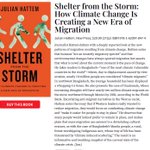




ALT Shelter from the Storm: How Climate Change Is Creating a New Era of Migration Julian Hattem. New Press, $29.99 (272p) ISBN 978-1-62097-847-4 Journalist Hattem debuts with a deeply reported look at the new patterns of migration resulting from climate change. Hattem notes that humans “are an innately migratory species” and that environmental changes have always spurred migration but asserts that what is novel about the current moment is the pace of change. He takes readers to Bangladesh—“one of the most climate vulnerable countries in the world”—where, due to displacement caused by river erosion, nearly 10 million people are considered “climate migrants.” In northwest Bangladesh, the average household has been displaced a whopping 4.6 times. He also presents the case of Guatemala, where increasing droughts will have nearly two million climate migrants on the move northward through Mexico by 2050, according to the World Bank. Excoriating anti-migrant narratives in the West as racist, Hatt


ALT In large part because of these remittances, migration has long been one of the most effective strategies for lifting people out of poverty — not just migrants themselves, but also their families and communities in their homeland. As the world reckons with climate change that will particularly hurt poor, rural communities in places like Guatemala, migration is not simply a way to escape impending climate disaster but also a strategy to defend against it. Making it easier for people to leave their home can not only help them flee the most dire disasters but also help them earn money to invest in adaptation and resilience strategies. In fact, some economists say governments should actively spend money to encourage people to migrate, at least to urban areas within their own countries, to boost growth. Subsidizing transportation to cities and helping people find jobs or enroll in new training would mitigate the negative impacts of climate change in rural areas, the thinking goes, and help


