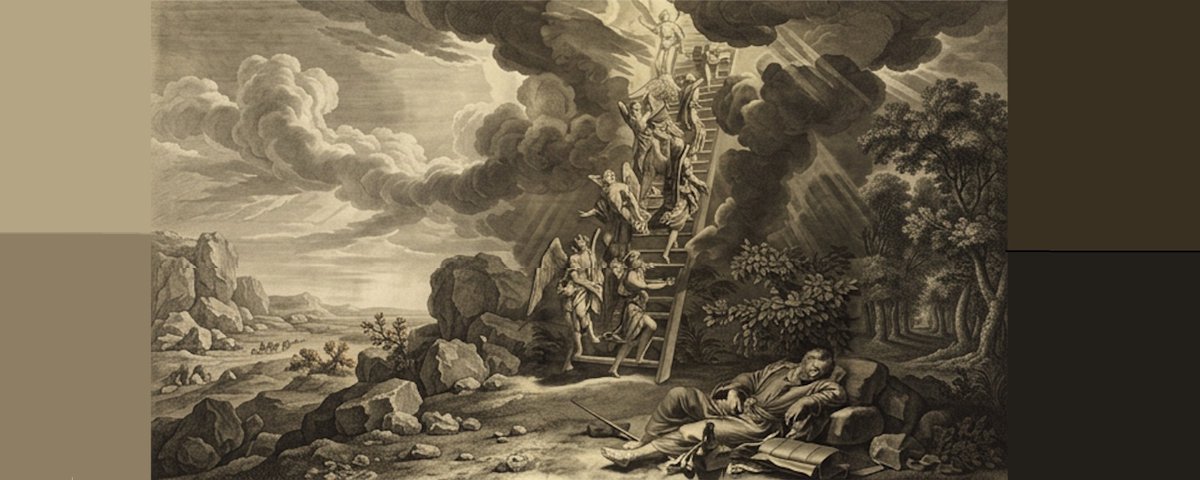
I overheard a Protestant arguing with a Greek Orthodox debating a recently-converted Jew about praying for the dead or to the dead.
Reprint of a column from May 2003. Please note this was written in my Atheist days, so nothing but secular reasoning is here.
The ethical system of the stoics contains no great novelty: like every other ancient philosophy, they praised prudence, fortitude, temperance, and fair-mindedness. The stoic asserts that man has natur…
I found a quote from the Jewish Encyclopedia which astonished me.
I have always wondered about time travel stories that take place on Earth. It seems unfair to the other civilized planets which may be out there.
Someone was unwise enough to ask me about opening lines in a work.
I came across this tidbit of distilled skepticism on social media, uttered by a freethinker.
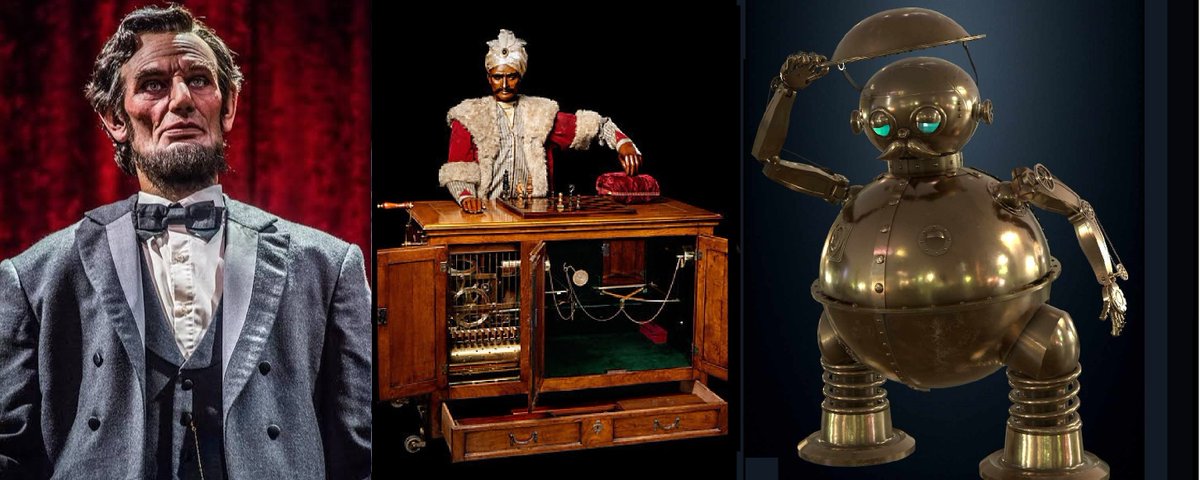
I have had the misfortune to overhear two amateur philosophers arguing about whether or not machine intelligence can be proven to be self-aware.
In a recent interview, one of the questions asked me to name the most difficult part of the creative writing process, and to name the easiest part.
All arguments attempting to ground ethics in nature or human nature are perfectly unreasonable, because such arguments presume an answer to the question in dispute.
When I was an atheist, my position was what I will call Newtonian, by which I mean "I have not been able to discover the cause of those properties, and therefore I frame no hypothesis."
Friendly atheists, by which I mean men who for rational and unemotional reasons, arguing in good faith, do not believe in god, are few, and in the modern age, growing fewer.