

徒歩。 最近は肖像、絵画、演劇、稽古を素描的に観察する。 観察における内在的変化、時間的変化。 遅筆。
Joined March 2017
- Tweets26.2K
- Following260
- Followers319
- Likes74.7K







明 源 retweeted

ONEチャトリ刑務所から脱獄チャトリ獄長と一緒は笑いましたw
UFC日本大会と平本蓮UFCの噂から推測する契約形態の話 選手にベストの契約とは何か→フリーエージェント|青木真也 shinya aoki @a_ok_i note.com/a_ok_i/n/n3d4786606…


明 源 retweeted
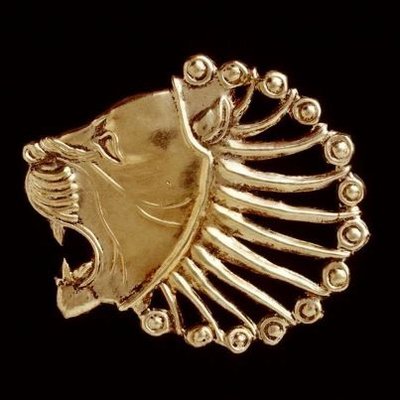
A 19th-century medical illustration depicts lithotrity (lithotripsy), a procedure developed by French physician Jean Civiale in the early 1820s to crush bladder stones without cutting open the body...
Civiale used a specialized metal instrument (a lithotriteur or trilabe) with grasping prongs and an internal drill or crushing mechanism inserted through the urethra into the bladder. Once the stone was held in place, the surgeon bored into or crushed it into smaller pieces so they could be passed naturally. Performed before general anesthesia was common, it was uncomfortable for the patient but had a much lower mortality rate than open bladder surgery (lithotomy) of the era.
. . .
On January 13, 1824, French surgeon Jean Civiale performed one of the earliest successful minimally invasive surgical procedures in Paris. His patient, a 32-year-old man named Monsieur Gentil, had suffered from a bladder stone since childhood.
Before modern anesthesia, removing bladder stones typically required a dangerous and extremely painful operation involving a large incision. Civiale instead inserted a metal instrument through the urethra, using tiny claws to grasp the stone and a drill to break it apart.
The first session lasted approximately 40 minutes. After two additional sessions, the stone was completely eliminated. Civiale's technique, known as lithotrity, revolutionized urology and helped establish the foundations of modern minimally invasive surgery.
#drthehistories


明 源 retweeted

癌患者から搾り取った高額医療費を、こんな連中にはらってる政府
狂気だ

政府広報起用のユーチューバーch
「抗がん剤の効果は2%以下」を上野厚労相が否定
hodanren.doc-net.or.jp/info/…


明 源 retweeted

Ayer le dieron una buena paliza a mi cámara de fototrampeo, me la encontré abierta y llena de barro, grabó a los culpables, vean.
Buenas.


