

Maternal Immunisation Readiness Network in Africa & Asia Advancing research across eight countries to strengthen maternal immunisation for healthier babies.
Joined October 2026
- Tweets39
- Following3
- Followers18
- Likes1




Bringing antenatal care and routine immunisation under one department can create opportunities to integrate maternal immunisation, but is that enough to ensure readiness?
In Burkina Faso, the same health workers deliver both services. Dr Bérenger Kaboré, MIRNA’s Co-Principal Investigator leading the Situational Analysis Work Package in the country, explains why institutional structures alone do not determine a country's readiness to introduce maternal vaccines.
#MIRNA #MaternalImmunisation #VaccineReadiness #BurkinaFaso #HealthSystems
11
Can vaccination during pregnancy help protect babies from serious infections in their first months of life?
Dr Eve Nakabembe explains Uganda’s efforts to advance maternal vaccination against RSV and GBS through research, community engagement and the MIRNA Consortium.
#MIRNA #MaternalImmunisation #RSV #GBS #NewbornHealth #Uganda
9
Prof Hadiza Galadanci, MIRNA lead in Nigeria, highlights the importance of assessing disease burden and health-system readiness, among other considerations, before introducing a maternal vaccine.
Understanding the country's specific needs and preparedness is essential to informing vaccine introduction decisions and building effective maternal immunisation programmes.
#MIRNA #MaternalImmunisation #VaccineIntroduction #HealthSystems #MaternalHealth
21
RSV and pneumonia remain significant threats to child survival in Bangladesh.
Pneumonia accounts for 24% of deaths among children under five, while local evidence shows that RSV is responsible for a considerable proportion of respiratory infections requiring hospitalisation.
Evidence from Bangladesh highlights the importance of strengthening infant protection against severe RSV disease. Two prevention approaches offer opportunities to reduce the burden: maternal RSV vaccination during pregnancy, which allows protective antibodies to pass to the baby before birth, and long-acting monoclonal antibodies administered to infants.
As Bangladesh continues to strengthen its child health and immunisation efforts, understanding the local disease burden and expanding access to effective prevention strategies will be essential to protecting young lives.
Read: mirna.org/knowledge-hub/bang…
#MIRNA #MaternalImmunisation #RSV #Pneumonia #ChildHealth #NewbornHealth #Bangladesh

Funding remains a major barrier to sustaining research in Africa.
Prof Annette Nakimuli, a maternal health researcher from Uganda, highlights how maternal health research often competes with other pressing priorities for limited funding.
According to her, sustained investment is essential to generating evidence, informing policy and advancing better maternal health outcomes.
#MIRNA #MaternalHealth #HealthResearch #ResearchFunding #MaternalImmunisation

11
15 years of progress against childhood pneumonia!
Join health experts this World Pneumonia Day as they reflect on Kenya's journey with the pneumococcal conjugate vaccine (PCV), its impact and the work ahead to protect more children.
Register for the webinar NOW: us06web.zoom.us/meeting/regi…
#WorldPneumoniaDay #PCV #ChildHealth #Immunisation #KenyaHealth #MIRNA
@VaccinesKenya
22
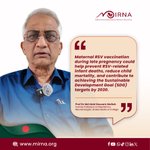
Maternal RSV vaccination: Protecting newborns begins during pregnancy.
Vaccinating mothers against RSV during late pregnancy could help protect infants from severe illness and prevent RSV-related deaths.
Prof Dr Md Abid Hossain Mollah, former Professor of Paediatrics and Neonatologist at Dhaka Medical College in Bangladesh, notes that maternal RSV vaccination can reduce child mortality and advance progress towards the Sustainable Development Goals (SDGs) by 2030.
#MIRNA #MaternalImmunisation #RSV #NewbornHealth #ChildHealth #Bangladesh

7
Bangladesh has made significant progress in childhood immunisation over the past five decades, yet pneumonia remains the leading cause of death among children under five.
Could maternal RSV vaccination help close this gap?
Prof Dr Md Abid Hossain Mollah, Professor and Head of the Department of Neonatology and Paediatrics at BIRDEM General Hospital and Ibrahim Medical College in Dhaka, explains why he advocates for RSV vaccination during pregnancy to help protect newborns against severe respiratory illness.
His perspective highlights the importance of maternal immunisation in strengthening newborn protection and reducing preventable child deaths.
#MIRNA #MaternalImmunisation #RSV #NewbornHealth #ChildHealth #Bangladesh
19
MIRNA retweeted

15 years of the pneumococcal vaccine has meant a generation of Kenyan children better protected from pneumonia. Join our experts to hear how PCV has protected a generation, and how we can build on that progress.
Register TODAY us06web.zoom.us/meeting/regi…
#VaccinateToProtect
#VaccinesSaveLives
#WorldPneumoniaDay
@mirnanetwork
@PATHtweets
@KEMRI_Wellcome

What will it take for Burkina Faso to introduce new maternal vaccines against RSV and Group B Streptococcus (GBS)?
Dr Serge Ouoba of the Clinical Research Unit of Nanoro (CRUN) shares insights from a nationwide readiness assessment, examining health-system capacity, financing, policy, disease burden and community perceptions.
Discover what the research reveals about preparing for maternal vaccine introduction.
#MIRNA #MaternalImmunisation #RSV
1
49
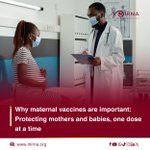
Vaccination during pregnancy is an important way to protect both mothers and their babies against serious infectious diseases.
Maternal vaccination helps protect pregnant women from infections that can cause severe illness and complications. It can also protect newborns during their first months of life, when their immune systems are still developing and they may be too young to receive certain vaccines.
Through the transfer of protective antibodies across the placenta, a vaccinated mother can pass immunity to her baby before birth, providing an important layer of protection during this vulnerable period.
Vaccines against tetanus, influenza, COVID-19, pertussis and respiratory syncytial virus (RSV) demonstrate the role maternal immunisation can play in improving maternal and newborn health.
Investing in maternal immunisation means giving mothers and their babies a better chance at a healthier start.
At MIRNA, we work with partners across Africa and Asia to strengthen the evidence, policy and health-system readiness needed to advance maternal immunisation.
#MIRNA #MaternalImmunisation #MaternalHealth

Respiratory Syncytial Virus (RSV) is one of the common causes of respiratory infections in young children. While many infections are mild, RSV can lead to severe illness, particularly in infants whose immune systems are still developing.
Knowing how RSV spreads, recognising its symptoms and understanding why babies are vulnerable are important steps towards protecting them.
As we mark RSV Awareness Week, swipe through to learn what parents and caregivers should know about RSV and the role maternal immunisation can play in protecting newborns.
#RSVAwarenessWeek #MIRNA #MaternalImmunisation #RSV #InfantHealth


1
1
31


No baby should die from a preventable infection when protection is available.
Prof Hadiza Galadanci, Professor of Obstetrics and Gynaecology at Bayero University, Nigeria, emphasises the life-saving potential of maternal immunisation in protecting newborns.
She highlights the importance of countries strengthening their readiness for new maternal vaccines, from evidence generation and policy considerations to health-system preparedness and#maternalimmunisation
Watch: youtu.be/uCl-hp56ecA
#MIRNA #MaternalImmunisation

What makes a pregnant woman accept or hesitate to take a new vaccine?
Dr Samuel Afari-Asiedu of the Kintampo Health Research Centre shares four key factors emerging from his team's research in Ghana and explains why listening to mothers, caregivers and community leaders is essential to understanding vaccine demand.
#MIRNA #MaternalImmunisation #VaccineDemand #Ghana
What will it take to introduce maternal RSV vaccination into Kenya's National Immunisation Programme?
Dr Wesley Mugambi, Programme Officer at the National Vaccines and Immunization Program (NVIP), outlined the Kenya National Immunization Technical Advisory Group (KENITAG) recommendation to integrate maternal RSV vaccination into the national programme.
The proposed approach involves administering one dose of the RSVpreF vaccine (Abrysvo®) to eligible pregnant women between 28 and 36 completed weeks of pregnancy.
@sabinvaccine @gavi @VaccinesKenya
#MIRNA #MaternalImmunisation #RSV #NewbornHealth #RSV
14
Dr Grace Kanyi: Most mothers' concerns have been "are the vaccines safe for my baby?" The answer is yes, it is safe. Out of every 100 women, 95% of them have concerns about safety....Healthcare providers need accurate information to ensure that they are equipped to respond to any questions posed by the mothers and their support systems during antenatal clinics.
#RSVAwarenessWeek #Webinar #RSV #MIRNA
7
One dose of the maternal RSV vaccine, administered during the third trimester from 28 weeks of pregnancy, can help protect newborns against severe RSV illness during their first months of life.
Evidence presented by Dr Grace Kanyi during the World RSV Awareness Week webinar highlighted that the vaccine offers 69% efficacy against severe RSV illness through six months of age, with 82% efficacy during the first 90 days.
#RSVAwarenessWeek #Webinar #MIRNA #MaternalImmunisation #RSV #NewbornHealth
8
Global evidence highlights the impact of maternal vaccination in protecting newborns:
🔹 94% reduction in neonatal tetanus deaths since 1988.
🔹 91% effectiveness against whooping cough in infants.
🔹 82% efficacy against severe RSV in infants during their first 90 days of life.
These figures reinforce the importance of vaccination during pregnancy in protecting newborns from serious infections during their most vulnerable months.
#RSVAwarenessWeek #Webinar
#MIRNA #MaternalImmunisation #RSV #NewbornHealth
13