

Software Architect @TEDTalks. Leadership Team @CodeForBoston. #CivicTech [email protected]
Boston, MA
Joined November 2008
- Tweets20.3K
- Following817
- Followers1K
- Likes1.9K



Pinned Tweet
Some followers may have noticed I recently started blogging again (zagaja.com). I felt motivated to do this by the somewhat uncertain future in front of twitter. At this point Facebook and Instagram feel like talking into the void, so might as well have my own void.
Tonight @CodeForBoston is hosting a livestream on voting rights and voting machine technology! Join us now youtube.com/watch?v=T5uYDcXD…
Flying feels like it has gotten worse over time. Not only does it take 45 minutes to board, but everyone crowds the gate because of mandatory gate check (a problem easily solved if they offered a free checked bag). I think 2 of the 10 flights I’ve done this year have left on time
It’s never been easier to build and improve software yet we just keep getting slop lobbed at us. A zillion Roku remote apps on the App Store. AI news sites behind dickovers. Half assed clones of commercial software that fail to move the field forward.
Preach. Something brutal about this era of disjointed feeling products arriving from even the same company. Meta offers 3 different AI systems/clients with 3 different subs (Meta AI, Muse, Muse Code). Each one arrives with its own bugs and quirks. Claude is a product mess.

How much value, human time and effort is getting wasted by us choosing to build the same things all over again, in the comfort of agents convincing us that it’s “genuinely novel” instead of collaborating and building on top of each other. The only antidote to this addictive disease is community: talk to people, see how things work in real orgs, collaborate.
Matt Zagaja retweeted

Turning taste into agent tooling is not solved outside of very basics. Building products in a dark factory or otherwise without painstaking control delivers exactly what everyone else in the world can build. These products are average and worthless.

I found the “Craft” suite of Rust clones of commercial software to be AI slop. Faster, but less functional, and simply cloning all the sins and UI choices of the inspiration does little to move the field forward.
Kicked the tires on Muse Wonder and if you hate Claude speak this is like being handed a glass of ice water in hell. Good work @alexandr_wang
The two biggest annoyances is AI coding iOS apps are the permissions and privacy gymnastics and the fact all the training data refers to the “simulator” which was renamed “device hub” for Xcode 27. Still waiting for some recursive self improvement to fix that.
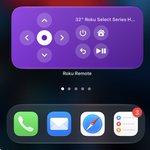
Opus 5.5 made me a better #Roku Remote app in like 90 minutes. Home screen widget. Remembers the IP so you’re not always scanning network to reconnect. No boot graphic and wait. Like this post if you want me to look into sharing on App Store / test flight.

From “anything is possible with AI” to “fuck it let’s just use Office in a web view” has the frontier of AI truly met its match in natively rendering and editing XML?


Matt Zagaja retweeted
Tech is expanding as normal people build apps with agents - for their team at work, friends, family. The last thing they need is Rust. They value simplicity, security, batteries-included frameworks. They can occasionally read an algorithm or calculation to double check. They should pick idiomatic Ruby, batteries-included Rails, and plain SQLite.


The @dhh keynote was kind of disappointing to me. As someone using AI regularly and rarely "handcrafting" the code anymore none of it was news. The fact he is just writing Hey in Rust now is not particularly interesting.
It's pretty clear his focus is on his linux thing now and the well of product improvement ideas for Rails has dried up. This does not mean Rails is irrelevant or dead.
If anyone is interested in dissenting views on the Rust Programming Language, the power of Assembly, and some deeper thoughts on the right level of abstraction this interview with FFMPEG creator Jean-Baptiste Kempf is a must listen: lexfridman.com/ffmpeg
