




Obi retweeted

Eu fiz Medicina na UFRJ por 3 anos. Posso afirmar:
- A UFRJ é sucateada pra cacete, teto caindo, leitos precários, falta absurda de estrutura.
- Ao mesmo tempo, a UFRJ é BIZARRA em estrutura humana, em cérebros, em pessoas MUITO competentes.
Na Medicina, por exemplo, você tem aula com professores insanos, autores renomados, pesquisadores de alto nível, diretores de departamentos médicos inteiros.
No oitavo período (ao menos na minha época), você tinha aula com Pietro Mannarino, um dos maiores ortopedistas do Brasil.
Você tem aula com Giuseppe, da Neurologia, chefe do departamento de Neurologia Pediátrica, escritor, um dos mais gabaritados do Brasil.
E isso não é nada. Mesmo no ciclo básico tu já tem aula com um monte de MONSTRO do conhecimento.
ALÉM DISSO, existe um paradoxo misterioso e até um pouco triste: quando os caras são obrigados a salvar vidas num hospital ridiculamente sucateado, sem fio de sutura, sem ar condicionado, sem leitos, sem matéria prima, eles acabam desenvolvendo umas adaptações absurdas e sendo treinados num ambiente de alto estresse e risco, o que acaba forjando uns profissionais muito inteligentes e preparados.
CLARO que isso não é sempre. Em alguns aspectos, a estrutura é boa. E é óbvio que isso não pode ser romantizado, pois os caras com certeza seriam 1000x melhores se tivessem um hospital estruturado, salas de aula decentes, bibliotecas confortáveis, sistemas de ajuda e auxílio mais eficazes, laboratórios mais modernos, etc etc
Mas estou aqui apenas respondendo a pergunta e falando da realidade concreta da maioria das faculdades federais.
A UFRJ, assim como VÁRIAS universidades federais, continua sendo muito mais braba do que a maioria esmagadora das particulares (mesmo as que têm muita estrutura) por conta da matéria prima HUMANA presente nesses ambientes.

Obi retweeted

Don't Waste Your 10 Minutes: A Guide to Presenting your Research Work at a Conference like a Pro.
After 12 years in the trenches of academia both behind the podium and on the judging panels. I have learned a hard truth: Your research doesn’t speak for itself.
At a conference, you aren't just delivering data; you are telling a story. With a strict 5-to-10-minute window, you cannot be a walking textbook. You must be a strategist.
Here is how to turn a short time slot into a memorable performance.
1. The "Less is More" Rule.
The biggest mistake researchers make is trying to cram 40 pages of a paper into a 10-minute talk. If you rush, the audience tunes out.
Instead Pick one "Hero" finding: What is the single most important thing they should remember?
The 1-Slide-Per-Minute Guide: Aim for 6–8 slides maximum. If a slide doesn't support your main finding, delete it.
2. Master the "Hook."
The first 60 seconds are the most critical. Instead of reading your title and affiliation (which are already on the screen),
- start with the Problem.
- Why does this research matter?
- What gap are you filling?
Connect it to the real world immediately. If the audience understands the "Why," they will lean in for the "How."
3. Design for the Back of the Room
I have sat on many award committees, and nothing loses points faster than unreadable slides.
Avoid "Wall of Text": Use bullet points, not paragraphs.
Visuals over Tables: Replace complex tables with a clean graph. A graph shows a trend; a table requires a magnifying glass.
The "30-Point" Rule: Keep your font size large. If someone in the back row has to squint, you’ve lost them.
4. The "So What?" Conclusion.
Never end your presentation with a slide that just says "Questions?" Use your final minute to hammer home the Impact.
"My research shows that by changing X, we can improve Y by 20%."
Leave that sentence on the screen during the Q&A. It reinforces your value while you answer questions.
5. Delivery and Energy
Panelists look for confidence and clarity.
Don't read your slides: Talk to the audience, not at the screen.
The "Internal Clock": Practice until you can hit 8 minutes consistently. This leaves 2 minutes for a relaxed Q&A, which makes you look organized and respectful of the schedule.
A great presentation isn't a data dump; it’s an invitation to read your paper. If you delight them with a clear, energetic summary, they will seek you out during the coffee break and that is where the real networking begins.
Share your thoughts if you learn anything new.

Obi retweeted

The isolated Awá Guaja people made contact with their Guajajara relatives for the first time. They have been surviving deep inside the forest and no one has ever seen them. Rumors have it that they exist but no one has ever seen them. These Awá Guaja people have never for once come in contact with civilisation. This is the first time they would ever met civilisation in the history of existence.
Obi retweeted

Nigerians, your problem is not that white lady. Your problem is the many Nigerian yeye journalists who instead of questioning Tinubu's gross misgovernance, are enjoying Tomopolo and Chargoury Money and giving platforms to charlatans who daily tell you how @PeterObi will not win 10 votes in Ogbete Market.
Pity you Nigerians. Many of your journalists are yeye. Peter Obi is not in government but he is your own accountability punchbag.
Obi retweeted

President Tinubu has never granted a one-on-one interview to any Nigerian journalist, indigenous media personality, or local station. Instead, he sat down with American political strategist and lobbyist Diana London (of London Global Strategies), a figure whose character and motives have drawn serious questions amid reports of large payments and lobbying ties. This is an insult to the Nigerian people and the local press.
— Ayo Mairo Ese


Obi retweeted

خب یه خاطره بگم بترسی یکم. حالا نمیدونم کدوم کشوری، ولی همون چند ماه پیش یا چند هفته پیش، کلاد مشکل خوردم رو مخم بود مشکلش، به زوری یه ادرس ایمیل یکی از تیمشون رو پیدا کردم چون ساپورت رو بات جواب میده. دادم خود کلاد نوشت، چند روز بد یه نفر با یه امضای ساده بهم جواب داد، انتروپیک تیم کوچیکی داره، برای همین همین ادما دسترسی بالایی دارن که جواب اینا رو میدن. خلاصه، من مشکل چیز دیگه ای بود، ولی قبلا با کلاود با یکی از سشن ها دعوام شده بود، اینقدر فلگ کرده بود و برای همین اصلا کارم به ساپورت کشیده بود، اون شخصی که جواب داد، قشنگ به همه تاریخچه کاریم دسترسی داشت، تو ایمیلش به مطالبی اشاره کرده بود که مشکل خورده بودم که ارتباطی به ایمیلی که فرستاده بودمم نداشت. ولی برگام ریخت که حتی اگه خودش هم بررسی نکرده بوده، احتمالا اونم خودش از یه هوش مصنوعی خودشون که دسترسی داره پرسیده و اونم راحت مسایل رو شرح داده، بخش بزرگیش ساخت وی پی ان برای خانواده تو ایران بود که اعصابم رو خورد کرده بود که اصلا عنوان نکرده بودم ولی بهش اشاره کرده بود، یه چیز دیگه شم چند تا مشکل ریز و درشت دیکه و کپی رایت بود که گیر داده بود. البته طرف حالت بد نکفته بود که بترسونه من رو، ولی همون اشاره غیر مستقیمش و همین که گفت ما جوری ترین کردیم که قوانین نقض نشه و کپی و رایت جز مشکلاتی هست که روزانه درگیریم باهاش کافی بود بدونم حداقل میدونه جریان چیه. خلاصه که اگه تو کشورهای غربی هستی خیلی اعتماد نکن، دنیا داره ترسناک میشه، راه گریزی هم نداره، یه زمانی پشت فیلترشکن تو ایران میشد قایم شد، از دست اینا نمیشه اصلا همه چی دستشونه، سرویسهاشون فقط به ادمای بررسی شده میدن، امیدوارم هر چی زودتر این هوش مصنوعی های لوکال فراگیر و خوب بشن
Obi retweeted
We finally found our second Nnena Otti..
The barce woman who defiled the APC campaign council in Abia state and started campaigning for Peter Obi with her song…


Obi retweeted

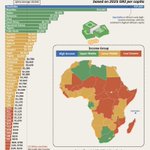
Sub-Saharan Africa’s growth remains resilient, with output projected at 4.5% in both 2026 & 2027. But the outlook is clouded by rising inflation, thin buffers, & downside risks. Policies should rebuild buffers, support growth, and protect the vulnerable. imf.org/en/publications/reo/…

Obi retweeted
Review of Economic Studies is happy to announce the launch of the new journal, Review of Economic Studies: Insights. This is an open-access, general-interest economics journal that will publish short papers with a fast review process and accept/reject decisions.
1/4

Obi retweeted

Slavery was an evil in which people from every continent and region participated. We should be honest about the whole history, not select the parts that are politically convenient today, especially given Britain's leading role in ending the transatlantic slave trade.
If Caribbean countries are asking Britain for a formal apology for Britain’s role in the transatlantic slave trade, will they also be asking the same of the descendants of African kingdoms, rulers and merchants who captured, sold and profited from the trade?
On demands for reparations, whether through cash or debt relief, we have been down this track before. Twenty-five years ago, Jubilee 2000, Drop the Debt and Make Poverty History argued that cancelling the debts of poorer countries would give them a fresh start. More than $100 billion of debt was eventually written off, but many of those countries have since built up even bigger debts. Labour are already spending too much on Britain's welfare state, now is not the time for Andy Burnham to be providing global welfare.
There is no reason British taxpayers today should be held financially responsible for things that happened generations before any of us were born. And I have even less patience for political elites in commonwealth countries who don’t know how to make their own citizens prosperous now looking for another opportunity to blame Britain.
As Prime Minister, Andy Burnham should be Britain’s greatest defender. Instead, he is writing articles saying we need to confront our history (as if we haven't done enough of that) and considering another formal historical apology. Tony Blair already expressed Britain’s deep sorrow and regret for our role in the slave trade nearly twenty years ago. There is no need to do so again.
This is all another navel-gazing distraction. The Commonwealth should be looking forward, not endlessly backwards. That means economic partnerships to make us all richer and deeper military and security cooperation against common threats. If every Commonwealth summit becomes an exercise in presenting Britain with demands for cash then we need to start asking if it is worth the effort.
Obi retweeted

Many of you are in the process of applying for jobs in academia and/or in industry.
As you prepare your job talks, consider giving it the following structure:
First, a short snippet of your overall set of technical accomplishments. For instance, you might spend the first 15 minutes giving short overviews of a few of your works/papers - it's also very good to draw a theme across them if there is one.
Second, you can spend the next 20-25 minutes doing a deep dive on *just one* of them - say, the one you're most proud of, or the one that matches the team/department interests and needs best.
Finally, use the last 5-10 minutes to summarize and talk about what you think are important new directions to pursue in research and how these could have impact on the field, the company, or the department and their areas of interest and growth.
It's hard to give a bad talk that's structured this way.

Obi retweeted

Democrats should realize that what Meta did in Brazil, they and other social media companies will do in the US in 2028 unless they are made to understand they will face criminal penalties for it
Obi retweeted

Se ha detenido el fascismo en America Latina en Brasil.
El pueblo brasileño libre logró frenar la avalancha de los bots falsos y el sistema electoral con software público y bien cuidado por la gente evitó fraudes, se salva la justicia social en Brasil y el intento extranjero de quedarse con sus recursos naturales.
Muy bien Lula.
Este es un triunfo para la humanidad y una derrota estratégica para las fuerzas de la oscuridad.
