

Retro game enthusiast and French developer who loves porting old systems to #MiSTerFPGA
🇫🇷 France, Haute-Savoie
Joined June 2011
- Tweets826
- Following259
- Followers1.3K
- Likes2.4K

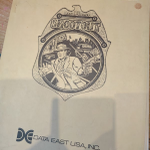





I just received and scanned the Shoot Out service manual. Full schematics included🙂 I'll start the core development in the coming days.


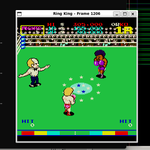
It's been a while since my last core release! Ring King arcade core for #MiSTerFPGA is now available.


This is so cool! Thank you @Pmaxsd

After 6 years finally Qbert is getting his @#&*! speech on MiSTer FPGA 🥳 Full IIR filterbank, DDS oscillator, glissando, vendor-agnostic VHDL, GHDL testbench included. PR already open 🤞
github.com/shufps/Arcade-QBe…
#qbert #votrax #sc01a #MiSTer #FPGA #RetroGaming #Arcade

Thanks to the kindness and professionalism of the staff at the DeGolyer Library @SMU_Libraries, I finally gained access to scans of the TMS7000 Microcode Development Guide from the Texas Instruments archives! 😀
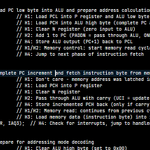
I try to rebuild the TMS7000 microcode ROM, mostly guesswork😒Frustrating that the listing exists in TI’s archives but hasn’t been scanned yet...

I spent several weeks working on a RISCV32 CPU, and now I can boot Linux! 🙂 It's just a software simulation for now.


