

WashPod™ - the original, mobile, disabled wetroom range; 8 models that keep you at home and can be rapidly installed, inside or outside, without adaptations.
- Tweets156
- Following64
- Followers36
- Likes30





ALT The TrustMark quality logo


ALT Luke spent 4½ months in hospital. Once home, he was forced to use the makeshift shower because he couldn’t access the family bathroom, as it wasn’t wheelchair-friendly. Now, Luke has moved into an adapted property that suits his needs perfectly. His mother, Annette, says, “While Luke won’t miss the WashPod, it provided a quick and dignified bathing solution at a time when he was coming to terms with his situation. It gave him the independence and privacy he needed.”

ALT An image of the front cover of the ADASS (Association of Directors of Adult Social Services) Eastern Region which features a case study on WashPod along with other inspirational case studies that illustrate Best Practice across the region. It makes great reading. The Internal Compact WashPod was provided under the Disabled Facilities Grant (DFG) for a lady with Motor Neurone Disease who wished to stay in her own home as long as possible, shower with dignity and be ‘able to wash her hair’. An attractive feature in the case study is the Dignity Access Turnaround Service which means that not only was the WashPod rapidly installed and removed, it now remains as the Council’s property for use by other people and serviced by Dignity Access for only a small fixed-price fee with each installation.

ALT A before and after photo of a WashPod Internal Compact temporary disabled wetroom in a living room which doesn't require any adaptations and can be installed and removed in just hours. Great for hospital discharge.

ALT Photo shows Christine, who has Motor Neurone Disease, in a donated WashPod temporary disabled wetroom. She is now at the stage where she will very soon have to stop attempting the stairs. With a double turn on the staircase, a stair-lift was too expensive for the short-term gain it would have given and she needs a ground level shower facility to support a ground level sleeping arrangement. She says the WashPod will be transformative. It is the result of the Dignity Access Clive Deane charitable venture.

ALT The Dignity Access Christmas Party

ALT Photo of the collectable WashPod branded pens that will be available on the Dignity Access stand F51 at the OT Show in Birmingham later in November.

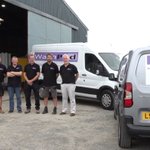
ALT The WashPod team. The pair that got stuck finally got home in the early hours and were a little bleary-eyed this morning. But will be bright-eyed and bushy-tailed by Friday for another installation, in the other direction, in Blackpool.

ALT Photo of a Large Internal WashPod temporary disabled wetroom that is covered in a lovely underwater coral aquarium scene.

ALT The Dignity Access WashPod stand at the OT Show 2023


ALT Photo of a dream home in a lovely field at sunset.

ALT Two of the awards that Dignity Access won at the Occupational Therapy Excellence Awards 2024.

ALT This is Berj whose wife benefitted from the Dignity Access Clive Deane charitable MND venture by having this Internal Compact on loan for free to support her when she had Motor Neurone Disease.

ALT A photo of a Micro WashPod temporary disabled shower with Seth's wheelchair that his mum says helps to make him feel human again.

