

ポジ。1970年産。走ったり漕いだり泳いだりしてます。 プロフィール画像は過去の栄光です笑 。 2021年10月に心臓の手術をして別人になってしまいました涙 2022年12月からトレーニングを再開 2024年を目処にレース復帰(もちろんエイジ日本代表にも復帰)したいと思ってます
群馬県前橋市
Joined November 2009
- Tweets25.7K
- Following409
- Followers415
- Likes96.4K


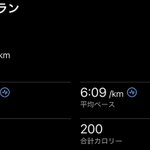


まぁショボイ練習量ですわ
10月は最繁忙月だし、肉離れもあったし、
そもそも気管支炎で8,9月は殆ど練習してないので
体力レベルが落ちてるのでこんなもん
positive-forward.com/2026/10…


いやこれ英文だけどそんなのAIに翻訳させればいいから
さわり部分だけでも読んでみる価値あるよ
4ページの距離走ランナーの強度分類とか細かい
VHIT:乳酸耐性トレーニング(800m・1500mペース
HIT:高強度有酸素インターバル(5000mペース
MIT:閾値トレーニング:インターバル走(10000mペース
とか

これかなり面白い
過去100年の中長距離走トレーニングの変遷にも触れながら、ノルウェー式のトレーニングモデルと、その生理学的な背景を考察したレビュー論文
しかも、なんと著者の一人に、あのマリウス・バッケン氏本人が名を連ねています
無料で読めますよ
pmc.ncbi.nlm.nih.gov/article…
これかなり面白い
過去100年の中長距離走トレーニングの変遷にも触れながら、ノルウェー式のトレーニングモデルと、その生理学的な背景を考察したレビュー論文
しかも、なんと著者の一人に、あのマリウス・バッケン氏本人が名を連ねています
無料で読めますよ
pmc.ncbi.nlm.nih.gov/article…

New research: The Norwegian method seems more evolution than revolution. Controlled studies have not tested it.
This is a 2023 review by Arturo Casado and colleagues. Here's what the research actually says.
The method builds on 100 years of ideas: lots of easy running, intervals below all-out effort, hard days followed by easy days, and training inside a set heart-rate range. The Ingebrigtsen brothers used all four.
Here is what some world-class middle- and long-distance runners did each week. Three to four threshold sessions, often two on the same day, each 8 to 12 km of repeats with 20 seconds to 1.5 minutes of rest between them. One harder session, for example 20 x 200 m uphill. And 150 to 180 km a week, mostly easy running.
Blood lactate, not pace, sets how hard each interval session is. The target is typically 2 to 4.5 mmol/L, checked every one to three reps. So each session has an effort target read from the body, not the watch.
Short, fast reps can still count as threshold work. One session run by international-level runners was 20 x 400 m, averaging 62 seconds per rep with 60 seconds of rest, much faster than half-marathon pace, while blood lactate stayed below 4 mmol/L. Each rep is too short for lactate to climb, and the rest lets it drop back, but not all the way.
Threshold work may tire runners less than harder intervals at about 5000 m race pace, so they may recover faster and fit more sessions into a week. The possible cost: more threshold sessions each week may also raise the risk of injury or overtraining.
Keep the limits in view. The model has been described only in 1500 m and 5000 m runners, whether it applies to the marathon remains uncertain, and no controlled studies have tested whether it works. Lactate zones should be set through testing for each athlete, not copied from general ranges.
My take: the principle travels better than the whole program. Let internal load steer the hard days, keep most of the volume easy, and wait for controlled studies before calling it a revolution.
Follow for more research breakdowns.
Reference DOI: 10.3390/ijerph20053782


ヘルニアが癒えて2017年1月1日から
「毎日最低20分は何かしらの練習する」って決めて
2020年6月まで1200日以上休息日なしで練習したら満足できる結果出た
自分史上一番強かったのは2020年春(コロナでレースなかったけどw)
継続大事
だからブログタイトルも「継続こそが力なり」にしてる
2015〜2016年は黒歴史
ヘルニア祭りと体調不良を繰り返して
満足な練習が出来ず、レースのタイムも順位も落ちる一方だった
2025〜2026年も似たような感じ
継続した練習がちっとも出来てないのでレースでの結果も出ないし、レースにすら出られないこともあった

信州最速Proj.(←古いw)の牛山さんが1km×3本のインターバルを頻繁にやってて
なんで定番の1km×5本じゃないんだろう?って思ってたけど
「十分」と「最大」の効果をハッキリ区別し
「必要な刺激」を「必要な量」だけ積み重ね
練習を継続させるにはこのへんが落としどころだったのかもしれません
インターバルは疾走+緩走の合計時間が約11分
疾走のみなら約5.2分でVO2maxの最大効果の80%に相当
23分以上やっても効果は限定的?
一応、自分なりにこの研究結果からインターバルは何メートルを何本、レストはこのくらいという(あくまでも)目安を考えてみました
positive-forward.com/2026/10…


in the heat, the winner is often the athlete whose system fails last, not the one with the biggest engine
暑さの中では、勝者はたいてい、最大のエンジンを持つ者ではなく、身体の機能が最後まで持ちこたえた選手である
Kona 2026:Ironman World Chamionship
marcocardinale.com/2026/10/
