

Accredited Nutritionist & Naturopath texts are for information only always see your Healthcare professional for diagnosis & treatment
Australia
Joined January 2013
- Tweets4.4K
- Following3.8K
- Followers2.5K
- Likes935



PTSD and heart disease in veterans.
By Russell Setright PhD
Member of the Australasian Medical Writers Association
How strong is the link?
In 2013, Vaccarino and colleagues reported on 562 male twins who served in the US military during the Vietnam era. Over a median follow-up of 13 years, coronary heart disease developed in 22.6% of those with post-traumatic stress disorder (PTSD), compared with 8.9% of those without PTSD.
The association remained after the researchers accounted for factors including smoking, alcohol, physical activity and depression. Diet was outside their analysis, so how much it contributed to the difference remains an open question.
What do we know about diet?
In November 2026, Yuan and colleagues reviewed the evidence on US veterans’ heart health. On average, veterans ate little fruit, vegetables and whole grains, while their intake of processed foods, solid fats and sugary drinks was high.
High blood pressure, diabetes, obesity and sleep disorders were also common among veterans receiving US Veterans Affairs care. The 2026 review also found that several heart disease risk factors were more common among veterans than in the general US population.
How well are veterans followed up?
In 2022, Leung and colleagues examined care at 82 US veterans’ primary care clinics. Among veterans who screened positive for depression and whose clinician also identified depression, 32% met the early follow-up standard. That required at least three visits within 12 weeks for specialist mental health care, psychotherapy or depression care with a primary care clinician.
By one year, 77% met the minimum treatment standard. That meant filling prescriptions for at least 60 days of antidepressants, attending at least four specialist mental health visits, or having at least three psychotherapy sessions. This figure tells us how many received that level of care. Whether they felt better is a separate question.
For members of our RSL sub-branch, there’s a practical point here. If you’re seeing your GP about PTSD or depression, it’s worth discussing how you’re sleeping, what you usually eat and when your blood pressure, cholesterol and blood sugar were last checked.
Journal references
1. Vaccarino V et al. Post-traumatic stress disorder and incidence of coronary heart disease: a twin study. Journal of the American College of Cardiology. 2013. pmc.ncbi.nlm.nih.gov/article…
2. Yuan N et al. Cardiovascular health promotion for US veterans: current state, gaps, and strategies: a scientific statement from the American Heart Association. Circulation. 2026. ahajournals.org/doi/10.1161/…
3. Leung LB et al. Electronic population-based depression detection and management through universal screening in the Veterans Health Administration. JAMA Network Open. 2022. pubmed.ncbi.nlm.nih.gov/3526…

43
Could the sugar we consume in our first 1,000 days affect our health 60 years later?
Some interesting research published in The BMJ, Science and Nature Communications suggests that it could.
One study examined 63,433 British adults born around the time sugar rationing ended in the UK in the 1950s.
Researchers found that reduced sugar consumption during pregnancy and the first two years of life was associated with a reduced risk of:
• Cardiovascular disease – 20%
• Heart attack – 25%
• Heart failure – 26%
• Stroke – 31%
Another study published in Science in 2024 found an associated reduced risk of:
• Type 2 diabetes – 35%
• High blood pressure – 20%
Further research published in Nature Communications in 2026 reported associations with:
• Heart failure – 14% lower risk
• Death from all causes – 19% lower risk
• Ageing-related disease – 9% lower risk
The first 1,000 days, from conception to two years of age, are a critical period for growth and development.
While these were observational studies and cannot establish cause and effect, the findings are significant. Some studies used overlapping populations, so they are not entirely independent confirmations.
They do, however, add to the growing evidence that nutrition during pregnancy and early childhood may influence our health for decades.
Perhaps we should be paying much more attention to the added sugar in foods marketed for babies and young children.
References:
1. Yang C. et al. The BMJ, 2025. Early-life sugar restriction and cardiovascular health.
2. Gracner T. et al. Science, 2024.
3. Tang H. et al. Nature Communications, 2026.
4. Zheng J. et al. Nature Communications, 2026.

35
Vegan diets and brain development during pregnancy and childhood
There has been considerable discussion about the benefits of vegan diets, but I believe we also need to look carefully at the nutritional risks, particularly for pregnant women and growing children.
Iron, iodine, vitamin B12 and DHA omega-3 all have important roles in brain development. Deficiencies in some of these nutrients can affect learning, memory and cognitive development.
A 2025 review by the European Society for Paediatric Gastroenterology, Hepatology and Nutrition (ESPGHAN) examined the nutritional adequacy of vegan diets in children.
Some of the findings from studies included in the review are worth considering.
Comparing vegan children with omnivorous children:
• Depleted iron stores: 30.2% compared with 12.8%
• Mild anaemia: 6% compared with 0%
• Probable vitamin B12 deficiency: 13% compared with 3
(Desmond, 2021)
• Low urinary iodine: 41.9% compared with 19.6%
(Světnička, 2023)
There is also research demonstrating what can happen when these nutrients are deficient.
Von Schenck (1997) reported persistent developmental delays in an infant with severe B12 deficiency associated with a maternal vegan diet.
Bath (2013) found that lower iodine levels during pregnancy were associated with poorer verbal IQ and reading performance in children.
The MATCOBIND trial (2026) found a statistically significant difference in infant mental development scores between two doses of maternal B12 supplementation in a predominantly vegetarian population.
These findings do not mean every vegan diet is harmful. They do show why adequate nutrition is so important during pregnancy and childhood.
My concern is that simply taking supplements does not necessarily guarantee nutritional adequacy.
Pregnant women following vegan diets should have their B12, iron and iodine requirements assessed, while children need carefully planned diets and regular monitoring of growth and nutritional status.
Plant-based drinks should never be used as substitutes for breast milk or appropriate infant formula.
A vegan diet may be nutritionally adequate when properly planned, but deficiencies during critical stages of development can have lasting consequences.
References
1. Verduci (2025): lnkd.in/gvgVFcq2
2. Desmond (2021): lnkd.in/gjqbPY24
3. Von Schenck (1997): lnkd.in/guBrD8VS
4. Bath (2013): lnkd.in/gpaxCU4P
5. MATCOBIND (2026): lnkd.in/gM3TVP53
General nutritional information only. Individual dietary advice should be obtained from a qualified health professional.
#ChildNutrition #BrainDevelopment #VeganDiet #Cognition

68
Sugar-free doesn’t automatically mean better for brain health.
A Brazilian study published in Neurology followed 12,772 adults for approximately eight years. Higher consumption of six sugar substitutes aspartame, saccharin, acesulfame-K, erythritol, sorbitol and xylitol was associated with faster declines in memory and thinking.
The highest consumers were associated with a 63% faster cognitive decline, equivalent to around 1.6 additional years of cognitive ageing. The association was found in adults under 60; no significant association was detected in those aged 60 and over. These figures describe cognitive test performance, not a direct measurement of brain ageing.
Supporting concern, a separate Framingham Heart Study, published in Stroke in 2017, linked artificially sweetened soft drinks with higher rates of stroke and dementia. However, it examined beverages rather than individual sweeteners, and underlying conditions such as diabetes could partly explain the findings.
Both studies were observational: neither proves that sweeteners cause cognitive decline or dementia. They raise questions worth investigating, rather than establishing that replacing sweeteners with sugar is healthier.
“Sugar-free” is a description of a product not a guarantee of its long-term health benefits.
References:
• Gonçalves et al., Neurology, 2025
• Pase et al., Stroke, 2017
#BrainHealth #Nutrition #memory #sugar #artificialsweeteners #HealthyAgeing #Research
Editorial note: The original study was published in 2025. The AAN’s July 2026 correction updated the headline figure from 62% to 63%.
49
AUSTRALIA NEEDS A MINISTER FOR MEN.
BETTER MEN MEAN A BETTER AUSTRALIA.
Australian men live shorter lives, have higher cancer rates, account for around 75% of suicides, over 90% of prisoners and the majority of workplace fatalities. Men are also disproportionately represented among people experiencing homelessness.
Men have historically made up the overwhelming majority of frontline combat troops, bearing the greatest burden of military casualties, combat-related injuries and the long-term physical and psychological consequences of war.
Yet Australia has no dedicated Minister for Men.
We have a Minister for Women, and rightly so and it is very important. But surely the serious health, military and social challenges facing men deserve equally focused attention.
Men’s health, mental wellbeing, veteran welfare, suicide prevention and social disadvantage must become national priorities.
This is not about men versus women. It is about equality, fairness and stronger families.
BETTER MEN MEAN A BETTER AUSTRALIA..
1
1
52
BREAST CANCER: HIGHER CAROTENOID LEVELS LINKED TO 48% LOWER RISK OF LETHAL DISEASE.
New research published in The American Journal of Clinical Nutrition (2026) provides further evidence that naturally occurring carotenoids in vegetables and fruits may help protect against aggressive breast cancer.
Researchers studied 2,583 women who developed invasive breast cancer and 3,516 controls.
THE FINDINGS
Women with the highest blood concentrations had:
* 48% lower relative risk associated with total carotenoids.
* 41% lower risk associated with beta-carotene.
* 32% lower risk associated with beta-cryptoxanthin.
Importantly, these figures relate to the combined risk of developing breast cancer and subsequent recurrence or death, not simply survival after diagnosis.
OTHER RESEARCH SUPPORTS THE ASSOCIATION
A 2015 study following women for approximately 20 years also associated higher blood carotenoids with reduced breast cancer risk, including aggressive disease.
A 2023 systematic review and meta-analysis reported a 24% lower breast cancer risk among women with the highest circulating carotenoid concentrations.
WHERE DO WE FIND CAROTENOIDS?
Carrots, pumpkin, sweet potatoes, tomatoes, spinach, kale, oranges and red capsicum are excellent natural sources.
Cooking some vegetables and consuming them with extra virgin olive oil can improve carotenoid absorption.
MY VIEW
These findings strengthen the case for nutrition as an important component of preventive healthcare. However, association does not establish causation, and high-dose carotenoid supplements have not demonstrated the same benefits.
A varied diet rich in naturally occurring carotenoids is sensible, alongside regular breast screening and evidence-based medical care.
SCIENTIFIC REFERENCES
1. Peng et al. Am J Clin Nutr. 2026. lnkd.in/gSkQPanE
2. Eliassen et al. Am J Clin Nutr. 2015. lnkd.in/gFtbVxaQ
3. Nutrients. 2023. lnkd.in/gTUdpdGE
#breastcancer #carotenoids #nutrition #cancerprevention #naturalmedicine #womenshealth #preventivehealth

40
WORLD MENOPAUSE DAY 18 OCTOBER 2026.
MENOPAUSE AFFECTS MORE THAN HORMONES, IT ALSO AFFECTS THE BRAIN
On World Menopause Day, it is important to recognise that menopause is more than the end of menstruation. Changes in oestrogen and progesterone can affect mood, sleep, memory and concentration.
Oestrogen influences neurotransmitter systems involved in mood and attention, including serotonin and dopamine. Progesterone metabolites interact with GABA receptors, which help regulate nervous system activity.
During perimenopause, some women experience anxiety, low mood, irritability, poor sleep and “brain fog”. Brain imaging research also suggests changes in brain metabolism, connectivity and structure during the transition. These findings do not mean that menopause causes inevitable or permanent cognitive deterioration.
WHAT CAN NATURAL AND LIFESTYLE APPROACHES OFFER?
1. Exercise. Regular aerobic activity and resistance training support physical health, sleep and emotional wellbeing. A 2024 meta-analysis found improvements in depression symptoms among postmenopausal women.
2. Mediterranean-style eating. Vegetables, fish, nuts, legumes, extra virgin olive oil and adequate protein support long-term cardiovascular and metabolic health. Evidence that this diet directly relieves menopausal brain fog is positive but limited.
3. Soy foods and isoflavones. These contain phytoestrogens and have been studied for hot flushes, but findings are inconsistent. Major menopause guidance does not recommend soy supplements as an established treatment for vasomotor symptoms.
However, Japanese research has found that women consuming higher amounts of soy foods experienced substantially fewer moderate or severe hot flushes. One prospective study reported a 53% lower observed risk among women with the highest soy intake compared with the lowest.
4. Nutritional adequacy. Vitamin B12, vitamin D, magnesium and iron are important to normal health. Correcting an identified deficiency can help.
5. Sleep and stress support. Regular sleep habits and menopause-specific cognitive behavioural therapy can help women cope with troublesome symptoms. Persistent night sweats, anxiety or depression warrant appropriate clinical assessment.
MY MESSAGE FOR WORLD MENOPAUSE DAY
Menopause is a natural life transition, but its physical and psychological effects should never be dismissed. Lifestyle measures and appropriate medical care can work together. Hormone therapy remains an effective option for many women with troublesome symptoms after an individual discussion with your doctor of benefits and risks.
Women’s brain health deserves as much attention as their reproductive health.
#worldmenopauseday #menopause #perimenopause #womenshealth #brainhealth #naturalmedicine #
REFERENCES
1. Maki PM, Jaff NG (2022). Brain fog in menopause. Climacteric. doi.org/10.1080/13697137.202…
2. NICE. Menopause: identification and management (NG23), updated April 2026. nice.org.uk/guidance/ng23/ch…
3. The North American Menopause Society (2023). Nonhormone therapy position statement. pubmed.ncbi.nlm.nih.gov/3725…
4. Han B et al. (2024). Effects of exercise on depression and anxiety in postmenopausal women. BMC Public Health. pubmed.ncbi.nlm.nih.gov/3897…
5. Nagata C, et al. (2001). Soy product intake and hot flashes in Japanese women: Results from a community-based prospective study. American Journal of Epidemiology. pubmed.ncbi.nlm.nih.gov/1129…

1
3
153
Dementia is not necessarily an inevitable consequence of ageing. There is growing evidence that we can reduce our risk.
Research suggests that around 45% of dementia cases worldwide may be associated with potentially modifiable risk factors.
The Mediterranean diet, rich in extra virgin olive oil, vegetables, berries, nuts, fish and other minimally processed foods, has been associated with a lower risk of cognitive decline and dementia.
Regular physical activity, maintaining healthy blood pressure, managing cholesterol and blood glucose, adequate sleep, social engagement and remaining mentally active are also important.
What about nutritional supplements?
Omega-3 fatty acids, B vitamins (particularly B12 and folate), vitamin D and certain plant polyphenols have attracted considerable research interest.
Correcting nutritional deficiencies is important, particularly in older adults. However, evidence that supplements prevent dementia in otherwise well-nourished people remains limited and inconsistent.
Interestingly, some research suggests B vitamins may help slow brain atrophy in selected people with mild cognitive impairment and elevated homocysteine.
The encouraging message is that brain health is influenced by choices we make throughout life, including later life.
No single food, supplement or lifestyle change guarantees protection, but combining a Mediterranean-style diet with regular exercise, good metabolic health and mental and social activity offers a practical, evidence-based approach to reducing dementia risk.
Prevention is increasingly becoming an important part of the dementia conversation.
References: Livingston et al., The Lancet (2024); WHO Guidelines on Risk Reduction of Cognitive Decline and Dementia (2019); Smith et al., PLoS ONE (2010).
#dementiaprevention #brainhealth #healthyageing #mediterraneandiet #nutrition #longevity

33
New ageing study shows promising results, but the Mediterranean diet still has the stronger evidence.
New University of Sydney research involving 104 older adults found that dietary changes improved biological-age markers in just four weeks.
The strongest results came from a diet containing 53% carbohydrates, 29% fat and 14% protein.
However, improving biomarkers is not the same as reversing biological ageing or extending lifespan.
The traditional Mediterranean diet contains approximately 40–45% carbohydrates, 35–42% fat and 15–20% protein, emphasising extra virgin olive oil, vegetables, fish, nuts and minimally processed foods.
Longer-term Mediterranean diet studies, including DIRECT PLUS and NU-AGE, have also reported favourable changes in biological-age markers, while the landmark PREDIMED trial demonstrated significant cardiovascular benefits.
The message? Dietary quality matters more than simply reducing fat or increasing carbohydrates.
The Mediterranean diet remains one of the most scientifically supported approaches to healthy ageing.
References: Andrews et al., Aging Cell (2026); DIRECT PLUS (2023); PREDIMED, NEJM (2018).
#mediterraneandiet #healthyageing #longevity #nutrition #biologicalage

2
64
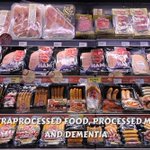
ULTRAPROCESSED FOOD, PROCESSED MEAT AND DEMENTIA, WHAT DOES THE EVIDENCE SHOW?
A major 2026 review in the Annual Review of Nutrition has brought together the growing evidence linking ultraprocessed foods with brain ageing, cognitive decline and dementia.
One of the strongest findings comes from 493,888 UK Biobank participants. Each additional 25 g/day of processed meat was associated with a 44% higher risk of all-cause dementia and a 52% higher risk of Alzheimer’s disease.
Importantly, this does not mean that two slices of ham suddenly increase an individual’s dementia risk by 44%. These are observational associations, not proof of cause and effect.
The same UK study found something often missed in the headlines: each additional 50 g/day of unprocessed red meat was associated with a 19% lower risk of all-cause dementia and a 30% lower risk of Alzheimer’s disease.
However, this finding has not been consistent across all studies, so it should not be interpreted as proof that red meat protects against dementia.
Fish appears to have more consistent support.
A 2024 meta-analysis involving 35 studies found that people with the highest fish intake had around an 18% lower risk of dementia and 20% lower risk of Alzheimer’s disease compared with those consuming the least fish.
A 2025 Neurology study involving 133,771 people also found that higher processed red-meat intake was associated with a 13% higher dementia risk. Replacing one daily serving of processed meat with nuts or legumes was associated with a 19% lower risk.
So the message is not simply that “meat causes dementia”.
The developing picture suggests that the degree of processing and the overall long-term dietary pattern may be particularly important including excess salt, refined carbohydrate, preservatives, poor-quality fats, low fibre, vascular health, insulin resistance and inflammation.
My practical view remains simple:
Base the diet predominantly on minimally processed foods fish, vegetables, berries and fruit, legumes, nuts, eggs, quality unprocessed meats, fermented dairy and extra-virgin olive oil while keeping processed meats and ultraprocessed foods occasional rather than everyday foods.
It is not about one slice of ham, It is about what we consistently eat over decades.
References
1. Carmichael OT et al. Annual Review of Nutrition. 2026;46:533–561.
2. Zhang H et al. Am J Clin Nutr. 2021;114:175–184.
3. Li Y et al. Neurology. 2025;104:e210286.
4. Godos J et al. Aging Clin Exp Res. 2024;36:171.

50
Could sleeping with the light on affect your heart?
A new 2026 European Heart Journal study involving more than 11,000 UK Biobank participants found that greater nighttime light exposure was associated with subtle changes in heart structure and function.
Those with higher exposure to light above 3 lux at night had greater left-ventricular mass and wall thickness, along with slightly reduced myocardial contraction. Over longer follow-up, greater nighttime light exposure was also associated with higher risks of heart failure, atrial fibrillation, heart attack, stroke and cardiovascular death.
Importantly, this was observational, so it shows an association rather than proving that light directly causes heart disease.
However, other research points in the same direction. A 2025 JAMA Network Open study of nearly 89,000 adults found that the brightest nighttime light exposure was associated with higher risks of coronary disease, heart attack, heart failure, AF and stroke.
There is also experimental evidence. A controlled 2022 study found that even one night sleeping under moderate room light increased heart rate, reduced heart-rate variability and increased next-morning insulin resistance compared with sleeping in very dim light.
The message is fairly simple: keep the bedroom as dark as practical and obtain plenty of natural light during the day.
The evidence is not yet proof of cause and effect, but it is becoming increasingly difficult to ignore.
Darkness is best, dim red is probably the next-best option, and blue-rich/white light is the one to not have on.
References
1. Dai J, et al. European Heart Journal, 2026. lnkd.in/g---eWwY
2. Windred DP, et al. JAMA Network Open, 2025. lnkd.in/gAgT5hNb
3. LMason IC, et al. PNAS, 2022. lnkd.in/gkaCMFqd
4. European Journal of Preventive Cardiology lnkd.in/gKX3iv9R
#hearthealth #sleephealth #circadianrhythm #nightlight #AF #cardiovascularhealth

42
MUSIC, SLEEP AND BRAIN HEALTH.
Most of us listen to music because we enjoy it, but research suggests it may offer additional benefits as we get older.
A 2021 review of five randomised controlled trials found that music improved sleep quality in older adults. Slower, more sedative music appeared to work best, particularly when used consistently for more than four weeks.
A simple approach is to play quiet, relaxing music at bedtime for around 30–45 minutes, using a timer. Soft piano, classical music, gentle acoustic guitar, strings or slow pan-pipe music may all be suitable.
Daytime music may serve a different purpose.
A 2025 Australian study of 10,893 people aged 70 and over found that frequent music listening was associated with a 39% lower incidence of dementia. Regularly playing a musical instrument was associated with a 35% lower incidence.
These were observational findings, so they do not prove that music prevents dementia. However, actively engaging with music singing, playing an instrument, keeping rhythm or learning something new involves memory, attention, coordination and emotion.
Perhaps there are two ways to use music as we age:
During the day use music to engage the brain.
✅ Listen, sing, play an instrument and occasionally try something new.
✅ At night use music to settle the brain. Choose slower, softer music at around 60–80 beats per minute and listen for about 30–45 minutes while going to sleep.
Music is inexpensive, enjoyable and generally safe. It is not a treatment for dementia or every sleep problem, but it may be a worthwhile addition to a healthy daily routine.
References
Chen et al. J Am Geriatr Soc. 2021;69:1925–1932. doi:10.1111/jgs.17149. pubmed.ncbi.nlm.nih.gov/3388…
Jaffa et al. Int J Geriatr Psychiatry. 2025;40:e70163. onlinelibrary.wiley.com/doi/…

38

YOUR BRAIN CAN, AND DOES, TRICK YOU!
Try this fascinating visual illusion:
Stare at the black dot in the centre of the altered-colour Canberra picture I took for about 15 seconds. Try not to move your eyes.
Then immediately look at the black dot in the centre of the black-and-white picture.
For a few moments, your brain should make the black-and-white photograph appear to have normal colours the trees may look green and the sky blue!
This is called a negative colour afterimage. The colour-sensitive cells in your eyes temporarily adapt, and your brain compensates by producing the opposite colours.
The brain does not simply record everything like a camera it constantly interprets what we see. It is a little like waking at night and seeing a ghostly figure, only to discover that it was a dressing gown hanging on the bedroom door.
What we think we see is not always what is really there!
#BrainTricks #OpticalIllusion #TheHumanBrain #Vision #Neuroscience


37
TOO MUCH COW’S MILK CAN CAUSE ANAEMIA IN YOUNG CHILDREN
Cow’s milk can be a nutritious part of a child’s diet, but too much may contribute to iron-deficiency anaemia particularly in infants and toddlers.
Cow’s milk contains protein, calcium and other important nutrients, but very little iron. Excessive intake may also:
Reduce a child’s appetite for iron-rich foods.
Interfere with iron absorption.
Occasionally irritate the digestive tract and contribute to small amounts of blood loss.
Iron is essential for healthy red blood cells, energy, growth, muscle function and brain development. Signs of deficiency may include pale skin, tiredness, breathlessness, poor appetite, slow growth, behavioural changes, brittle nails and frequent infections.
How much milk?
Under 12 months: Breastmilk or infant formula should be the main drink, not cow’s milk.
Ages 1–5: Generally no more than 500 mL, or two cups, of cow’s milk daily.
Over 5: There is no specific limit, but around 500 mL remains a reasonable guide.
Children aged one to five should ideally receive several servings of iron-rich foods each day. Good sources include meat, poultry, fish, eggs, legumes, some types of iron-fortified cereals, leafy vegetables and nut pastes.
The haem iron found in meat, poultry and fish is absorbed much more efficiently than iron from plant foods. Vitamin C-rich foods including oranges, berries, tomatoes, capsicum and broccoli can improve the absorption of plant-based iron.
Milk should not replace meals. If a child appears unusually pale, tired, breathless or is growing poorly, speak with a GP about checking a full blood count and ferritin level.
Iron supplements should only be given under professional guidance.
Cow’s milk is not the problem, it is the amount and what it may be replacing in the child’s diet.
Source:
1. Children’s Health Queensland, Kids, cow’s milk and anaemia: What you need to know, 25 March 2026.
2. Maguire JL, Lebovic G, et al. The relationship between cow’s milk and stores of vitamin D and iron in early childhood. Pediatrics. 2013;131(1):e144–e151.

1
95
BELLY FAT AND LOW VITAMIN D, A DANGEROUS COMBINATION AFTER 50.
It is not simply how much a person weighs that matters. Where the fat is stored and whether that person is vitamin D deficient may be far more important.
A new six-year study followed 5,520 adults aged 50 and over. Having both abdominal obesity and vitamin D deficiency was associated with a 123% higher adjusted risk of death compared with having neither condition.
Abdominal obesity was defined as a waist measurement above 102 cm for men and 88 cm for women.
Vitamin D deficiency was defined as a blood level below 30 nmol/L.
This finding is supported by an earlier study involving 40,058 American adults. Compared with people who had neither condition, abdominal obesity combined with vitamin D deficiency was associated with:
• A 57% higher associated risk of death from all causes
• Approximately double the associated risk of cardiovascular death
Abdominal fat may reduce the amount of vitamin D available in the bloodstream through storage in fat tissue, dilution and altered vitamin D metabolism. Low vitamin D may then add to the inflammation, insulin resistance and immune dysfunction associated with visceral fat.
The message is simple: after 50, both waist circumference and vitamin D levels are important health markers. These are factors that can be measured, monitored and managed.
However, these were observational studies. They demonstrate an association but do not prove cause and effect or that taking vitamin D supplements alone will prevent death.
Vitamin D levels should be tested, and high-dose supplementation should be medically monitored.
References:
1. Milliati JS, et al. (2026). Does the Combination of Abdominal Obesity and Vitamin D Deficiency Increase the Risk of Death in Individuals Aged 50 or Older? Evidence From the ELSA Study. Diabetes, Obesity and Metabolism, 28(8), 6607–6617.
2. Song S, et al. (2022). Additive Effects of Obesity and Vitamin D Insufficiency on All-Cause and Cause-Specific Mortality. Frontiers in Nutrition, 9, 999489.
#VitaminD3 #AbdominalObesity #HealthyAgeing #CardiovascularHealth #PreventiveHealth

59
Could Omega-3 Help Reduce the Need for Antibiotics in Severe Gum Disease?
A new randomized controlled trial has produced a very interesting result in people with severe Stage III/IV periodontitis.
All participants received standard periodontal treatment (subgingival instrumentation), with researchers comparing the addition of:
• Antibiotics — amoxicillin + metronidazole.
• Omega-3 (3 g/day) + low-dose aspirin (100 mg/day)
• A combination of both approaches
• Placebo
After 12 months, the percentage of patients reaching the periodontal treatment target was:
58.6% — Antibiotics
57.7% — Omega-3 + aspirin
57.1% — Both treatments
23.1% — Standard periodontal treatment alone
The striking finding was that omega-3 plus low-dose aspirin produced a very similar clinical response rate to antibiotics.
This does not mean omega-3 and aspirin kill bacteria like antibiotics. Their benefit appears to come from helping regulate and resolve the excessive inflammatory response that contributes to periodontal tissue destruction.
Even more interesting, adding antibiotics to omega-3 and aspirin did not appear to provide additional benefit.
With antibiotic resistance now a major global health concern, treatments that may help reduce unnecessary antibiotic use deserve serious attention.
This is promising research, but it is not a reason to self-treat. Omega-3 (3 g/day) and aspirin (100 mg/day) were taken for six months, and aspirin is not appropriate for everyone. It can increase bleeding risk, so medical and dental supervision is essential.
Reference:
Castro dos Santos NFA, et al. Immunomodulators, associated or not with systemic antibiotics, to treat periodontitis: A 1-year multicenter, placebo-controlled, double-blind, randomized clinical trial. Journal of Periodontology. 2026;97:1454–1466.
#Omega3 #Periodontitis #OralHealth #Inflammation #Aspirin #AntibioticResistance #NutritionalMedicine #ClinicalResearch #DentalHealth

64
