

A non-profit organization, providing rescue and rehabilitation for orphaned, injured and sick wildlife in North Florida.
Quincy, FL
Joined January 2009
- Tweets251
- Following8
- Followers541
- Likes25


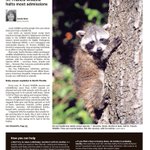


St. Francis Wildlife education director Sandy Beck takes wing after 34-year wild ride. ❤️
Leaving the nest: Grateful for long, wild ride at St. Francis
tallahassee.com/story/life/h…

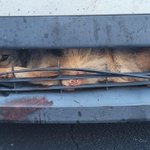
Always check your vehicle after a strike with a wild animal. This injured, but still living coyote spent the night in a car grill. St. Francis Wildlife rescued it this morning, and Capital Area Veterinary Specialists will operate on its fractured leg tomorrow!


We received a call about a Red-shouldered Hawk that flew into a screened pool area, bounced off the screen and landed in the pool. Our rescuer Steven scooped up the bird in the pool net and set him free!😊
A dead tree crashed, and the homeowner found a baby woodpecker on the ground.
When our rescuer arrived, he saw another baby on a nearby tree trunk being fed by its parents!
They used a long pole to place the displaced baby near its sibling. Watch the video to see their reunion!
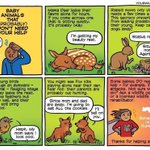
St. Francis Wildlife’s inn is full, for now (although we continue to rescue RVS — rabies vector species). Please read education director Sandy Beck’s article in the Tallahassee Democrat to find out why and how you can help wild babies.


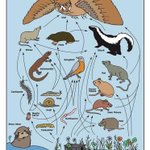
Rat poison and glue traps kill more than rodents. They also kill or catch the hawks, owls and other predators that feed on them. Preventing rodents from getting into your home in the first place will save lives. Here are some helpful tips on how to do it.


Wildlife lovers brought us seven Muscovy ducklings from Lake Ella this week.
Ducklings can walk, swim and eat on their own. Mother is always nearby protecting them. We drove these babies back home.
PLEASE call us for advice before you bring a baby bird to us: 850.627.4151. ❤️

Check out St. Francis Wildlife's brand new website! So beautiful and so many new features, breathtaking photos of our wild patients and lots of valuable information about how to help your wild neighbors. stfranciswildlife.org
We welcome your feedback!

Three months ago, St. Francis Wildlife received four baby Barn Owls, orphaned after their barn was demolished. They are grown up now so this weekend we took all four back home. This video shows two of them flying free! youtu.be/w7EM-Dv5xYY
Wildlife rehabilitator Kayla gives Teresa, our non-releasable opossum educator, a pedicure.
Teresa says, “I’m being real good — so where’s that grape you promised me?”

We received a juvenile bobcat that was hit by a car on Meridian Road in Tallahassee. Its back legs were paralyzed. After almost three months of rehabilitation at our wildlife hospital, we released the completely recovered bobcat in safe habitat!
youtu.be/iF6w33-O_e8
Meet Teresa Opossum, the newest member of our Wild Classroom outreach education program. One of an orphaned litter of five we raised this summer, this little girl has developmental and neurological problems that make her unreleasable. Watch her ‘swoon’ over a ripe banana.
Education Director Sandy Beck made this movie about our former Director and Wildlife Rehabilitator Teresa Stevenson and the 11 years she dedicated to helping and healing injured, orphaned and sick wildlife in our North Florida community.
Teresa and her dog Lola died in an automobile crash in Mexico on October 28th.
youtu.be/5_iPZ0bjuw0
You are invited to a virtual memorial service for St. Francis Wildlife’s beloved former director and wildlife rehabilitator, Teresa Stevenson. Details are in our Tallahassee Democrat blog.
blogs.tallahassee.com/commun…

If you cannot join us on Monday evening, bevisfh.com will archive our dear friend's service.

How do birds keep their feet toasty when it’s frigid outside, like tonight?
The blood vessels in their skinny legs carrying blood to and from the feet are very close together. So blood flowing to the body from cold feet is warmed by blood flowing from the body.
While perched they may also stand on one foot and pull up the other beneath their ‘down jacket.’ When that foot is warm they switch feet.