

Health. Nutrition. Optimisation. Ancient wisdom backed by modern science. New content daily. https://teapawt.net/t.co/CZ8uOCXXqB
Joined March 2026
- Tweets486
- Following33
- Followers147
- Likes469




Pinned Tweet
Your ancestors didn't count macros.
They ate nose to tail, fermented everything, cooked in butter and slept when it got dark. No tracking apps, no supplement stacks, no ultra-processed anything.
Today over half the Western diet is ultra-processed. We're tired, anxious and inflamed, and we're told that's just modern life.
It isn't. It's a template we abandoned. And every year the science backing the old one gets stronger.
TFC tests ancestral health against modern research. What holds up, we make films about. What doesn't, we tell you straight. Our most-watched film is past 400,000 views, so people are clearly ready for it.
We also built a free AI health coach called Duncan. Ask him the things you'd feel daft asking out loud. He's in the reply below, with everything else we make 👇
Follow to take your health back.

You're eating your potatoes a day too early.
Boil one today and leave it in the fridge overnight. Tomorrow, it's a different food.
Hot from the pan, the starch inside is swollen and loose. Your body turns it into sugar, fast.

3
28
Your nan never read that study. But her bubble and squeak was made from Sunday's cold potatoes.
How to do it: boil them whole, skin on. Into the fridge overnight. Eat them cold with a sharp vinegar dressing for the biggest drop.
8
Overnight in the fridge, that starch tightens back up. Some of it gets so tight you can't digest it.
It slips straight past and feeds your gut bacteria instead.
A Toronto study found cold red potatoes raised blood sugar about a third less.
8
Collagen isn't just for skin and hair. It's a third of all the protein in your body: tendons, ligaments, bone, artery walls. We used to eat it in skin, cartilage and bones. Now it's lean protein with almost none, and from your mid-20s you make ~1% less a year.
1
60
How important is vitamin B12? More than most people think.
Your body can't make it, and it does three crucial jobs. It helps you make red blood cells, which carry oxygen round your body. It keeps your nerves working. And it helps turn the food you eat into energy.

The catch? Your liver stores years of it, so a shortfall creeps up slowly.
Absorbing it gets harder as you age, and some long-term heartburn and diabetes medicines lower it too. Around one in five people over sixty are estimated to be low.
1
Run low, and you can feel tired, weak and short of breath. It can hit your memory and your mood.
Leave it untreated long enough, and some of the nerve damage can be permanent.
6
Your spit can rebuild tooth enamel. A lab-made protein that mimics the one that built your enamel as a child, painted on by a dentist, pulls calcium and phosphate out of your saliva. Did your dentist ever offer it?
1
1
150
A 2023 JADA meta-analysis: it nearly doubled the chance early decay stopped. The catch: only before the surface breaks. Once it's a hole, it's a hole. Source: J Am Dent Assoc 2023 meta-analysis pubmed.ncbi.nlm.nih.gov/3724… Free AI coach: tfchealth.io/coach

23
Coffee was banned three times. Now it's the biggest source of antioxidants in many people's diets.
It started with Sufi mystics in Yemen, sipping it to stay awake through night prayers. Then it spread, and rulers started worrying about what people said over it. 🧵

So what does the science say now?
In one Norwegian study, coffee supplied nearly two-thirds of all the antioxidants people ate.
Half a million Brits, tracked for twelve years: those on two to three cups a day were the least likely to die during the study. Decaf too.
1
3
Ban one: Mecca, 1511.
Ban two: Istanbul, 1633. The Sultan shut the coffeehouses.
Ban three: London, 1675. King Charles II tried to close every coffeehouse in the country. Within eleven days, he backed down.
A penny bought you a coffee and the day's news.
1
25

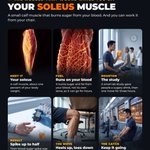
There's a muscle in your calf you can work from your chair. It's called the soleus.
It's about one percent of your body weight. In one lab study, working it cut the blood sugar spike after a sugary drink by up to half.
Sitting down.

3
1
107
The proof: a small University of Houston study gave people a sugary drink, then had them do one move for three hours. Their blood sugar spike was up to half as big, and insulin stayed lower too.
An even smaller study in Hungary saw the spike shrink by about a third. Early days.
1
11