

Linguist & Caucasologist • Prof @ Free Uni Tbilisi • Research lgs of the Caucasus, Native America • Author of 'Tonkawa Texts' • Weekly Georgian Etymologies
Tbilisi, Georgia
Joined October 2018
- Tweets8.3K
- Following2.7K
- Followers4.8K
- Likes8.5K




Pinned Tweet
🧵Thread of Threads! 🧵
Brief guide to selected previous posts, including weekly posts on Georgian language and culture, the languages of the Caucasus, and occasional posts about my actual research.

ALT The dividing line between Europe and Asia: photo I took in Khevsureti, Georgia, where at this exact spot, the watershed flows north into Europe rather than south into Asia. The meeting place of two lands.
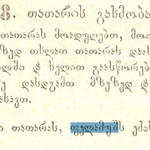
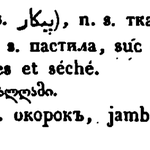
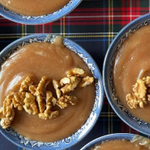
Weekly Georgian Etymology: ფელამუში pelamuši, Georgian dessert porridge made from wheat or cornmeal soaked in grape juice. From Ottoman Turkish *pelay-mış, calque of Persian پالای pâlây-eš refinement, from Middle Persian 𐭯𐭠𐭫𐭥𐭲 pālūdan strain, filter. A common autumnal treat.

This Persian root پالای pâlây in turn comes from Middle Persian 𐭯𐭠𐭫𐭥𐭲 pālūdan strain, filter, which was also the origin of Iran's own sweet confection فالوده fâlude, a kind of sorbet made from starch noodles in semi-frozen syrup:


1
5
143
Weekly Georgian Etymology: ბუ bu 'owl', from Old Georgian ႡႳႥႨ buvi, an ancient onomatopoetic Wanderwort: cf. Akkadian 𒁍𒌝𒄷 bûm, Greek βύας, Armenian բու bu, Arabic بُوم būm, Middle Persian 𐭡𐭥𐭯 būf. It replaced native *ğu-: cf. Megrelian ღუ ğu, Svan ღუჰ ğuh both 'owl'.

But the entire chain of borrowing is harder to pin down. It's likely that all of these reflect onomatopoeia, based on owls' vocal behavior. The same is true of the root *ğu- of the other languages:
Megrelian ღუ ğu
Laz ღუ ğu
Svan ღუჰ ğuh
This is also behind the verb *ğu- coo.
1
6
177
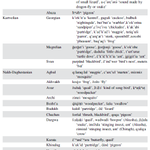
Across Caucasian languages, it is VERY common for flora and fauna names, and especially birds, to have 'expressive' traits, i.e. reflecting imitative or depictive aspects of the world. All three indigenous language families typically name birds with bisyllabic reduplications:

ALT From Wier (2023) "Expressive constructions in Georgian and other Caucasian languages"
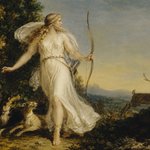
Weekly Georgian Etymology: ოჩოკოჩი Očoḳoči, satyr-like god of hunting in Georgian mythology. From Megrelian ოჩი oči and კოჩი ḳoči, from Kartvelian *wacʲ- goat and *ḳacʲ- man. Patron deity of cattle and goats, he feuded with Tq̇ašmapa, golden-haired goddess of wild animals.

The Svan roots present a few surprises. The Svan word for 'goat' ღვაშ ğwaš has an epenthetic initial /ğ/, an indication of how unstable *w was in Svan. Initial *ḳ also sometimes underwent palatalization to /č̣/ - making Svan look more unusual than it actually is.
1
6
157
