

CEO @ Mars Hill Media. Married to Linda. Dad to Katie, Lauren, Matt & Jack. Saboteur of magical thinking | I help non-profit leaders drive donor revenue.
Minneapolis, MN
Joined March 2013
- Tweets11.5K
- Following60
- Followers267
- Likes4.5K
Tim Finley retweeted

Towards the end of his career Daniel Kahneman was asked what the most important finding from all his years of research was.
His answer: make it easy.
It might sound like a statement of the obvious. But Kahneman makes the point that, although people intuitively know if they make a behaviour easier it’ll happen more, they consistently and significantly underestimate the scale of impact of small bits of friction.
As this brilliant cartoon by @marketoonist suggests, businesses are too willing to leave friction in the process. They think people will push through barriers to get to their amazing products. But in reality, the smallest pieces of friction tend to have an outsized effect on behaviour!
The implication is simple - for every customer touchpoint, identify even the tiniest barriers along the way, and if possible, take them out. That can have a bigger effect on behaviour than giving more and more reasons for why people should use your service.
***
If you'd like to learn more, I'm running a training session on behavioural science for better marketing on December 10th. More details here: tickettailor.com/events/astr…

Tim Finley retweeted

There is nothing to be gained by associating with those who infect you with their misery;
there is only power and good fortune to be obtained by associating with the fortunate.
Tim Finley retweeted

These 14 websites will rewire how you think, read, and write (bookmark this before your feed refreshes):
1. standardebooks.org — gorgeous free editions of classic literature
2. fs.blog — mental models & decision theory
3. yourbias.is — master cognitive biases
4. etymonline.com — unlock hidden meanings in words
5. onelook.com/reverse-dictio… — describe an idea, find the word
6. psyche.co — deep psychological essays
7. fivebooks.com — world-class experts recommend the 5 best books on any niche
8. themostdangerouswritingapp.c… — write without overthinking
9. aldaily.com — elite intellectual reading
10. hemingwayapp.com — make your prose sharp & clear
11. openlibrary.org — borrow millions of scanned books
12. yourlogicalfallacyis.com — identify flawed arguments instantly
13. 750words.com — morning brain dumps to unblock your stream of thought
14. proselint.com — catch clichés, redundancies, and weak writing habits
Tim Finley retweeted

This paper answers why confident idiots run the world.
Cornell University published a psychological paper that explains every terrible boss, every loud influencer, and every broken corporate hierarchy.
It’s called “Unskilled and Unaware of It.”
they tested participants across logic, grammar, and humor to measure the gap between actual performance and self-perception.
And the results are wild.
participants scoring in the bottom 12th percentile consistently believed they were operating in the 62nd percentile.
they were not lying. they were literally incapable of recognizing their own incompetence.
the paper revealed a brutal paradox:
the exact skills required to master a domain are the exact same skills required to accurately evaluate your own competence in that domain.
if you lack the skill, you inherently lack the cognitive capacity to realize you are failing.
this creates a dangerous systemic loop.
the incompetent are blessed with absolute, blinding certainty. their brain protects them from their own ignorance, allowing them to speak first, demand authority, and never second-guess their decisions.
meanwhile, the actual experts suffer the exact inverse.
top performers in the study consistently underestimated their rank. because a task was easy for them, they falsely assumed it was easy for everyone else.
they hesitate. they obsess over nuance. they assume they have nothing unique to add.
we are biologically wired to confuse confidence with competence.
the loudest person in the room gets promoted, gets funded, and gets the microphone, not because they know what they are doing, but because they are physically incapable of seeing what they don't.
the only defense mechanism is building systems that stop rewarding absolute certainty and start demanding proof of work.

Tim Finley retweeted

The crucifixion of Jesus Christ was foretold in the Old Testament scriptures with remarkable detail centuries before it took place.



Amen!

“An enemy will agree, but a friend will argue.”
- Russian Proverb
The Russian proverb, “An enemy will agree, but a friend will argue,” reveals a powerful truth about genuine friendship and loyalty. Those who secretly dislike you or simply don’t care may agree with everything you say, offering false reassurance rather than risking confrontation. After all, your mistakes mean little to someone who has no real concern for your well-being.
A true friend, however, isn’t afraid to disagree, question your decisions, or tell you something you may not want to hear. Even when honesty creates tension, their willingness to challenge you comes from a place of genuine care. Ultimately, the proverb reminds us that real loyalty isn’t about constant agreement. It’s about having someone who values your growth and well-being more than keeping you comfortable.


Tim Finley retweeted

If you’re not using AI to…
Be your personal trainer.
Do your taxes.
Find forgotten subscriptions you’re paying for.
Remember important thoughts.
Summarize articles.
Find contradictions in beliefs you’ve held for years.
Make dinner from leftovers.
Build your website.
Find patterns explaining where your money disappears.
Write your newsletter.
Plan your vacation.
Find forgotten moments in years of family photos.
Make grocery lists.
Plan dinner parties.
Identify habits destroying your sleep.
Turn doctor’s notes into meals.
Decode restaurant menus.
Find questions your doctor hasn’t thought to ask.
Build workouts around injuries.
Check your exercise form.
Identify triggers behind recurring marital arguments.
Compare prices.
Build a budget.
Calculate what your lifestyle costs over 20 years.
Explain medical bills.
Review your lease.
Find hidden fees you could negotiate.
Write invoices.
Draft proposals.
Find patterns in negotiations you’ve lost.
Turn meetings into action items.
Write difficult emails.
Rehearse intimidating conversations until you’re ready.
Summarize email threads.
Review contracts.
Find promises people made but never kept.
Summarize long PDFs.
Analyze spreadsheets.
Build a knowledge base that remembers everything you’ve taught it.
Build presentations.
Write speaker notes.
Have simulated experts attack your arguments.
Organize files.
Summarize notes.
Find business ideas buried in years of random thoughts.
Write job descriptions.
Build resumes.
Identify careers you’d excel at but never considered.
Prepare for interviews.
Practice languages.
Simulate your future self and question today’s decisions.
Make flashcards.
Quiz you until you understand.
Find the exact concept blocking your understanding.
Plan renovations.
Design your home.
See how furniture fits before spending a dollar.
Write event schedules.
Build RSVP pages.
Predict everything likely to go wrong and prepare for it.
Create itineraries.
Find rainy-day alternatives.
Build trips around your family’s actual energy levels.
Translate documents.
Find better kids’ books.
Create bedtime stories featuring your child’s imaginary friends.
Plan birthdays.
Write a toast.
Turn grandparents’ memories into a family history.
Write eulogies.
Write apologies.
Show how your words sound to someone who thinks differently.
Draft complaints.
Handle returns.
Find refunds and reimbursements you’re owed.
Name products.
Write product pages.
Interview simulated customers who hate your idea.
Write ads.
Storyboard videos.
Turn one hour of expertise into a month of content.
Write captions.
Batch social posts.
Discover recurring ideas hidden in your writing.
Outline books.
Edit chapters.
Find arguments in your manuscript that don’t hold up.
Preserve your voice.
Fact-check your work.
Build a searchable second brain from everything you’ve written.
Write onboarding docs.
Build checklists.
Find business processes nobody has thought to question.
Debug code.
Build calculators.
Build in an afternoon what once cost $20,000.
Design habits.
Plan your week.
Expose the gap between your priorities and how you spend time.
Negotiate salaries.
Role-play difficult clients.
Practice saying no without damaging relationships.
Prepare doctor questions.
Prepare legal questions.
Find risks in major decisions you’ve overlooked.
Organize photos.
Find gifts.
Build a private encyclopedia of your family’s memories.
Plan dates.
Plan family dinners.
Remember little things your partner wants and surprise them.
Adapt recipes for allergies.
Substitute ingredients.
Plan meals around budget, preferences, and leftovers.
Draft texts you shouldn’t send.
Rehearse boundaries.
Show the difference between what you meant and what someone heard.
Turn goals into plans.
Turn plans into Tuesday.
Show where your life is headed if nothing changes.
You’re already falling behind.
Tim Finley retweeted
The All-In Podcast is LIVE! 🚨
-- The birth of a new religion?: Claude, the Pope, and the alignment fight
-- OpenAI's 700+ papers, math community freakout
-- France riots as bond vigilantes put the West on notice
-- Grok Bot goes headless, OpenAI launches Dots
(0:00) Bestie intros!
(2:53) Anthropic believes Claude might be conscious: a new religion? Lobbying the Pope, alignment risks, model welfare
(38:28) OpenAI's math breakthroughs and community backlash
(1:02:03) Riots in France, Friedberg's socialism metric, bond market
(1:21:41) Grok Bot goes headless, OpenAI launches Dots, is IP worthless?
Tim Finley retweeted

I wish somebody would’ve taught me this before I started reading my Bible.
If you want to know who Jesus is, read the book of John.
If you want to go deeper into your identity in Christ, read the book of Ephesians.
If you want to learn how to live in holiness in a GODLESS culture… read the book of 1 Corinthians.
If you want to have wisdom for life, read the book of Proverbs.
If you want to know the origin of the universe and everything that exists, and why the world is broken today, read the book of Genesis.
If you want to understand the Gospel and learn what you should believe as a Christian, read the book of Romans.
If you want to understand why life without God has no meaning (even if you achieve success, status, money, and pleasure…) read Ecclesiastes.
If you want to learn how to find joy in the midst of your trial and suffering, read Philippians.
If you want to hear how the church was born and what the first Christians did through the power of the Holy Spirit, read the book of Acts.
If you want to learn how to put your faith into practice, read the book of James.
If you want to learn how to pray with honesty, even in the midst of lament, read the book of Psalms.
If you want to see a preview of what will happen in the future and remind yourself that, in the end, Christ wins every battle, read the book of Revelation.
St Jerome was right when he said: “The Scriptures are shallow enough for a babe to come and drink without fear of drowning…. and deep enough for a theologian to swim in without ever touching the bottom"
You CANNOT read the Bible and not have it change your life.
Tim Finley retweeted

Eight years of Peggy Flanagan and Tim Walz in power. And now high schoolers who wanted to go to a Friday night football game in Eden Prairie have to duck gunshots from Somali gangsters.
It’s completely insane.
Minnesotans deserve to be free to live their lives without fear, drive their cars without being carjacked, and let their kids go to a game without worrying that Peggy Flanagan’s policies could put them in danger.

EP Homecoming Dance cancelled tonight bc of last nights shooting outside the game. Confirmed those involved are Somali gangs - no EP or Tonka students. This is on the heels of the Somali gang shooting in Edina outside the church.
More on @FOX9 and Fox local app

Tim Finley retweeted

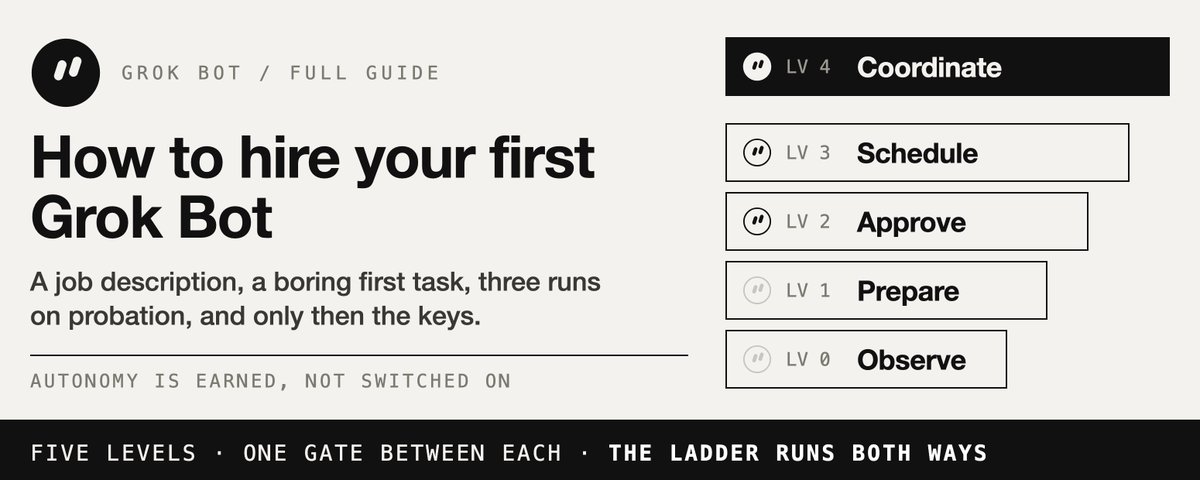
Helpful guide to hiring your first @Grok @Bot employee.
It really is like hiring an amazing helper that learns your needs and gets smarter almost every day!

Tim Finley retweeted
There are a couple of universal patterns that show up across fields that you should apply to pretty much anything:
- Use a written process because memory isn't reliable (see aviation checklists, surgery, mise en place, SOPs...)
- Stop early when something is wrong (Andon cord, feature flags, turnaround time, error budgets...)
- Leave a buffer (Margin of safety, safety stock, taper, defense in depth...)
- Fix the system rather than blame people (Blameless post-mortems, poka-yoke, Swiss cheese model...)
- Get feedback fast (OODA, kaizen, canary releases, after-action reviews...)
- Hand over with a fixed format (SBAR, BLUF, commander's intent...)
- Ramp up gradually (10% rule, canary releases, position sizing....)
Tim Finley retweeted
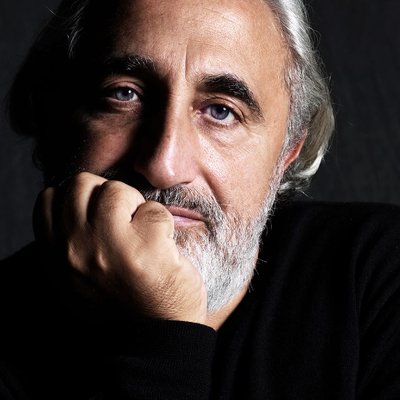
I have a dream. I dream of a day when men in the West will find their spines and testicles, and rise up against parasitized suicidal empathy. I dream of a day when the populace will rise up against parasitic taxation whereby a large chunk of an individual's hard-earned money is stolen. I dream of a day when universities recommit to intellectual enrichment void of ideological activism. I dream of a day when people recognize that all religions are not equally congruent with our liberties and freedoms. I dream of a day when our grandchildren will live in freer societies than those of our grandparents. I dream of a day when people who fail to recognize the two phenotypes (male and female) are laughed out of public discourse. I dream of a day when every single person who adheres to a religious ideology that wishes to exterminate us is removed from our midst. Freedom and truth are the ideals from which all else that is good flows. I have a dream.

Tim Finley retweeted

Amazon founder Jeff Bezos has a surprising theory about the "confidence" behind great founders: it might not be confidence at all.
When the idea of confidence comes up, Bezos offers a different explanation:
"You say it's confidence, but maybe it's just trying to compensate for that... accepting that that's a human bias and trying to compensate against it."
So what is the bias?
"I think it's generally human nature to overestimate risk and underestimate opportunity."
Your instincts don't just make the risks look bigger than they are. They also make the opportunities look smaller than they are. Both errors push you in the same direction: toward doing less.
Bezos's correction:
"The risks are probably not as big as you perceive and the opportunities may be bigger than you perceive."
This is why he says entrepreneurs "would be well advised to try and bias against that piece of human nature."
Seen this way, the founder who looks fearless may not have a different personality from you.
They may simply have accepted that their instincts are tilted and learned to adjust for it on purpose. That's not a trait you're born with. It's a correction you can choose to make.
And if you don't make it, @JeffBezos warns there's a cost:
"Thinking small is a self-fulfilling prophecy."
Let the bias set your ambitions, and you'll get small results that seem to prove small was all that was possible.
Tim Finley retweeted

Chamath talks about how he uses customized AI agents and skills for his own life and work.
- a Nash equilibrium AI agent for his high-stakes negotiations
- a personal AI world model for major life decisions
- he has effectively built a persistent microservices around a foundation model
----
From "Chamath Palihapitiya" YouTube channel, (link in comment)