

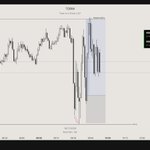





NQ execution is done. Calling it a day. There are always so many areas to improve while waiting for the next opportunity.
Buying People Fear and Selling Their Greed 💎

1
158
One asset. One time window. One mentor. One model at a time.
I'm done jumping between strategies, instruments, and random opportunities. The focus is on mastering one market, understanding one specific trading window, and learning one framework in depth.
The goal isn't to catch every move. It's to develop a repeatable process, backtest 100+ trades, understand the statistics behind the model, and execute it with discipline.
Less noise. More screen time. More data. Better execution.
Consistency comes from repetition, not constant strategy switching.


The hardest part of trading isn't the analysis; it's knowing when to close the laptop. Preserving capital includes preserving your peace of mind.


9
528
my enemies got absolutely destroyed 😂
had fun playing matchmaking, but faceit is still the better choice
ps: and remember to take a break and enjoy other things too. it’s not always about the charts.

3
320
I never liked writing. In fact, ever since childhood, I struggled with it and could never make it a habit.
Over the years, I tried all kinds of digital planners, from Notion to Obsidian, constantly looking for a system that would finally work. None of them ever made much of a difference.
Then, at some point, I simply started writing things down on paper. I had no particular goal in mind and was not trying to build a new habit. I just did it, and gradually it became part of my everyday life.
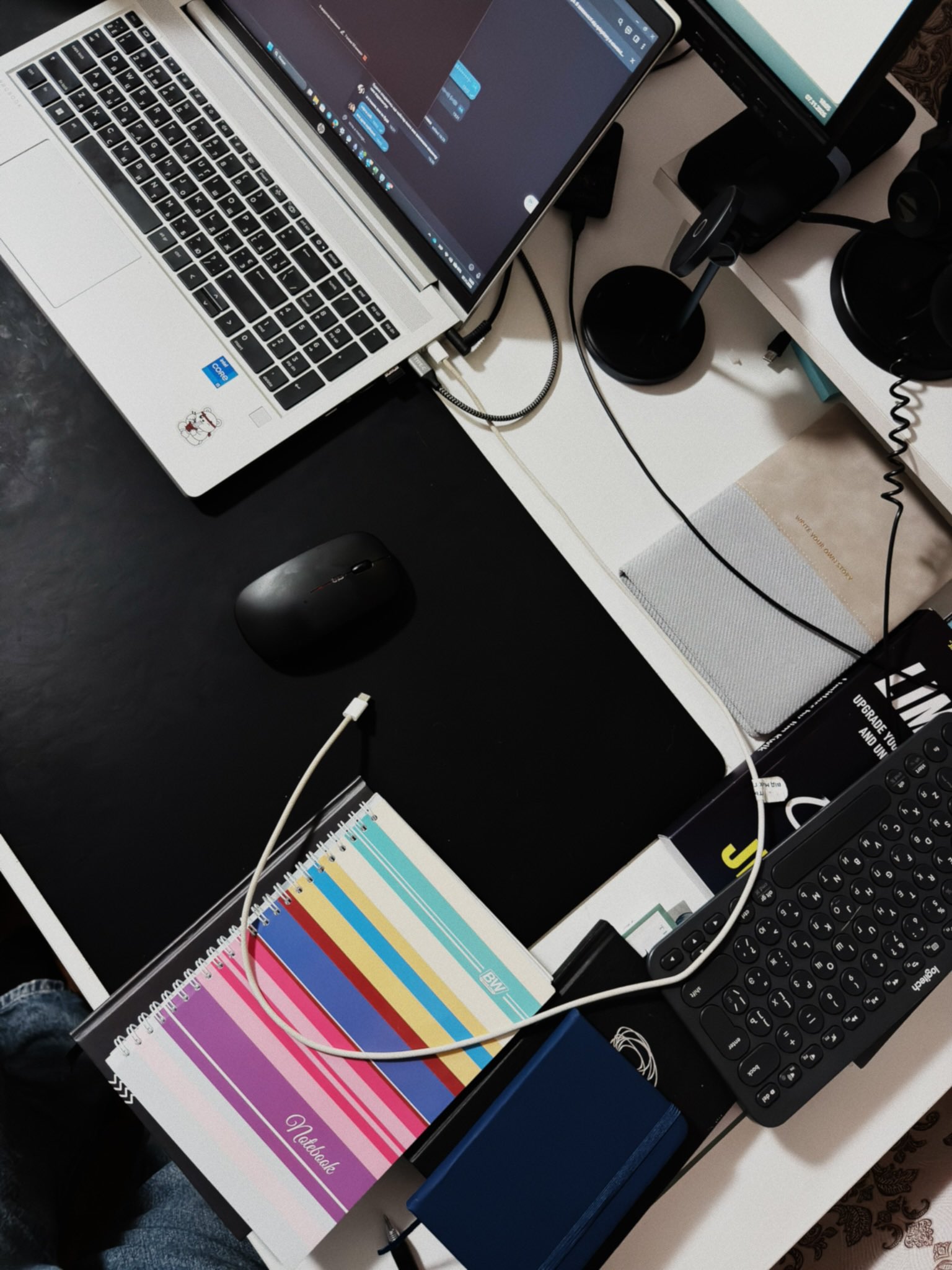
Today, I cannot imagine planning my day without a notebook. My desk is covered with them, filled with plans, thoughts, ideas, crossed-out sentences and everything else that would otherwise stay in my head.
I spent years trying to find the right tool, only to realise that what worked best was the simplest thing all along: a pen and a piece of paper.
5
395
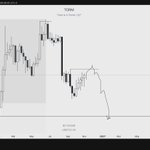
NQ +2.2R
After taking the HTF key level, I entered short and held the position overnight for the first time in a long while.

1
2
331

Of course, this may contradict the competitive nature of the markets themselves.
But I think there’s a distinction between competing in the markets and competing with each other as traders.
We all have our own goals, approaches and definitions of success. There’s enough room to respect different paths without having to measure them against our own. 🖤
1
215
DAX.
It’s been a while since I last traded, and today offered a great opportunity. I have to say, I’ve always felt a special connection to indices.

1
311
Life & Trading
I started trading in 2024. I wanted a skill that would let me earn on my own terms. Until then, I had made decent money from crypto airdrops and retroactive rewards, but I wanted something that was truly mine.
Summer 2024. Zero group, MT, euphoria, rose-colored glasses. I thought I knew where I was going. I had no idea how much I would lose along the way.
2025 was exhausting. No consistent results, no formal job, and a growing belief that trading was all I needed. I kept telling myself that everything else could wait.
By late 2025, things finally started to change. I began seeing consistent results, and somewhere along the way, I realized I wanted a life outside the charts, too.
In April 2026, I got a job.
200 hours a month. Twelve-hour shifts. Burning eyes, constant fatigue, barely any time for myself. My trading suffered. I blew accounts. After spending so long trying to make it as a trader, I found myself struggling to keep both my work and my trading alive.
Six months later, I became a Team Lead, taking on real responsibility for a team, its performance, and the people behind it. At the same time, I started passing prop firm challenges.
Sometimes I think about the person I was in 2024. How badly he wanted this. How much of his life he was willing to put on hold for a future he couldn’t guarantee.
I wish I could tell him to be patient. To stop treating every day without progress as a wasted day. To understand that he is allowed to have a life while he figures things out.
I think a lot of us forget that.
We spend years chasing the freedom trading promises us, sometimes building a life in which we have no freedom at all. No time, no energy, no peace of mind. Just charts, expectations, and the feeling that we haven’t done enough yet.
If you’re in that place, please be honest with yourself. Look at your life as it is today. Are you okay with it? Can you keep living this way for another year? What are you sacrificing, and what are you getting in return?
I still want to make it as a trader. I probably always will. But I don’t want to look back at my twenties and realize I spent them waiting for my life to begin.
I’m still figuring it out. I have a long way to go.
I just hope I never become so obsessed with the life I want to build that I forget to live the one I already have.
Today’s execution. I rarely take trades during the London session, so one session is enough, IMO. I’m glad the opportunity was there, but my focus remains on NYO.
Less is more. Always.

1
3
373

Autumn walk 🍂
To keep losing periods from affecting your life outside trading, treat them as learning periods.
This reduces emotional pressure and helps you stay systematic and constructive.


2
278
torm ✶ retweeted
FOMO, over-leveraging, and overtrading aren’t problems that get fixed by trying harder or “being more disciplined.”
They get fixed by understanding something most traders refuse to accept.
The only real way to make serious money in these markets is by having more capital. Not by forcing bigger wins on a small account. Not by taking higher risk. Not by trying to turn every setup into a home run.
Once you actually understand this, a lot of things stop making sense to do.
You stop moving your stop to breakeven because you’re scared of a small pullback.
You stop revenge trading after a loss, because you no longer treat every single trade as your last chance.
You stop over-leveraging, because you realize that blowing up your account just to make money faster is the fastest way to stay small forever.
Risk-reward and more capital solve what discipline alone cannot.
Most people will keep chasing the next big trade on a small account while telling themselves they just need to “lock in” and be more disciplined. They won’t understand why they keep repeating the same cycle.
But the ones who do understand this eventually stop fighting themselves.
And that’s when the game actually starts to change.


