

We are the Vector Biology & Disease Group @UofGlasgow studying vectors & their pathogens. @UofG_SBOHVM @CVRinfo @UofGSii @UofGChem @GlasgowCS @UofGSciEng
- Tweets474
- Following193
- Followers780
- Likes5

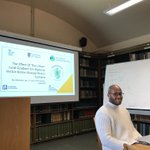


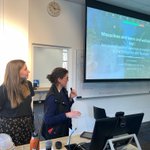


ALT A Cryptic Mosquito on the East African Coast Meet Sophia Mwinyi, a Research Scientist at Ifakara Health Institute and a PhD student at the University of Glasgow. Sophia is exploring the genomes of malaria vectors and uncovering key insights into their distribution.

ALT Identifying the Pwani Molecular Form Using open-access data available through the Vector Observatory, Sophia and colleagues have recently uncovered a cryptic taxon within the Anopheles gambiae complex along the coasts of Kenya and Tanzania. This taxon could play a role in malaria transmission during the dry season when freshwater mosquitoes decline.

ALT Collaboration and Growth Sophia participated in the inaugural MalariaGEN-PAMCA training course and later became a tutor. You learn more by teaching others. Sometimes you realise you don’t understand a concept as well as you thought, and you have to dig deeper.

ALT Beyond Genomics Sophia’s PhD focuses on key biological threats to malaria control, including insecticide resistance, rapid diagnostic test failure, and invasive species. Her work bridges science and public health to support malaria control strategies.


