
Trance Blues. Dark Country.
Brooklyn
Joined December 2007
- Tweets7.6K
- Following1.4K
- Followers1.1K
- Likes19.1K




Frank Magnolia ⚡️ retweeted

if you've never listened to Charles Mingus, recommending any of these albums as a great place to start in his impressive catalog.


Frank Magnolia ⚡️ retweeted

Rebecca Lovell of #LarkinPoe 🎶"John The Revelator" (Blind Willie Johnson)





Frank Magnolia ⚡️ retweeted

Bought Thomas Pynchon’s Shadow Ticket today at my local indie bookseller (if I can say that without being accused of virtue signaling).
Frank Magnolia ⚡️ retweeted

On this day 35 years ago, the world lost the great Stevie Ray Vaughan. His legacy continues to inspire generations.
bluesrockreview.com/2025/08/…

Frank Magnolia ⚡️ retweeted

Remembering the great Alice Coltrane who was born on this day in 1937. An accomplished pianist and one of the few harpists in the history of jazz, Coltrane was also one of the foremost exponents of spiritual jazz. Her eclectic music proved widely influential both within and outside the world of jazz.
She was married to jazz saxophonist and composer John Coltrane, with whom she performed in 1966–1967. Alice Coltrane recorded many albums as a bandleader, beginning in the late 1960s and early 1970s for Impulse! and other major record labels.
Here, she is performing “A Love Supreme” with Ravi Coltrane on saxophone, Reggie Workman on bass and Roy Haynes on drums live in Poland, 1987.


Frank Magnolia ⚡️ retweeted
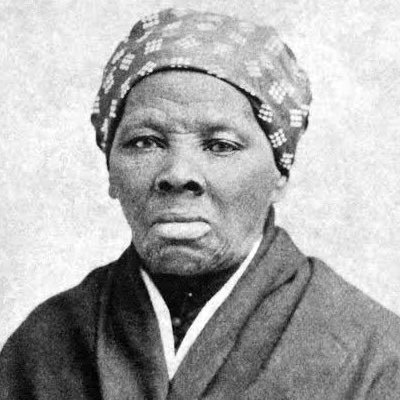
"In the Heat of the Night" was released in August 1967.
Sidney Poitier insisted that the movie be filmed in the North because of an incident in which he and Harry Belafonte were almost killed by Ku Klux Klansmen during a visit to Mississippi. That's why Sparta, Illinois, was chosen for location filming. Nevertheless, the filmmakers and actors did venture briefly into Tennessee for the outdoor scenes at the cotton plantation, because there was no similar cotton plantation in Illinois that could be used.
Poitier slept with a gun under his pillow during production in Tennessee. He did receive threats from local racist thugs, so the shoot was cut short and production returned to Illinois.
The story was set in a hot Mississippi summer, but filmed during autumn in Illinois, many of the actors had to keep ice chips in their mouths (and spit them out before takes) to prevent their breath from appearing on camera during the night scenes.
Several scenes in the film of Virgil and Gillespie facing each other were shot over Sidney Poitier's shoulder, looking down at Rod Steiger, emphasizing the 4 1/2 inch difference in their heights, and giving Virgil a subtle feeling of superiority.
This was the first major Hollywood film in color that was lit with proper consideration for an actor with dark skin. Haskell Wexler recognized that standard lighting used in filming produced too much glare on most black actors and others of dark complexion. He toned down the lighting to feature Poitier with better results.


Frank Magnolia ⚡️ retweeted

“A gentleman is someone who can play
the accordion, but doesn't.”
― Tom Waits

Frank Magnolia ⚡️ retweeted
Bruce Springsteen’s “Born In The U.S.A.” has jumped into the Top 30 on the U.S. iTunes Song Chart, the 41st consecutive year of people not listening to the lyrics.

Frank Magnolia ⚡️ retweeted
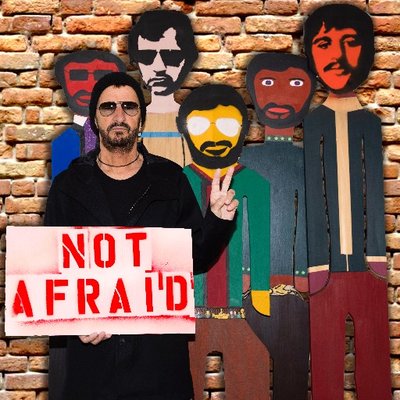
This is a little reminder that my birthday on Monday 7.7.25. And I asked at noon if you can give peace and love, peace, and love everybody. peace and love Ringo. 😎✌️🌟❤️🎶🍒🥦🌈☮️
Frank Magnolia ⚡️ retweeted
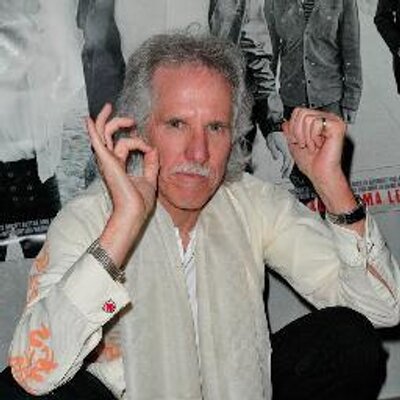
Remembering the great @johnLeeHooker - one of the true giants of the Blues.
We played his song “Crawling King Snake” long before we ever recorded it for L.A. Woman. Jim was always drawn to that deep, hypnotic groove John Lee had.

Frank Magnolia ⚡️ retweeted

Lemmy statue to be unveiled in hometown bbc.in/4m3fPnK
