

Content marketer, health writer, founder of Celiac Self-Care newsletter
New York, NY
Joined April 2009
- Tweets3.1K
- Following959
- Followers1.1K
- Likes3K





Christina Heiser retweeted

Green your fitness routine with these #sustainable athletic sneakers from @Nike, @Reebok, @on_running, and more. They're good for your workouts and the planet, writes @xtinaph. asweatlife.com/2022/01/susta…

I interviewed @AmandaMGoetz for my latest newsletter! Learn she how she balances life as an entrepreneur, motherhood, and managing celiac disease.
celiacselfcare.christinaheis…

Participating in Dry January? I put together a guide to how quitting drinking can improve your gut health, tips for making the most of a dry month, and recommendations for a few of my new fave gluten-free NA drinks. Head to my link in bio to read the full post!

Christina Heiser retweeted
Chronic illness burnout is real. Writer @xtinaph asked mental health professionals for their best tips on dealing with it. asweatlife.com/2021/09/medic…

I’m counting down my top 10 most popular celiac newsletters of the year, from my deep dive into whether sourdough bread is gluten-free to my guide to dating with celiac to my essay on how quitting drinking improved my life. Catch up at my link in bio!

My gluten-free label reading guide is live! I explain how to tell if a packaged food in the US is gluten-free/celiac-safe, the top gluten red flags to look for, and which ingredients are commonly thought to contain gluten but actually don’t.

The amount of times I have to explain to people in online celiac groups that gluten can’t be absorbed through the skin and their beauty products are NOT to blame for their skin reaction is astounding 🤦🏻♀️
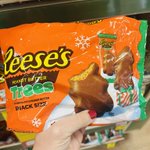
PSA: The Reese’s holiday shapes ARE gluten-free and you CAN eat them if you have celiac disease. There’s a myth circulating that the holiday shapes aren’t gluten-free because they don’t have a gluten-free label—but it’s recently been debunked by a few celiac dietitians.


Plus, those who’ve reached out to Hershey for more info have been told that the reason they don’t add the GF label to the holiday shapes is that it would be cost prohibitive since this is a seasonal item.
What’s more, Gluten-Free Watchdog commissioned a test and found that the trees specifically contain less than 5 ppm of gluten (20 ppm is the limit allowed in GF foods). There are no gluten-containing ingredients in this product.
The moral of the story? Don’t believe everything you read on social media. Get good at reading labels, doing your researching from trusted sources, and contact the manufacturer for more information if you’re not sure if something is gluten-free or celiac-safe.
In writing up my guide to gluten-free label reading for next week, I wanted to share an example of a product sold in the US that is labeled gluten-free but not deemed celiac-safe by experts. How can this be?


Because of this risk of, at this time experts advise to only eat oat products that are certified gluten-free (which means they’ve been tested by a third party and verified to contain less than 20 ppm of gluten) or explicitly state gluten-free oats in the ingredients.