

India Modern Monetary Theory, initiative of Rajendra Rasu, Research Fellow, Global Institute for Sustainable Prosperity https://teapawt.net/t.co/dMaPDUMEZP
Chennai, India
Joined December 2018
- Tweets15.9K
- Following865
- Followers1.2K
- Likes4.1K




Pinned Tweet
Response to Dr Raghuram Rajan's post on monetization, in consultation with Warren Mosler @wbmosler in his words:
Raghuram Rajan: monetization is neither a game changer in stressed times nor a catastrophe. It helps a little at the margin.
1/n

Raghuram Rajan, the quintessential central banker-professor, is back.
Explains the process and consequences of monetisation in detail in a LinkedIn post.
“Monetisation Is Neither A Game Changer Nor A Catastrophe.”
His views explained below 👇🏽
bloombergquint.com/coronavir…
Health Insurance Sum Assured is slashed drastically to promote new policies with multifold increase in the premium, which is hidden in the add-ons.
Urgent intervention is needed on war-footing in this time of sky-high prices!
@narendramodi @nsitharaman @RahulGandhi #irdai

I had a long conversation with #IRDAI chairman Mr Ajay Seth on the consultation paper put out by the regulator on #TheGrowwingIndiaPodcast.
My takeaway is this:
1. The regulator wants the industry to cut costs.
2. Become more efficient.
3. Increase transparency.
4. Make competition work for the policyholder.
5. This is not the last step. This is the first step.
6. He is asking public and policyholders to respond to the paper in any manner they can. The QR code is at 49:36.
Insurance cannot remain a high-cost, distribution-led business.
It must become a consumer-first industry that delivers value when people need it most.
He frames the paper in the context of what the Parliament of India has charged the regulator to implement through the Sabka Bima Sabki Raksha Act, 2025.
The podcast is in collaboration with @_groww
youtube.com/watch?v=oyKPM23V…

Excellent questions Lt Gen!
LOP @RahulGandhi is great in exposing the faults, but people look for convincing, proven policies from him.
That can be proven only in the states ruled by @INCIndia
After all, country's downward journey started during congress regime.


“The real question is whether the opposition can translate growing public concerns into a coherent political alternative. Can it articulate a credible economic vision? Can its parties manage their differences? Can it defend constitutional institutions without appearing consumed by procedural disputes? Can it persuade citizens who are disappointed with the government but unconvinced by the opposition? Above all, can it restore the belief that politics is ultimately about improving the lives of ordinary people?”
sanjayjhabombay.substack.com…
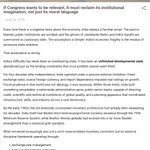
If Congress wants to be relevant, it must reclaim its institutional imagination, not just its moral language
poornomore.in/2026/01/indias…
Carlos, you have touched upon the fundamental issue in governing India and China!
I'm trying to find a solution to this in my own way and the Resource Standard is an outcome of that.
The party system, which is also the government, in China ensures that a cadre delivers
1/

The Economist inadvertently says something interesting about the difference between capitalist and socialist democracy.
“India’s political class should consider itself lucky. In next-door China, the Communist Party has to do something much more difficult than winning elections. China’s social contract requires the state to consistently raise living standards, the quality of life and national power in exchange for which citizens keep their noses out of politics. All Indian politicians have to do is to feign interest in their constituents once every five years. Yet instead of accepting this sweetheart deal, Mr Modi’s government is doubling down by suppressing protests that are attempting to enforce it.”
Having studied the Chinese political system and having travelled to China many times, I can say with some confidence that “citizens keeping their noses out of politics” is very much not an ambition of the CPC. There are extensive, growing networks of grassroots democracy. What is true, however, is that the government is expected to deliver for the needs of the people.
Meanwhile, the right to elect people who “feign interest in their constituents” is not actually that important to the hundreds of millions of Indians who live in desperate poverty. I am in New Delhi right now. It’s in many ways a delightful city, but the levels of poverty and inequality – along with the general dysfunction, political repression and religious/caste prejudice – are heartbreaking.
It may be tough to swallow, but the fact is that China is substantially more democratic than the capitalist countries.
economist.com/asia/2026/10/1…

China Has Too Much Productive Capacity. The World Should Be Asking a Different Question
5/
poornomore.in/2026/08/china-…
Why Are World Leaders Not Asking the Most Important Economic Question of Our Time?
How Did China Build So Much, So Fast - And Why Does Almost Nobody Want to Discuss the Real Mechanism?
6/
poornomore.in/2026/05/why-ar…
"It risks undermining national security. The Indian Army is not an experimental employment scheme"
How do they dare to play with the national security and get away? As a society, Indians should be the most timid.
When government is not fiscally constrained, why do we do this?


Having risen through the ranks and served the Indian Army for 28 years, including as a Recruitment Selection Officer and Training Officer in an Army Training Regiment, I have personally selected and trained thousands of Indian Army soldiers.
I firmly believe the earlier recruitment system was time tested, professionally structured and well designed to ensure operational effectiveness, preserve regimental ethos and provide career progression for our Jawans.
With due respect, extending the Agniveer scheme for two more years does not address its fundamental flaws. It risks undermining national security, operationalreadiness, combat experience and the long term career aspirations of our soldiers.
The Indian Army is not an experimental employment scheme. It is a professional fighting force built on experience, continuity, competence and commitment.
National security must always come first. Our Jawans deserve a career, not uncertainty.
#Agnipath #Agniveer
@narendramodi
@PMOIndia
@adgpi
@rajnathsingh
With the onset of computerisation and 24x7 connectivity, both the opportunities and consolidation of power was visible to people. So, they look up to a savior, rather than institutions for solution.
Institutions represent the collective. Institutions hold the answer, rathar
1/

Post-2010, the world witnessed a renewed fascination with strongman politics. People were persuaded to believe that democracy was slowing down progress and that one powerful leader could solve all their problems.
They placed their faith in leaders who considered themselves bigger than institutions and promised national greatness, prosperity and global dominance. Instead, what followed was the erosion of democratic institutions, repression of rights, wars and economic turmoil.
Recent political trends suggest that this faith in strongman politics is beginning to unravel. People are realising that concentrating power in one individual who claims to be strong does not necessarily make a nation stronger. They are rediscovering the value of democratic freedoms, accountability and the institutions they once took for granted.
More importantly, they are beginning to question what national greatness really means. Before promises of global dominance, people want something far more fundamental: economic stability, an affordable cost of living, and accountability from those in power.
Protest is the basic fundamental right of the citizens!
British would have continued to rule India forever without the protest!
Is that what CJI wishes for India?
The most horrible comment!

#BREAKING Supreme Court says the right to protest cannot mean occupying a designated protest site indefinitely and denying others the same right.
CJI Surya Kant says farmers, workers, trade unions and the homeless also have a right to protest, and sites must be allotted for identified periods.
The Court also stresses the need to balance the right to protest with the right to trade and earn a livelihood, particularly that of daily-wage workers.
#DelhiProtests @Cockroachisback #DelhiProtest

Like India, like Tamilnadu!
At this rate, we'll taken back by few decades!
Anyhow, election only matters; who cares about governance.
Bottle, 10 rupees, MISA and arrests should only be topic of national importance. 👏👏👏

காலையில் கடந்து வந்த இரு செய்திகள்:
1) GST வருவாய் வளர்ச்சியில் தேசிய சராசரிக்கும் கீழே த.வெ.க. ஆட்சியில் தமிழ்நாட்டின் வளர்ச்சி புதைக்கப்பட்டிருக்கிறது.
2) தமிழ்நாட்டுக்கு வர வேண்டிய 1,614 கோடி ரூபாய் கொரிய முதலீடுகள் த.வெ.க. அரசின் அலட்சியத்தால் ஆந்திராவுக்குச் சென்றுவிட்டன. முதலீடுகளை ஈர்த்து தமிழ்நாட்டுக்குப் பெருமை சேர்த்த @Guidance_TN அமைப்பே இந்த ஆட்சியில் தனிநபர்களின் ego-வுக்கு காவு கொடுக்கப்பட்டுவிட்டது.
எல்லாத் துறைகளிலும் இவ்வளவு வேகமாக Reverse Gear-இல் செல்வது எப்படி என இவர்களிடம்தான் கற்றுக்கொள்ள வேண்டும்.
இதுவெல்லாம் என்னவென்றே புரியாத, தெரியாத நம் முதலமைச்சரோ இடைத்தேர்தல் நடக்கும் தொகுதிகளில் கையசைத்து show காட்டக் கிளம்பிவிட்டார்.
Brace for tough times. Tamil Nadu is doomed under the TVK government.
#TVKfails #KIA #Hyundai #AndhraPradesh #Automobiles @nidhi_sharma


தந்தை பெரியாரின் சுயமரியாதை முழக்கமே, அவரின் ஈர்ப்பிற்கு தலையாயது.
திருமணம் என்பது இரு adult இணையும் நிகழ்வு. இருவரின் முடிவு எடுக்கும் உரிமையும், சுயமரியாதையும் சார்ந்தது.


Sir, it is obvious this govt is lacking the expertise.
But, the @arivalayam govt should have put in place structures in place which would have made the growth in a kind of auto mode, for example bringing the 79.2 lakh NREGA workers permanently into productive force.


பொருளாதார வளர்ச்சியில் இந்தியாவின் முதன்மையான மாநிலங்களில் ஒன்றாக இருந்த தமிழ்நாடு தவெக ஆட்சியில் தொடர்ந்து சரிவைச் சந்தித்துக் கொண்டிருப்பது கவலை அளிக்கிற்து.
அக்டோபர் மாத ஜிஎஸ்டி வரி வருவாயில்,கேரளா 23%, ஆந்திரா 24%, கர்நாடகா 18%, தெலுங்கானா 14% என அண்டை மாநிலங்கள் இரட்டை இலக்கத்தில் வளர, தமிழ்நாடு வெறும் 3% வளர்ச்சியோடு பின்தங்கியுள்ளது.
தமிழ்நாட்டில் இறக்குமதி செய்யப்படும் சில முக்கிய பொருட்களில் இருந்து பெறப்படும் வரியால், மாநிலத்தின் மொத்த வரிவருவாயில் ஓரளவு உயர்வு காணப்பட்டாலும், நமது சொந்த உற்பத்தியின் மூலம் ஈட்டப்படும் வரி வருவாய் குறைந்தே வருகின்றது. இது மாநிலத்தில் நிலவும் ஒட்டுமொத்த பொருளாதார தேக்க நிலையின் அளவீடாகக் கருதப்படவேண்டியது என்பதனை தவெக அரசிற்குச் சுட்டிக்காட்ட விரும்புகின்றேன்.
எனவே, இறக்குமதி ஆகும் பொருட்களின் மீதான வருவாயை மட்டும் நம்பியிராமல், நமது சொந்த உற்பத்தியினைப் பெருக்கி வெளிமாநிலங்களுக்கும் வெளிநாடுகளுக்கும் விற்பனையை அதிகரிக்கவும், அதன் வாயிலாக தமிழ்நாட்டின் ஒட்டு மொத்த பொருளாதாரத்தையும் நமது இளைஞர்களுக்கான வேலை வாய்ப்புகளையும் உயர்த்துவதற்குமான வழிவகைகளை தவெக அரசு உடனடியாகக் காண வேண்டுமெனவும் வலியுறுத்துகின்றேன்.
It is concerning that Tamil Nadu, once among India’s leading states in economic growth, continues to witness a decline under the TVK government.
In October’s GST revenue, neighbouring states recorded double digit growth, with Kerala at 23%, Andhra Pradesh at 24%, Karnataka at 18%, and Telangana at 14%, while Tamil Nadu lagged behind with just 3% growth.
Although taxes collected on certain key goods imported into Tamil Nadu have contributed to a modest increase in the state’s overall tax revenue, revenue generated from our own production continues to decline. I wish to point out to the TVK government that this must be viewed as an indicator of the broader economic stagnation prevailing in the state.
I therefore urge the TVK government to take immediate steps to increase domestic production and expand sales to other states and overseas markets, instead of relying solely on revenue from imported goods. This is essential to strengthen Tamil Nadu’s overall economy and create more employment opportunities for our young people.


Most of India lives in villages. Working age population is 105 Cr. Formal sector employs less than 10 Cr and informal sector 40 Cr. Large industries doesn't hold the solution. India should have opened the enormous spending space like China, but the misdirection started in 90s


India’s prime minister could learn a lesson from Xi Jinping’s China: countries must work fast to grow rich before they get old. Unfortunately, the structure of India’s economy is changing too slowly economist.com/leaders/2026/1…

"This will only change when we develop the same nationalist spirit"
No, Sir.
This will only change when we could sell at lower prices.
For that, political will is what is needed, to construct supply at marginal cost of production. That is what China does!


"I used to tell the Prime Minister that we cannot join the RCEP trade bloc. We will die"
Export everything we produce - yes, we'll die then.
Exports deplete and imports increase the pile of goods available for consumption.
poornomore.in/2026/01/free-t…
What is an economy? What is to be measured? If it is not about the economic status of the entire mass of people, including the living status of the last person, why should it be a national number?
poornomore.in/2026/09/gdp-gr…

My statement has been twisted.
People on Twitter know how much importance I give to data and analysis, and how I try to go beyond headline numbers.
What I was trying to convey is that even without any detailed data or analysis, the simple fact that our GDP per capita is only about $2,800 shows poverty should still be significant in our country.
A country with a meagre per capita income of $2,800, coupled with huge inequality, is a long way from becoming poverty free.