

Outside/fractional general counsel services and commercial litigation.
Miami, FL
Joined August 2023
- Tweets248
- Following72
- Followers1K
- Likes395


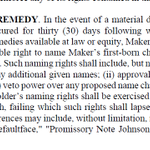




Auto-renewal clauses usually run off a notice deadline, not the renewal date, so calendar the deadline the day you sign. The vendor is already tracking it.
“Green logos are an issue at this point”


It’s been a weil since a *real* big law firm dissolved. Dewey & LeBoeuf was diff. The two merged in 2007 and filed BK in 2012. Each firm was arguably regional / big law adjacent. Weil is an old guard juggernaut formed in 1931. They were a first mover wall st firm that survived the Great Depression - but couldn’t get thru 2026. Green logos are a huge issue at this point. First Hogan, then Weil. Orrick - tread lightly.
From what I’ve heard, Weil did not prioritize associate perks and their black box comp was bleh. They’d been floundering for a few years in the war on talent. That said, their PPP was totally healthy - around 6 mil per partner. Classic rainmaker model. A house of cards.
Law is incredibly portable - which is one of its bright spots. Get a new laptop and go. Your clients and teams often follow.
Weil was usually on the winning side of this. Until like 5 days ago. And it’s a white flag effort.
Shocked to see a dissolution in a record year.
Will report back - have feelers out

Margolis PLLC retweeted

Referring clients to @MargolisPLLC has been a 10/10 experience. Quick to review, respond, and connect with the client. Haven't had to follow up once. Nothing worse than having to harass an attorney that I'm referring a case to (with no fee)


Margolis PLLC retweeted

Hiring for our FL office. Would be part of our fractional general counsel practice. Looking for 3-5 years of experience + FL licensed. Preference for in-house and L&E experience.

A few things that regularly come up during buy-side:
- Key customer contracts have change-of-control provisions that let them walk post-close
- "Recurring revenue" includes customers who haven't actually paid in months
- Random contractors with no contract in place
Margolis PLLC retweeted

After working on dozens of matters together for almost 3 years, FINALLY met @ItsMattsLaw in person. Ate entirely too much sushi, but was an awesome time. @franchise_firm @MargolisPLLC


The side with better documentation almost always has more leverage in commercial litigation. Emails confirming scope changes, written approvals, signed amendments. Keep good records.
Three things to check in every commercial contract: indemnification scope, liability cap carve-outs, and termination-for-cause mechanics. The downside provisions are the ones that actually matter.
Buy-side due diligence surprises: change-of-control clauses that let key customers walk, missing IP assignments in employee agreements, "recurring revenue" from customers who haven't paid in months. The details matter.
Buy-side M&A tip: the LOI is where you set your diligence leverage. Exclusivity terms, breakup fees, diligence windows.
We marked as “Safe” from the DOJ Insider Trading case today

So which Big Law firms leaked in the huge Insider Trading Gang case? Went through cross-referencing and believe I've identified Latham, Goodwin, Willkie Farr, Sidley Austin, Weil Gotshal, and Wachtell. Stunning array of very expensive lawyers. justice.gov/usao-ma/pr/thirt…

You agreed to resolve disputes in the vendor's home state under their preferred arbitration rules.
That's fine when things are going well.
When things aren't going well, you just agreed to fight on their home court, with their ref, under their rules.
Arbitration sounds efficient until you realize:
Limited discovery (can't get the documents you need)
No jury (no sympathetic audience)
Typically no appeal (one shot, final answer)
It's not always bad. But it's not always better. Know what you're agreeing to.