



MAKE PEACE NOT WAR retweeted

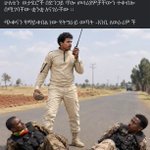
ዘይተገማቲ ሰብ ኹን✍️
ተክላይ ገ/መድህንን ዶ/ር ፍስሃ ሃፍተፅዮን ኣብ ጎደናታት ሓዱሽ ኣበባ። ኣቱም ኣብ በረኻ ዘለኹም ኣሕዋትና ምንባር ጥዑም ምኳኑ እዚ ፎቶ እኹል እዩ።

MAKE PEACE NOT WAR retweeted

#Ethiopia:
The End of an Era in Tigray, The TPLF’s Organizational Death Is No Longer a Prediction, it is a reality.
The extraordinary speed of the TPLF’s political and military disintegration is becoming one of the most consequential developments in Tigray’s recent history. In barely five weeks, an organization that dominated the region for decades has witnessed the collapse of its military cohesion, political authority, and institutional foundations.
Major General Yohannes Weldegeorgis (John Medid), a prominent member of the military central command and commander of the southern front, is now in federal custody. According to my sources, more than 20 Central Committee members and several senior Politburo officials have distanced themselves from the war. The escape of former interim president Lieutenant General Tadesse Werede and senior intelligence officer Colonel Tewolde Embeb from TPLF detention further illustrates the fragmentation of its leadership.
How did such an entrenched organization accelerate its own destruction?
In the previous 4 years, a narrow circle of politico-military hardliners transformed factionalism into organizational suicide. Their proclaimed Alliance for Survival was an exercise in political vanity, built on grandiose ambitions without credible military coordination or a realistic political endgame. Technological asymmetry, particularly drone-supported operations, compounded their strategic failures.
But the most decisive factor was their profound misreading of Tigrayan society. This is not the war of 2020. After years of devastating conflict, displacement, and forced recruitment, the population’s exhaustion and demand for peace have fundamentally altered the political landscape. The seemingly favorable reception of Tigray Peace Forces in several areas, alongside reports of comparatively disciplined ENDF conduct toward civilians, presents a striking contrast to the previous war, although these accounts require continued scrutiny.
Meanwhile, the caretaker administration has begun restructuring the grassroots administrative networks through which the TPLF maintained its political and socioeconomic dominance for decades. This strikes at the very backbone of its organizational survival.
Yet some of its remaining defenders, including voices that once fiercely opposed the party, appear determined to substitute manufactured battlefield victories and social media theatrics for political reality. Their difficulty accepting the unfolding transformation reflects a deeper failure to understand the changing sentiments and aspirations of Tigrayan society.
Digital militancy cannot substitute for popular legitimacy. Political nostalgia cannot resurrect collapsing institutions.
The TPLF may retain loyalists and few armed remnants, but its decades-old political-military monopoly is rapidly disintegrating. In my assessment, its organizational death as Tigray’s dominant political order is no longer a distant possibility. It is unfolding before our eyes.
The historic opportunity now is not merely to end one organization’s dominance, but to build a political order founded on peace, accountability, democratic representation, and genuine popular sovereignty. Tigray does not belong to the TPLF, its successors, or any political establishment. Its future belongs exclusively to its people.

MAKE PEACE NOT WAR retweeted
Election of interim administrators progressing well across Tigray.
Today, Bizet Woreda in Agame elected its administrators:
Kebede Yohannes – Administrator
Hadush Tiku – Security
Tesfaalem Meareg – Social Affairs
Gebregiorgis Meles – Finance
Meareg Hailemariam – Agriculture

MAKE PEACE NOT WAR retweeted
ልዩ ቆይታ ከጃዋር መሃመድ - በወቅታዊ ጉዳዮች! youtube.com/live/1e9TMEAQobA… via @YouTube


MAKE PEACE NOT WAR retweeted

General Abraha, widely known as Dnkool, one of the top army commanders of the TPLF, has surrendered to the Ethiopian National Defense Force (ENDF) and the Tigray Peace Force (TPF).
The surrender of General Dnkool marks another devastating blow to the TPLF, following the surrender of General John Medid on Monday.
Meanwhile, joint ENDF and TPF forces have continued mopping-up operations along the Ethiopia-Eritrea border, targeting remaining TPLF elements.
"Once led by Eritrean mercenaries disguised as Ethiopians from Tigray, TPLF leaders such as Meles Zenawi and his successors played a decisive role in leaving Ethiopia landlocked while establishing Eritrea as a sovereign power over the entire Red Sea coast."
"But things may not remain that way. With a population of 140 million and growing, Ethiopia cannot afford to survive without reclaiming the Red Sea, which regards its natural frontier.
A new generation of Eritreans, organized under Brigade Nhamedu and deeply determined to uproot the autocratic regime of Isaias Afwerki, is committed to partnering with Ethiopia to achieve peaceful coexistence and mutual economic benefits."
🤖 Made with AI


MAKE PEACE NOT WAR retweeted

🤔እዚኦምዶ ተገፊዖም ክድፍኡነይርዎም ⁉️
ሰምዕዎ ወለዶ ክተኻኻእ አለዎ
ሰልጣን ርሰቲ አይኮነን
#ህዝቢትግራይኩሉ ተጋዳላይ እዩ
#TDF እየ #TPF እየ ኢልኩም አይትመፃደቑልና ሰርዓት ሓዙ
☝️☝️☝️ህዝብኹም አኽብሩ‼️‼️‼️


MAKE PEACE NOT WAR retweeted
The political and moral bankruptcy of the TPLF’s fygitive leadership is becoming more astonishing by the day.
Yesterday, Major General Yohannes Woldegiorgis, widely known as John Medid, one of the most prominent commanders of Tigray’s forces during the devastating war and a member of its central military command, was taken into ENDF custody.
Rather than confronting the magnitude of this development, the TPLF’s remaining faction has branded him a renegade. The irony is extraordinary. A general once entrusted with commanding its forces is suddenly portrayed as a traitor.
The faction’s political disintegration is unfolding at a speed few could have imagined.

The reported laying down of arms by General Yohanes (John Medid,) one of the key military commanders of Tigray’s armed forces that is serving the faction of Debretsion GebreMichael, is far more than another battlefield development. It is a devastating blowback striking at the very heart of the arrogant, self-serving military clique that helped entrench Tigray’s rotten political order. For years, this group confused military might with political legitimacy, wartime heroism with permanent entitlement to power, and the sacrifices of an entire society with a mandate to protect a shrinking circle of TPLF hardliners and predatory economic oligarchs. The political machinery they helped build to perpetuate their dominance is now unraveling under the weight of its own contradictions.

MAKE PEACE NOT WAR retweeted

I want to see Debretsion and Monjorino the same way. The kids, pictured below, conscripted by force seem to be under age. 😢 😢


MAKE PEACE NOT WAR retweeted

ስታሊን: ያዬሰዉ ሽመልስና ቴዲ ሪዮትየመሳሰሉት ከአብይ ጋር ያላቸዉን ጥላቻ ማወራረድ የሚፈልጉት በትግራይ ወጣቶች ህይወት ነዉ😏
Habibi send your own kind or you come to do it by yourself!

MAKE PEACE NOT WAR retweeted

By the final years of the war against the Derg, Eritrean fighters had suffered enormous losses, & Tigrayan-led forces played a decisive role in the regime’s eventual defeat.
Fast-forward to today.
Does the emergence of the so-called seven-group
MAKE PEACE NOT WAR retweeted
As I have consistently argued over the past four years, Tigray has been undergoing a profound societal and political transformation, driven by a deep-rooted demand for change. The nonviolent movement rejecting war, which has pushed the TPLF’s remaining political dominance to the brink in just one month, is neither spontaneous nor an isolated reaction to recent events. Its roots run deep in Tigrayan society, but the devastating experiences of the past four years have fundamentally crystallized this demand for change.
Nearly two years ago, @currentanalyst anticipated much of what is unfolding today. The current developments underscore a fundamental political reality: political power can be maintained through institutional control, but enduring legitimacy cannot survive the withdrawal of societal consent.
Last week, invited as a guest speaker to address #Tigray’s scholars, Professor Medhanie Tadesse, @currentanalyst delivered an incisive analysis of the region’s governance crisis, political transition, and survival. Widely regarded as one of the most prominent scholars in the region, Professor Medhanie presented a deeply strategic and urgent perspective on Tigray’s current challenges. His central argument underscored the need for nuanced understanding and decisive action in the face of a political paralysis that threatens the region’s future.
Professor Medhanie began by addressing Tigray’s broader identity crisis, asserting that the region’s survival depends on resolving existential questions about governance, strategy, and societal unity. “The war has fractured more than just Tigray’s infrastructure; it has fractured its identity,” he said. “Without a shared national consensus on the ‘big problem,’ there can be no viable roadmap for recovery and progress.”
However, Professor Medhanie lamented that this critical explanation has not received the attention it deserves. “The noisy and polarized political climate in Tigray has drowned out essential debates about governance and survival,” he noted, briefly summarizing the core issues to refocus the discourse.
At the heart of his analysis was the rejection of the oversimplified narrative that the current political crisis is merely a power struggle between the Tigray People’s Liberation Front (TPLF) and the interim administration. “Such a characterization is not only misleading but insulting to the people of Tigray,” he stated. “This is not simply about power—it is a broader societal conflict between those who demand change and those who seek to preserve the status quo.”
Professor Medhanie explained that the divide is deeply rooted in Tigray’s history. The youth, scholars, and much of the public are advocating for change, restructuring, and a break from past governance structures. Conversely, others are resisting this transformation, driven by a desire to maintain familiar systems and power dynamics. This irreconcilable competition, he argued, has created conflicting visions of peace and governance, with no clear consensus on the way forward.
Despite the overwhelming demand for transformation, the professor highlighted a critical contradiction: “The central challenge is not just the craving for change but answering where to start, how to start, and how to manage this process effectively.”
He also identified how the crisis has spilled beyond the party, destabilizing Tigray’s army, government, and economy. “We are now witnessing a dangerous deregulation of violence by various actors,” he warned, emphasizing the growing complexity of the conflict.
Professor Medhanie’s critique of Tigray’s leadership was equally pointed. “At its core, this crisis stems from a failure of strategic leadership,” he argued. “The leadership lacks self-awareness, fails to grasp its environment, and has not addressed the evolving demands of its people. This is not just a failure of governance; it is a failure of imagination and vision.”
He further stressed that political transition is not only inevitable but essential for Tigray’s survival. “Nations in crisis must transition to address new realities,” he explained, pointing to the genocide, shifts in security dynamics, and the public’s demands for transformation as driving forces.
In closing, Professor Medhanie framed the crisis as a generational battle for the future of Tigray. “This is a defining moment,” he stated. “It is not merely a political struggle but a deeper conflict.


