

IT, Tech, Tesla FSD, EVs, Travel
Belgium
Joined November 2022
- Tweets283
- Following1.8K
- Followers338
- Likes755


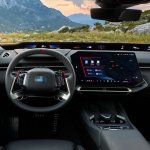



Ironie pur: Deutsche schleppen sich einen chinesischen AUDI E5 (nur für China entwickelt, ohne Ringe) nach Hause, weil die „großartigen“ europäischen Modelle so unattraktiv sind. Audi klagt gegen Importeure, statt konkurrenzfähige Autos für den Heimatmarkt zu bauen.
Währenddessen produziert Tesla in Grünheide bei Berlin echte Autos, beschäftigt über 12.000 Menschen, zahlt regelmäßig Gehaltserhöhungen und stärkt die regionale Wirtschaft – statt nur Markenrechte zu verteidigen.
Europäische Autoindustrie 2026: Grauimporte aus China feiern, während einer der wenigen, der hier tatsächlich baut und Jobs schafft, weiter angefeindet wird.
@teslaeurope
#Audi #ChinaImport #TeslaBerlin #GigaBerlin #EuropäischeAutoindustrie #DeutscheWirtschaft

Même si Mercedes obtient la couronne du « premier en Allemagne » pour le point-à-point avec MB.DRIVE ASSIST PRO, le véritable test sera de savoir si quelqu’un est réellement prêt à payer pour ça.
Leur précédent système pionnier — Drive Pilot, le vrai premier L3 certifié (yeux libres, mains libres) — était limité aux autoroutes, soumis à des restrictions météo et de luminosité, et plafonné en vitesse (initialement environ 60 km/h, puis relevé à 95 km/h sur les Autobahn allemandes). Il coûtait environ 5 950 € en option, ou 2 500 $/an en abonnement aux États-Unis, auquel s’ajoutait un matériel LiDAR coûteux. Plusieurs rapports (Handelsblatt, porte-parole de Mercedes, couverture sectorielle) ont décrit une demande moyenne à faible, un bénéfice réel limité et des coûts élevés. Ils ont cessé de le proposer sur les nouveaux modèles de Classe S et EQS et ont pivoté. Les véhicules capables de L3 représentaient moins de 0,5 % des nouvelles immatriculations en Allemagne début 2025. Ils ne l’ont pas abandonné parce qu’il s’arrachait comme des petits pains.
Le nouveau système est un L2++ (supervisé — le conducteur reste responsable, l’attention est requise, généralement un léger contact ou les mains près du volant). Il est plus polyvalent (point-à-point en ville et sur autoroute) et développé avec NVIDIA sous les règles de l’ONU, avec un accès anticipé fin 2026 à Stuttgart/Munich pour certaines voitures et une ouverture plus large des commandes au premier semestre 2027. Le tarif allemand n’est pas encore finalisé, mais la version américaine tourne autour de 3 950 $ pour trois ans (ou mensuellement), donc on peut s’attendre à une prime significative. Les volumes globaux de Mercedes sont sous pression sur plusieurs marchés clés ; les clients du luxe qui ont déjà un chauffeur ou un bon système L2 existant ne se précipiteront pas forcément pour débloquer un système supervisé payant.
« Premier » sur une scène de relations publiques avec le chancelier et Jensen Huang, c’est de la bonne optique. Si les taux d’équipement restent bas — comme pour l’ancien L3 dont ils se sont discrètement éloignés — cela en dira plus sur la volonté des clients de payer les prix Mercedes pour une autonomie encore limitée que sur le leadership technologique. La longue bataille de Tesla pour une homologation plus large prend un tout autre sens sous cet éclairage. Les chiffres de ventes seront le véritable tableau de bord.

Pourquoi Mercedes a le droit de lancer son « FSD » en Europe, et pas encore Tesla l.frandroid.com/XPS

Even if Mercedes gets the “first in Germany” crown for point-to-point with MB.DRIVE ASSIST PRO, the real test is whether anyone actually pays for it.
Their previous pioneering system—Drive Pilot, the actual first certified L3 (eyes-off, hands-off)—was highway-only, weather/daylight-restricted, and speed-capped (initially ~60 km/h, later raised to 95 km/h on German Autobahns). It cost around €5,950 as an option or $2,500/year subscription in the US, plus expensive LiDAR hardware. Multiple reports (Handelsblatt, Mercedes spokespeople, industry coverage) described middling-to-low demand, limited real-world benefit, and high costs. They stopped offering it on new S-Class/EQS models and pivoted. L3-capable vehicles were under 0.5% of new sales in Germany in early 2025. They didn’t discontinue it because it was flying off the shelves.
The new system is L2++ (supervised—driver still responsible, attention required, typically light touch or hands near the wheel). It’s more versatile (city + highway point-to-point) and developed with NVIDIA under UN rules, with early access late 2026 in Stuttgart/Munich for select cars and broader ordering in H1 2027. German pricing isn’t finalized, but the US version is roughly $3,950 for three years (or monthly), so expect a meaningful premium. Mercedes overall volumes have been under pressure in key markets; luxury buyers who already have chauffeurs or strong existing L2 systems may not rush a paid unlock for a supervised system.
“First” on a PR stage with the Chancellor and Jensen Huang is nice optics. If attach rates stay low—like the old L3 that they quietly walked away from—it will say more about customer willingness to pay Mercedes prices for still-limited autonomy than about technological leadership. Tesla’s longer fight for broader approval looks different in that light. Sales figures will be the actual scoreboard.

"Mercedes-Benz first to bring point-to-point driving to Germany"
🇩🇪 What is going on in Germany?
Tesla has been fighting for European FSD approval for years. Meanwhile, Mercedes just announced that they will be the “first” to bring point-to-point driving to Germany with their MB.DRIVE ASSIST PRO, rolling out at the end of 2026 to select customers, and nation-wide in Q1 2027.
Could this explain why Germany appears reluctant to grant national approval, while Bilger keeps pushing for the European route — which, conveniently, isn't expected to be finalized until Q1?
PR Photo: Mercedes CEO Ola Källenius, German Chancellor Friedrich Merz, and NVIDIA CEO Jensen Huang at at the “Invest in Germany Summit”.
Same SAE level. Very different welcome. 🤔
group.mercedes-benz.com/tech…

VW warnt Besitzer bestimmter ID-Modelle (ID.3/4/7, Buzz) und Cupra Born davor, über 80 % zu laden – wegen möglicher Brandgefahr durch fehlerhafte Batteriezellen. Software-Updates gehen bereits raus und begrenzen die Ladung auf 80 % (Battery Care Mode). Bei VW scheinen die Probleme gerade nicht aufzuhören.
autovisie.nl/nieuws/brandgev…
racing.nl/autonieuws/100-pro…
autobild.de/artikel/brandgef…
handelsblatt.com/unternehmen…
auto-motor-und-sport.de/verk…
#VW #Volkswagen #ID3 #ID4 #ID7 #Rückruf #Brandgefahr

Die deutsche Autoindustrie hat nicht verloren, weil China das E-Auto erfunden hat. Sie hat das Recht verloren, Aufpreis zu verlangen.
@AudiOfficial verkauft dir einen Q4 e-tron für €70.000 und vermietet dir dann die Beifahrertemperatur für €6,90 im Monat. Hardware schon im Auto, freigeschaltet wird nur ein Software-Flag🤡
Besitzer wie Abonnenten behandeln, dann wundern, wenn er einen BYD kauft, bei dem der Knopf einfach drin ist. Werke und Stellenstreichungen sind die Rechnung.
Die Klimasperre ist nur das sichtbare Beispiel. Das eigentliche Problem sind Kosten, verlorene Märkte und Werke, die nicht mehr ausgelastet sind...

Driving center lane on the highway when a white van passes me on the left and, in that same moment, a semi pulls out right in front of me.
I instinctively check the left mirror.🚗@tesla FSD already had. Lane was clear, it moved over smoothly, no intervention from me.
That’s the part that still feels like magic. It saw the whole situation way before I did.
#FSD #Tesla #FullSelfDriving #Belgium
@teslaeurope @teslasi
On a 90 km/h road, 🚗@tesla FSD sees three cyclists crossing ahead and immediately drops the speed, ready to brake if needed.
No drama, no late reaction. It clocks the crossing early, eases off, and holds the margin until the path is clear. That’s the kind of boring, anticipatory driving you want when the unexpected shows up.
#FSD #Tesla #FullSelfDriving #Belgium
@teslaeurope @teslasi
Honestly, it’s embarrassing. Germany has become a bureaucratic, protectionist mess. Changes take months, sometimes years. New technology has to crawl through red tape, and FSD is the prime example. Eight EU countries already have it, collecting real-world data and saving lives.


Erst zu teuer produziert, dann zu spät elektrifiziert, jetzt die Verträge kündigen. Klassiker: die Belegschaft soll ausbaden, was der @VW Vorstand verbockt hat🤡


Richtig. ETSC blockiert, Fortschritt kommt von den Staaten, die die RDW-Freigabe anerkennen. Wer Sicherheit will, schert aus. #FSD
This quoted post is unavailable.
This "Neue Klasse" steering wheel looks like someone melted a PlayStation controller and a hospital remote together, then slapped an M badge on it and called it “the future.”
Two vertical stalks, floating button pods, and that sad little red tick at 12 o’clock. Classic BMW wheels used to feel like they were carved from one piece of intent. This one feels like a committee lost an argument with a UX intern.
Whoever signed this off: explain yourselves.🤡


The heartbeat of a new era.
Setting the pace for the sports sedan once more. THE NEW BMW 3 and THE NEW BMW i3.
Available with petrol or all-electric powertrains.
#BMW3 #BMWi3 #BMW #BMWNewEra #NeueKlasse #BMWGroup


Kroatien gibt FSD frei, Deutschland zögert weiter. Die Großen tun sich oft am schwersten: zu viel Bürokratie, zu viel Rücksicht auf VW, BMW & Co., zu wenig Mut. Sicherheit als Totschlagargument, Fortschritt als Risiko.
Eins ist 100% klar: Die Geschichte wird sich über dieses Zögern der Großen noch lange schieflachen.

Ihr habt es mitbekommen: Jetzt hat auch Kroatien 🇭🇷 Tesla FSD (Supervised) freigegeben.
Und langsam stelle ich mir eine ganz einfache Frage:
Warum zögert Deutschland 🇩🇪 eigentlich noch immer und warum erfahren wir so wenig darüber, woran es konkret hängt?
Und warum können andere europäische Behörden offenbar zu einem Ergebnis kommen, während wir hier weiter warten?
Und dann liest man gleichzeitig, dass Volkswagen offenbar sogar verschiedene Ausstiegsszenarien für MOIA prüft.
Da darf man zumindest die Frage stellen:
Geht es bei der deutschen Zurückhaltung wirklich ausschließlich um Sicherheit und Regulierung oder spielen am Ende auch industriepolitische Interessen eine Rolle?
Für Letzteres gibt es keinen Beleg.
Aber genau deshalb wäre mehr Transparenz vom KBA und Verkehrsministerium langsam angebracht.


Level 2+, Hände weg, aber Augen müssen auf der Straße bleiben – und das ist 2026 das große Ding der „Neuen Klasse“?
Tesla macht Spurhalten, Abstandhalten, Spurwechsel und Autobahnnavigation seit 2015. Autopilot kam vor über zehn Jahren. FSD Supervised fährt inzwischen Stadt und Autobahn, Kreuzungen inklusive – nicht nur schön markierte Autobahn bei Tempo 130.
Dass deutsche Legacy-Marken genau das jetzt als Durchbruch und „nächstes großes Ding“ verkaufen, wirkt weniger wie Innovation. Das wirkt wie Verzweiflung🤡

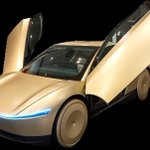
No steering wheel. No pedals. No driver.
Cybercab just landed in Asia.
Hong Kong. Tokyo. Osaka. Beijing. Shanghai. The two-seat robotaxi is on static display right now — butterfly doors up, 22-inch screen glowing, cabin built for passengers only. Tesla is showing the future of autonomy across the region while paid unsupervised rides already run in Austin.
This is not a sales launch and not a robotaxi service start in China or Japan. It’s the product reveal: purpose-built for Robotaxi, camera-only FSD, no mirrors, no rear window, wireless charging vision, ~293 miles of range in a 3,113 lb package.
Catch it while the windows are open:
Shanghai — HKRI Taikoo Hui through today (Sep 21)
Beijing — Huamao Tesla store through Sep 27
Japan — Nagoya Sep 22–23, then Shinjuku Sep 26–28
Hong Kong — wrapping the multi-stop tour this week
The streets of Asia just got a preview of unsupervised rides. The car that shows up when you tap the app, then drives itself.
The future of autonomy is on display. Go see it.
#Cybercab #Robotaxi #TeslaAsia
« Strictement encadrées par les normes ONU et UE. »
Très bien. Appliquez-les aussi à Renault.
En 2025, la France a délivré en 3 mois un permis national L4 sans conducteur à WeRide, en partenariat avec Renault Group, pour un service commercial sur voie ouverte à Valence. Cadre PACTE/LOM. Pas le règlement ONU ADS adopté en juin 2026.
Depuis 2015 : plus de 180 autorisations nationales d’expérimentation de conduite déléguée, dont Renault et Stellantis (Peugeot, Citroën) via SAM, pendant que les règlements ONU n’étaient pas encore écrits.
La France a même créé son propre régime (ordonnance 2021-443, décret 2021-873) pour déployer des systèmes automatisés et de la supervision à distance, sans attendre un règlement ONU complet.
Les Pays-Bas ont utilisé l’article 39 du règlement UE 2018/858 — un outil européen, pas un copier-coller pirate — pour le FSD Supervised. La France refuse la reconnaissance mutuelle, tout en signant des dérogations nationales quand le partenaire s’appelle Renault.
Les normes ONU ne sont pas à géométrie variable. Soit elles s’imposent à tout le monde, soit on arrête de les brandir seulement quand c’est Tesla.
@teslaeurope

Réponse du Ministère des transports concernant le FSD de Tesla en France.
@teslaeurope @Tesla @elonmusk @PhilippeTabarot
#TESLA #FSD

