
Hilalien
الجزائر المحروسة
Joined April 2026
- Tweets877
- Following76
- Followers149
- Likes594






The Roman Emperor Trajan founded Timgad for roman veterans and later destroyed by the berber tribes. When the city founded Numidia was under Roman conquest.
Stop desorting history


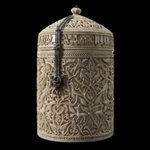
The 'Zamora' pixys is dedicated to the caliph's Al-Hakam II concubine, Subh, and celebrates her fertility in a lush vegetal decoration from which birds and antelopes emerge.


Frederick II (1215-1250) who spoke fluent Arabic and was fond of Arabic culture, but who with all his tolerance towards his Arab-Muslim subjects was one of the first secular emperors in Christianity to codify the burning of Christian heretics.


إبن الرشيد retweeted

كتبتُ دراسة باللغة الإنجليزية عن دور الإمام علي في الفتوحات الإسلامية، إذ استمرت الفتوحات في عدد من المناطق الأخرى خلال خلافته، ومن بينها:
- أذربيجان.
- فارس.
- كرمان.
- إصطخر.
وقد ذكرتُ في الدراسة عدداً من الأسباب التي قد تفسّر عدم معرفة بعض المؤرخين بهذه الفتوحات، ومن أبرزها:
"ذهب بعض المؤرخين إلى أن الأحداث والفتن الداخلية التي وقعت في السنوات الأخيرة من خلافة عثمان، والتي أدت إلى مقتله، وكذلك الصراعات والوقائع الداخلية التي شهدتها خلافة الإمام علي، قد أدّت إلى توقّف الفتوحات.
كما اعتمد بعض المؤرخين على مؤلفات توقفت عن ذكر الفتوحات أو لم تشر إلى وقوع فتوحات أخرى، ومن ذلك روايات سيف بن عمر، الذي توقف عن ذكر الفتوحات ابتداءً من سنة 36هـ، وقد اعتمد عليه كثير من المؤرخين.
وفضلاً عن ذلك، فُقدت مصادر كثيرة تناولت الفتوحات في المناطق الشرقية خلال خلافة الإمام علي، ومن بينها مؤلفات البلاذري، التي لم يصل إلينا منها إلا جزء يسير، ولا سيما الأقسام المتعلقة بالأقاليم الشرقية.
ورأى بعض المؤرخين أيضاً أن الفتوحات في عهد الإمام علي افتقرت إلى التنظيم.
إضافة إلى ذلك، ركّز معظم المؤرخين على الأحداث والاضطرابات الداخلية التي شهدتها الدولة العربية الإسلامية خلال خلافة الإمام علي، واستأثرت هذه الأحداث باهتمامهم عند تدوين التاريخ، نظراً لما ترتب عليها من تداعيات واسعة امتدت إلى مختلف أنحاء العالم الإسلامي، الأمر الذي جعلها تطغى على غيرها من الأحداث."
ولمن يرغب في التوسع في هذا الموضوع، يمكن الرجوع إلى الدراسات التي تناولته بالتفصيل، ومنها رسالة الباحثة ميامي يحيى بعنوان: «فتوحات المشرق الإسلامي في خلافة الإمام علي بن أبي طالب».
دراستي:
patreon.com/posts/169296245?…

The role of Jewish slave traders operating from the Rhone region gave rise to accusa-tions of Jews stealing Christian children and selling them off into slavery, one of the stories that, together with the story of Jews eating Christian children, would soon lead to the violent


This quoted post is unavailable.

إبن الرشيد retweeted

The well known Azhari chronicler Shaykh Abd al-Rahman al-Jabarti whose roots trace back to Zeyla in the northern Somali Peninsula records the October 1798 uprising against Napoleon. Centered at Al-Azhar, the mosque's mujawireen (Maghrebis, Shamis, Jabartis from Zeyla and the Horn of Africa, and others) armed themselves and waged jihad against the French.
Notably, the Maghrebis barricaded themselves with weapons and drove back French troops, while the Azhari Mujawireens struck down General Dupuy before French artillery shelled Al-Azhar and stormed its riwaqs.


Just prior Alexander demise he sought to undertake an Arabian campaign along the Persian Gulf As per Arrian Alexander's motive was to make himself a god among the Arabs More importantly, this region of Arabia was rich in spices, over which Alexander surely wished to gain control.

The Byzantine loss of most of its territories to the Arab Muslims plunged the remnant of the Byzantine Empire on the European continent into what some histo-rians have called a 'dark age'. Trade between the remainder of the Byzantine Empire and the former Byzantine lands that


Byzantium faced. The despair also showed culturally: "fewer authors wrote, fewer teachers taught, fewer artists and artisans created, and fewer builders built." The demoralization was fur-ther reflected in arguments on God's displeasure with the Byzantines, resulting in
1
58
Henri Bresc and Annliese Nef also agreed that Idrisi's Sicily description was highly original highlighting the fact that unlike previous Routes and Kingdoms authors Idrīsi was based at Palermo: 'l'ensemble de ces chapitres constitue ainsi l'essentiel de l'apport du savant


the Encyclopaedia of Islam, in its entry on Sicily states that: A special place should be reserved for the work of al-Idrīsi, who excels over all the other writers in the systematic nature of his survey,
1
1
59


A number of cities however were inherited from pre-existing civilizations: in Damascus, capital of the Omayyad caliphate (661-750) Alexandria, Tripoli, or Córdoba, the Muslims used the ancient cities. Their settlement did not cause a brutal change, and changes in the organization


commercial function of this axis. Also in Damascus, as in Córdoba, the Muslims began by sharing the main church with the Christians, before destroying it a few decades later in order to build a mosque. Without causing any brutal upheaval of urban space, the Muslims maintained
1
34