Andy Blidy (@ablidy) header
Andy Blidy (@ablidy) profile picture

T, B, & NK cells and Stem cell scientist for 50 yrs , Commercialized CD4/IL-2r, CD34 Mabs at BDMC &ABI TaqMan mRNA Gene Expression during human genome project.

California
Joined September 2010
Photo by Andy Blidy (@ablidy)Photo by Andy Blidy (@ablidy)Photo by Andy Blidy (@ablidy)Photo by Andy Blidy (@ablidy)Photo by Andy Blidy (@ablidy)Photo by Andy Blidy (@ablidy)Photo by Andy Blidy (@ablidy)
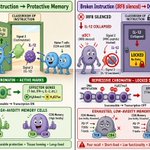
Andy Blidy Caravello A and Blidy A (2026) A proposed convergent molecular chain linking senescence, cancer, and chronic infection to a correctable failure of dendritic cell instruction. Front. Immunol. 17:1861044. doi: 10.3389/fimmu.2026.1861044 COPYRIGHT © 2026 HYPOTHESIS AND THEORY article Front. Immunol., 30 July 2026 Sec. Dendritic Cells, Macrophages and APC Immunology Volume 17 - 2026 | doi.org/10.3389/fimmu.2026.1… A proposed convergent molecular chain linking senescence, cancer, and chronic infection to a correctable failure of dendritic cell instruction Andrew Caravello and Andrew Blidy The document proposes a paradigm shift in immunology, focusing on correcting immune instruction via dendritic cells to treat aging, cancer, and autoimmunity. Main Concept •The immune system functions like a school, with dendritic cells as teachers directing immune responses. •Aging and disease impair dendritic cell polarity, leading to tolerance, cancer hiding, or autoimmunity. •The core failure involves the silencing of IRF8, reducing IL-12 and impairing immune education. •Restoring dendritic cell function can re-establish proper immune discrimination. Proposed Intervention •Use patient-derived monocytes matured into alpha-type-1 polarized dendritic cells (αDC1). •Infuse these cells to deliver IL-12, reactivate IRF8, and restore immune surveillance. •This approach acts as a biological reboot, clearing senescent cells and correcting immune default states. •The method can be tailored for tolerance or immunity, depending on clinical goals. Implications and Industry Movement •Current treatments target downstream effects; this approach addresses upstream instruction failure. •Major pharma invests in scalable cell manufacturing, positioning dendritic cell therapies at leverage points. •The shift suggests a focus on rewriting immune "manuals" rather than symptom suppression. To answer the question about the role of dendritic cells in aging, I have drawn directly from the provided document, which presents a novel immunological framework. This framework positions dendritic cells as central 'teachers' in the immune system, whose dysfunction is a key driver of aging and age-related diseases. Below, I explain the mechanisms, consequences, and potential interventions, using examples and clear analogies from the document. Dendritic Cells: The Immune System's Teachers Dendritic cells (DCs) act as the primary instructors of the immune system. They determine whether other immune cells (like T cells) should attack a threat or tolerate it. When dendritic cells provide clear and accurate instructions, the immune system efficiently clears damaged or senescent cells, prevents early cancers, and keeps inflammation under control. What Goes Wrong with Aging? As we age, or under chronic stress (such as cancer or persistent infection), the following sequence occurs: Senescent cells (sometimes called 'zombie' cells) accumulate especially in bone marrow and release inflammatory signals known as the senescence-associated secretory phenotype (SASP).These signals keep a protein called STAT3 switched on in the bone marrow, where new immune cells are made.STAT3 then recruits enzymes that silence a master gene called IRF8, which is essential for the most important type of dendritic cell (cDC1).Once IRF8 is silenced, dendritic cells stop producing the key messenger IL-12 and lose their ability to properly instruct the immune system. Consequences Immune surveillance collapses: The body stops efficiently clearing senescent cells and early tumors. Imbalance between attack and tolerance: The immune system may tolerate threats it should attack, or attack the body's own tissues (autoimmunity).Chronic inflammation and disease: More than twenty disease settings are linked to this failure of dendritic cell instruction. Example Analogy The document compares the immune system to a school, with dendritic cells as teachers. If the teachers (dendritic cells) give the wrong lessons or fall silent, the students (other immune cells) become confused, leading to poor performance (disease, aging, cancer). I have drawn directly from the provided document, which presents a novel immunological framework. This framework positions dendritic cells as central 'teachers' in the immune system, whose dysfunction is a key driver of aging and age-related diseases. Below, I explain the mechanisms, consequences, and potential interventions, using examples and clear analogies from the document. Dendritic Cells: The Immune System's Teachers Dendritic cells (DCs) act as the primary instructors of the immune system. They determine whether other immune cells (like T cells) should attack a threat or tolerate it. When dendritic cells provide clear and accurate instructions, the immune system efficiently clears damaged or senescent cells, prevents early cancers, and keeps inflammation under control. What Goes Wrong with Aging? As we age, or under chronic stress (such as cancer or persistent infection), the following sequence occurs: •Senescent cells (sometimes called 'zombie' cells) accumulate and release inflammatory signals known as the senescence-associated secretory phenotype (SASP). •These signals keep a protein called STAT3 switched on in the bone marrow, where new immune cells are made. •STAT3 then recruits enzymes that silence a master gene called IRF8, which is essential for the most important type of dendritic cell (cDC1). •Once IRF8 is silenced, dendritic cells stop producing the key messenger IL-12 and lose their ability to properly instruct the immune system. Consequences •Immune surveillance collapses: The body stops efficiently clearing senescent cells and early tumors. •Imbalance between attack and tolerance: The immune system may tolerate threats it should attack, or attack the body's own tissues (autoimmunity). •Chronic inflammation and disease: More than twenty disease settings are linked to this failure of dendritic cell instruction. Example Analogy The document compares the immune system to a school, with dendritic cells as teachers. If the teachers (dendritic cells) give the wrong lessons or fall silent, the students (other immune cells) become confused, leading to poor performance (disease, aging, cancer). Why Is This Important? This is not just another story about inflammation and aging. The document argues that the failure of dendritic cell instruction is a specific, upstream, and potentially correctable problem. Instead of treating the symptoms (like inflammation or cancer), the focus should be on restoring the dendritic cells' ability to instruct the immune system correctly. Potential Intervention: The Biological Reboot The proposed solution is to manufacture new, properly instructed dendritic cells outside the body and infuse them back into the patient. These cells can restore the immune system's ability to clear senescent cells and rebalance the immune response, potentially slowing or reversing aspects of aging. Example Implementation: •Take a patient's own monocytes (a type of white blood cell). •Mature them outside the body into alpha-type-1 polarized dendritic cells (αDC1) using specific signals. •Infuse these cells back into the patient, where they restore proper immune instruction. Summary Table: Dendritic Cell Role in Aging StepMechanismConsequence 1Senescent cells release SASPto Chronic inflammation 2STAT3 activation in bone marrowto Silencing of IRF8 gene 3Loss of IL-12 production by DCsto Poor immune instruction 4Immune surveillance failsto Aging, cancer, autoimmunity In summary: Dendritic cells are central to immune system function and aging. Their dysfunction, driven by molecular changes as we age, leads to a breakdown in immune surveillance and contributes to age-related diseases. Restoring their function may offer a powerful new approach to healthy aging. Analyze how dendritic cell modulation could reshape treatment paradigms for aging-related diseases. To analyze how dendritic cell (DC) modulation could reshape treatment paradigms for aging-related diseases, I have synthesized evidence and arguments from the provided document. The document presents a paradigm shift: instead of targeting downstream symptoms (like inflammation or cancer cells), it proposes restoring the central instructional role of dendritic cells to correct immune dysfunction at its source. Below, I break down the current state, the proposed shift, and the practical implications for treatment. Current State: Treating Symptoms, Not the Source •Traditional Approaches: Most current therapies for aging-related diseases (cancer, autoimmunity, chronic inflammation) focus on downstream effects—killing cancer cells, blocking immune checkpoints, suppressing inflammation, or clearing senescent cells with drugs. •Limitations: These approaches often deliver incomplete or temporary benefits because they do not address the root cause: the loss of proper immune instruction due to dendritic cell dysfunction. The Paradigm Shift: Dendritic Cell Modulation •Central Hypothesis: Dendritic cells are the 'teachers' of the immune system. When their instructional capacity is lost (due to molecular changes like STAT3 activation and IRF8 silencing), the immune system defaults to tolerance, allowing aging, cancer, and autoimmunity to progress. •Modulation Strategy: The proposed intervention is to manufacture new, properly instructed dendritic cells (specifically, alpha-type-1 polarized dendritic cells or αDC1) outside the body and infuse them back into the patient. These cells restore the immune system's ability to clear senescent cells and rebalance attack/tolerance. Example Implementation: •Take a patient's monocytes or use donor cells. •Mature them into αDC1 using interferon-gamma and multi-TLR signals outside the body (away from the STAT3/IRF8 silencing environment). •Infuse these cells back into the patient, where they deliver a strong IL-12 pulse, restore IRF8 expression, and reboot immune surveillance. How This Reshapes Treatment Paradigms 1.Upstream Correction vs. Downstream Management: oInstead of treating each symptom or disease manifestation separately, DC modulation targets the upstream instructional failure, potentially correcting multiple downstream problems at once. 2.Personalized and Adaptive: oThe same cell manufacturing process can be tuned for different outcomes: boosting immunity (for aging, cancer) or inducing tolerance (for autoimmunity, transplantation). 3.Reduced Need for Chronic Suppression: oBy restoring proper immune instruction, there may be less reliance on chronic immunosuppression or repeated drug interventions. 4.Potential for Disease Modification: oRather than just managing symptoms, this approach could modify the course of aging-related diseases by reactivating the body's own surveillance and repair mechanisms. Industry Implications and Opportunities •Scalable Manufacturing: Major pharmaceutical companies are investing in cell therapy manufacturing platforms, recognizing the leverage of producing instructional cells at scale. •Broad Applicability: This approach could impact not only aging and cancer, but also autoimmunity and chronic post-infectious syndromes that share the same upstream polarity failure. Summary Table: Comparison of Paradigms Traditional ParadigmDendritic Cell Modulation Paradigm Treats symptoms (inflammation, cancer, etc.)Targets root cause (immune instruction failure) Multiple drugs for multiple diseases.....Single cell-based intervention for multiple conditions Chronic management.....Potential for disease modification ....Focus on effectors/checkpointsFocus on restoring immune 'teachers' In summary: Dendritic cell modulation represents a shift from symptom management to root-cause correction in aging-related diseases. By restoring the immune system's instructional capacity, this approach could enable more effective, durable, and broadly applicable treatments, fundamentally changing how we approach aging, cancer, and autoimmunity.
6
12
2
35
34,379
Andy Blidy retweeted
Amanda you are an angel with girth and well spoken kindness……your efforts will help others as we try to sway the medical establishment that DC1-CD4 reboot is the correct strategy and the natural biological process…..Caravello and I are the front lines to change medical doctrine…..no easy task…..with SITC big meeting starting Nov 4 many researchers will push payload therapies which will not provide the same memory process as DCVax, thanks for your family’ s contribution as patient and patient advocates
2
10
84
Replying to @PK_Fund
Oh my goodness. ❤️ I hardly know what to say. Thank you for such incredibly kind words. I’m just a mom who refused to accept that there was nothing more we could do for our daughter. What began as a desperate fight to save Braelyn’s life has become a mission to help ensure that other families have access to the same hope we’ve been given. I never imagined we’d be where we are today, but I truly believe God has been opening doors and placing extraordinary people in our path for a reason. And I couldn’t do any of this without the incredible DCVax/NWBO community standing beside us. You have lifted our family up in ways you’ll never fully know. If Braelyn’s journey can help open the door to this treatment for thousands of other patients, every single moment of this fight will have been worth it. From the bottom of my heart, THANK YOU. ❤️🙏
1
10
55
494
Andy Blidy retweeted
More than 1,400 attendees gathered at the James P. Allison Institute's annual symposium, which focused on immunotherapy research and featured a panel discussion with five Nobel laureates, scientific sessions, a poster session and an award presentation. #EndCancer
1
8
2
61
4,999
Andy Blidy retweeted
🤖 Made with AI
1
4
139
Andy Blidy retweeted
This is most under estimated process in memory management……this is why CAR T , mRNA , chemo, payloads are temporary fixes for immunity long term
1
2
43
Andy Blidy retweeted
🤖 Made with AI
1
1
3
75
Andy Blidy retweeted
🤖 Made with AI
1
1
3
118
That’s the equivalent of saying leukocytosis is a disease. 🤦🏻‍♂️
2
1
9
658
Andy Blidy retweeted
This is kind….
1
17
130
7,029
Andy Blidy retweeted
This woman is going to be responsible for saving so many lives. Really inspiring to see.
Big news for both Braelyn & $NWBO, @DrOz is on the case & is talking to the FDA about #DCvax
1
9
58
702
Happy anniversary! Our October editorial celebrates 10 years of accomplishments and looks ahead to the future nature.com/articles/s41587-0…
To mark our tenth Anniversary month, watch HCA Co-Founder Aviv Regev reveal her hopes for the Human Cell Atlas initiative, and how it is already helping to improve medicine. #HumanCellAtlas #Healthcare
4
12
1
46
9,341
🦉 Cancer Immunotherapy: A Week of Clinical Breakthroughs and Unexpected Discoveries October 25–31, 2026 | Weekly Research Digest A Phase III trial has challenged the standard first-line treatment for PD-L1-negative lung cancer. Meanwhile, new studies show that dendritic cells, mitochondrial DNA, tumor metabolism, and even blood platelets can determine whether cancer immunity succeeds or fails. 🩸 1. Lung Cancer: A 51% Reduction in Progression Risk In the randomized Phase III OptiTROP-Lung06 trial (n=455), sacituzumab tirumotecan plus pembrolizumab extended median progression-free survival to 15.0 months versus 5.7 months with chemotherapy plus pembrolizumab in PD-L1-negative advanced nonsquamous NSCLC (HR 0.49; p<0.001). Response rates were similar (50.2% vs. 47.3%), but response duration doubled. Grade ≥3 adverse events occurred in 47.6% versus 60.6%. Overall survival remains immature. Access: NEJM abstract publicly available; unrestricted full-text access not confirmed. nejm.org/doi/10.1056/NEJMoa2… 🩸 2. Personalized Cancer Vaccines Pass the Phase III Test At ESMO 2026, Merck and Moderna reported that adding personalized mRNA neoantigen therapy intismeran autogene to pembrolizumab improved 24-month recurrence-free survival in resected melanoma from 70.0% to 82.2% (n=1,137; HR 0.58). Distant-metastasis-free survival also improved (HR 0.62). This is the first positive Phase III trial of individualized neoantigen therapy against an active immunotherapy standard. Overall survival remains immature, while personalized manufacturing presents a substantial logistical challenge. ESMO data presented October 24; included as an exceptional lookback. esmo.org/insights-by-esmo/al… 🩸 3. The Real Target of a Bispecific Antibody May Not Be the Tumor An Immunity study found that PD-L1×4-1BB bispecific antibody activity depended on PD-L1-positive cDC1 dendritic cells rather than PD-L1 expression on malignant cells. Antitumor efficacy required antigen cross-presentation, IL-12, and CD40L-mediated dendritic-cell licensing. Increasing dendritic-cell abundance with Flt3L further strengthened tumor control. The finding challenges tumor PD-L1 expression as a sufficient guide to this therapeutic mechanism. Evidence remains predominantly preclinical. Access: Subscription/paywall; abstract publicly available. doi.org/10.1016/j.immuni.202… 🩸 4. Mitochondrial DNA Determines Whether Cancer Cell Death Activates Immunity An Immunity study identified mitochondrial DNA release as a determinant of whether stressed cancer cells undergo immunogenic death or conventional apoptosis. MEK inhibition triggered mitochondrial DNA release in KRAS-mutant cancer cells, but PRKN-mediated mitophagy suppressed the resulting cGAS–STING response. Blocking mitophagy restored immune activation and strengthened CD8+ T-cell-mediated tumor control in preclinical models. The result suggests that mitochondrial quality control may decide whether targeted cancer therapy generates an immune response. Access: Publisher full text not verified; indexed abstract publicly available. doi.org/10.1016/j.immuni.202… 🩸 5. Blood Platelets Can Suppress Brain Tumor Immunity A Cancer Cell study identified platelet PAR4 signaling as an unexpected regulator of antitumor immunity in glioblastoma. Platelet activation suppressed cytotoxic T-cell activity. In preclinical models, blocking PAR4 relieved immune suppression and improved survival in females but not males, suggesting sex-dependent interactions between coagulation, hormones, and tumor immunity. The findings reveal a possible therapeutic target outside conventional immune checkpoints. Human efficacy remains unproven. Access: Publisher full-text access not verified; research summary publicly available. doi.org/10.1016/j.ccell.2026… 🩸 6. A Metabolic Enzyme Shields Tumors from Killer T Cells A Nature Cancer study identified GALE, a sugar-metabolism enzyme, as a tumor-intrinsic checkpoint restricting Vγ9Vδ2 T-cell killing. GALE modifies cell-surface glycosylation, strengthening inhibitory CD155–TIGIT and CEACAM1–TIM3 interactions. GALE loss enhanced tumor killing in mouse models and patient-derived organoids. The finding suggests that modifying tumor metabolism could strengthen HLA-independent immunotherapy. Clinical feasibility and safety remain unknown. nature.com/articles/s43018-0… 🩸 7. Lung Cancer TIL Therapy Finds Its Responders Iovance reported a 24.6% objective response rate with lifileucel in 69 previously treated NSCLC patients. Responses reached 59.1% (13/22) in a retrospectively selected KRAS-wild-type/HER2-wild-type subgroup with a smoking history. The finding could shift tumor-infiltrating lymphocyte therapy toward molecular patient selection. Iovance plans prospective validation through POSITILITY. The subgroup is small, retrospectively defined, and vulnerable to selection bias. rss.globenewswire.com/news-r… 🩸 8. Dual Checkpoint–VEGF Therapy Shows Activity After Resistance BioNTech and Bristol Myers Squibb reported a 36.7% confirmed response rate with pumitamig, a PD-L1×VEGF-A bispecific, plus docetaxel after progression on chemo-immunotherapy in metastatic NSCLC. Median progression-free survival was 6.9 months. The signal suggests possible activity after checkpoint inhibitor failure, but the Phase II study was single-arm, with only 30 efficacy-evaluable patients and 12.2 weeks of median follow-up. Superiority remains unproven. biontech.com/int/en/home/med… 🩸 9. A New CAR-T Target Emerges in Childhood Cancer Nature Communications researchers used cell-surface proteomics of patient-derived malignant rhabdoid tumor organoids to identify ROBO1 as a potential CAR-T target. ROBO1-directed CAR-T cells eliminated tumor cells in organoid models and improved survival in tumor-bearing mice. The approach may extend to other pediatric solid tumors, but normal-tissue expression and on-target/off-tumor toxicity remain critical clinical barriers. nature.com/articles/s41467-0… 🩸 10. AI Cuts Immunotherapy Safety Review Time by 43.5% A Nature Cancer study found that agentic AI combined with human review reduced median annotation time for immune-related adverse events by 43.5%, while improving reviewer consistency. Retrospective detection performance was strong, but accuracy weakened in prospective clinical deployment. The technology could improve toxicity surveillance, although faster detection has not yet been shown to reduce severe adverse events or hospitalizations. nature.com/articles/s43018-0… 🩸 11. Immunotherapy Blurs the Boundary Between Surgery and Radiation In the Phase II MDT-BRIDGE trial, neoadjuvant durvalumab plus chemotherapy enabled surgical resection in 74.6% of 142 patients with resectable or borderline-resectable NSCLC. Another 25 patients proceeded to chemoradiotherapy. The strategy adapts definitive treatment to post-immunotherapy resectability rather than committing patients to a fixed pathway. It demonstrates feasibility, not an overall-survival advantage; the study lacked a randomized comparator. nature.com/articles/s41591-0… 🩸 12. CAR-T Reveals an Unexpected Immune Complication A Blood study investigated EBV-positive lymphoproliferative disease following CD7 CAR-T therapy. Multi-omics analysis implicated dysfunctional CD7-negative T cells and IDO1-positive macrophage niches in an environment favoring EBV-driven B-cell transformation. The findings raise a safety concern beyond conventional CAR-T toxicities such as CRS and ICANS. However, the complication is uncommon, and the study does not establish its incidence or prove that CD7 CAR-T directly causes it. ashpublications.org/blood/ar… 🩸 Regulatory & Clinical Watch No major new FDA cancer immunotherapy approval was identified during October 25–31. The strongest clinical evidence came from randomized Phase III trials combining immune checkpoint blockade with personalized vaccines or antibody-drug conjugates. Emerging mechanistic studies challenge the assumption that tumor-cell biomarkers alone adequately predict immunotherapy activity. The week's underlying signal: The next advances in cancer immunotherapy may come from controlling where and how immune responses begin—not simply increasing their intensity. Antigen presentation, mitochondrial stress, dendritic-cell interactions, platelet signaling, and molecular patient selection are becoming consequential therapeutic variables.
1
14
1
63
4,651
FDA has been searching for the right rare disease message for years. The body settled it half a billion years ago: dendritic cells read the antigen, decide what matters, and respond, even when the population is one… 
No side effects. They are your own cells.
1
3
58
Andy Blidy retweeted
🚨 TODAY, I submitted my public comment to the FDA regarding its proposed Rare Disease Framework. As the mother of a 19-year-old fighting an aggressive, deadly brain cancer, I have one urgent message: Patients don’t just need faster drug approvals. They need ACCESS to promising treatments while they’re still alive to benefit from them. My comment shares Braelyn’s extraordinary journey, the clinical evidence and long-term survivors associated with DCVax-L, and the enormous barriers American families face trying to access investigational treatments. I also outline Braelyn’s Bill, built around four fundamental patient rights: ❤️ The Right to Know ❤️ The Right to Preserve ❤️ The Right to Choose ❤️ The Right to Access My most urgent request is Braelyn’s Rule: Patients facing life-threatening diseases should be able to access investigational treatments through their physicians, with informed consent and manufacturer participation, without unnecessary regulatory obstacles. We should not have to fly across an ocean to access a promising cancer treatment developed right here in America. The FDA’s new framework must measure success not just by how quickly treatments are evaluated, but by whether patients can actually access them while there’s still time. I’m sharing my full four-page public comment because this fight is about far more than my daughter. It’s about every family who deserves the opportunity to fight for their loved one’s life. Please read and share. ❤️🙏 #BraelynsBill #DCVaxForBraelyn #RareDiseases
9
42
1,003
#TheBiologicalReboot #Immunology #HealthyAging 𝗔 𝗧 𝗰𝗲𝗹𝗹 𝗰𝗮𝗻 𝗿𝗲𝗰𝗼𝗴𝗻𝗶𝘇𝗲 𝗶𝘁𝘀 𝘁𝗮𝗿𝗴𝗲𝘁, 𝗺𝘂𝗹𝘁𝗶𝗽𝗹𝘆, 𝗮𝗻𝗱 𝘀𝘁𝗶𝗹𝗹 𝗳𝗮𝗶𝗹 𝘁𝗼 𝗸𝗶𝗹𝗹 𝗶𝘁. Curtsinger and colleagues demonstrated this in 2003. T cells could recognize a target and divide without developing effective killing ability. In those experiments, IL-12 supplied the missing third signal. The cells were there. The instruction was missing. In The Biological Reboot, I follow that distinction upstream, to the dendritic cells that teach immunity and the molecular programs that govern them. The book develops a testable hypothesis: aging, cancer and chronic infection can converge on failures of immune instruction. It traces the pathways involved and names experiments that could prove the argument wrong. 𝗜𝗟-𝟭𝟮 𝗶𝘀 𝘀𝗽𝗲𝗲𝗰𝗵, 𝗻𝗼𝘁 𝗳𝘂𝗲𝗹. The goal is the right instruction, delivered at the right time. Thank you, Andy Blidy @ablidy and @MedWithNeka, for this 80-second introduction to the framework. 𝗪𝗮𝘁𝗰𝗵: youtube.com/shorts/Ks-3DlrTy… 𝗥𝗲𝗮𝗱 𝘁𝗵𝗲 𝗯𝗼𝗼𝗸: the molecular argument and its evidence. amzn.to/4hitc23 𝗘𝘅𝗽𝗹𝗼𝗿𝗲 𝘁𝗵𝗲 𝗮𝗽𝗽: read the full book, explore its 22-lock educational molecular map, and track your daily practices. apps.apple.com/us/app/the-bi… 𝗕𝗼𝗼𝗸𝘀, 𝗮𝗽𝗽 𝗮𝗻𝗱 𝗿𝗲𝘀𝗲𝗮𝗿𝗰𝗵: BiologicalReboot.com The experiment behind the opening: pubmed.ncbi.nlm.nih.gov/1273…
2
8
45
1,301
Andy Blidy retweeted
$NWBO Should Joanna know the significance of six immune boosters in combination with the Direct which will include Dr. Kalinski's IP? Does Joanna know the significance of the HER2/HER3-pulsed DC vaccine which is being tested in a trial conducted by Roswell? Note tumor lysate is not needed! Investigators leave intact tumors in brain with diameter less than 3cm to see if activated t-cells can wipe out cancer cells. If they can take care of tumors metastasized like this, can they take care breast cancer in early stage without surgery?! Joanna knows what the biggest revolution in medicine looks like and she won't miss this opportunity. It's that simple! Dendritic Cell Vaccines Against Her2/​Her3 and Pembrolizumab for the Treatment of Brain Metastasis From Triple Negative Breast Cancer or HER2+ Breast Cancer clinicaltrials.gov/study/NCT… nwbio.com/wp-content/uploads…
$NWBO So, another week passed. And now we know, that Joanna Stanson opted for NWBO over an - until recently - extremely impressive career at Roswell. Roswell Park itself called her the brains behind its earlier cell-production operation. In Roswell Park's presentation Enhancing Cell Therapy at Roswell Park, a senior researcher describes Pawel Kalinski's dendritic-cell facility at around 11:40 and refers to Stanson as: “the brains behind the operation” physicianresources.roswellpa… The speaker specifically highlights her experience manufacturing cell therapies under strict GMP conditions. I will state this again! THIS PIECE OF INFO IS A GEM! Joanna Stanson is a powerhouse in manufacturing of dendritic cells, and now NWBO not only has licensed all Kalinskis dendritic cells work, they have secured the “brain” that’s going to take NWBO to “next level”. Voluntarily leaving Roswell at this point in time should be the biggest confidence making piece of info any shareholder should ask for. If you don’t understand its importance … shame on you. Know what you hold. Personally, I’m nothing less but thrilled, that Joanna opted for NWBO. It speaks volumes against any bearish invented FUD crap we’ve listened to this week.
2
10
2
54
2,457
Andy Blidy retweeted
#OTD in 1982 laureate James Allison published a paper in the Journal of Immunology identifying the protein structure of the T cell receptor, a previously mysterious ignition switch for immune response. His research led to a new way to treat cancer by using our own immune systems.
16
99
5
504
40,927
Andy Blidy retweeted
I have written many times that IMO the main catalyst behind the massive M&A deal volume in the BioTech and Pharma ecosystem is the patent cliff scenario. The “patent cliff” or IP Lost of Exclusivity (LOE) scenario is predicted to cause most of the big Pharma companies - $PFE $LLY $NVO $JNJ $NVS $BMY $AZN $ABBV $MRK $SNY and others, more than $330B (!) in combined revenue loss, thus creating an immense pressure on both their commercial pipelines as well as on their future revenue streams. Here is a an excellent FT chart which shows just how much big Pharma companies have become commercially dependent on a specific blockbuster drug - Sanofi׳s Dupixent in this case, which upon its patent expiration Sanofi’s revenue stream will be badly impacted as it generated €16B (!) in sales during 2025 - which is more than Sanofi’s sales of its other top 10 drugs combined! This means that the closer we will be to the point of massive patent loss, the more we can expect a growing volume of M&A deals of both BioTech companies and assets by big Pharma companies.
According to this excellent chart by Stifel 2026 is on track to become the second most active year in BioTech M&A history! The 2026 annualised M&A volume in the BioTech and Pharma ecosystem is currently $241B - second only to 2019 ($328B) and ahead of 2014 and 2025. Another interesting aspect is that while 2019 was driven mainly by two mega mergers of $50B or more (AbbVie / Allergan and BMS / Celgene), in 2026 so far no deal has exceeded $15B. It seems that instead of initiating mega deals, Big Pharma companies - led by Eli Lilly, are replenishing their pipelines via $1–10B acquisitions ahead of an unprecedented $300B patent cliff.
3
8
42
3,861