

خادم للتراث، شغوف بتاريخ القرن الإفريقي، مغرم بالكتب والمخطوطات القديمة📖، ومهتم بتوثيق كل ما هو ثمين
Joined January 2025
- Tweets642
- Following69
- Followers425
- Likes7.1K






ducaale retweeted

Qadi Ahmad ibn Muhammad
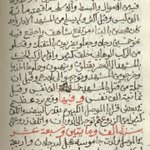
"Al-Lami by lineage, and al-Zayla'i by surname, he was given this name because his mother was from Zayla, and he inherited her color."
Although sources concerning Somali women are scarce, this account provides another piece of evidence suggesting that Somali women accompanied Somali men on their travels abroad. This adds to the evidence of the Zaylaʿiyya female scholar in Egypt. There was also an early gravestone from the first Islamic century in Xamar bearing an inscription of a woman with the title "Hajiya" implying she had travelled to Arabia to perform the Hajj.


What is interesting is that after Ibn Saud sacked Karbala, he managed to capture a large number of Abyssinian slaves who were in Karbala and took them as spoils back to Najd


بعد عامين من حادثة كربلاء، أرسلت الدولة العثمانية رسولًا إلى الإمام سعود تستفسر منه عن سبب الهجوم على المدينة. فأجاب بأن الشيعة المقيمين في النجف وكربلاء قد خرجوا عن الدين بسبب معتقداتهم وأساليب عبادتهم، وأن «أموالهم وأرواحهم أُحلت للوهابيين». كما أكد للدولة العثمانية أنه إذا فكرت إيران في الرد أو الإضرار بها بسبب ما جرى، فسيتصدى لها بنفسه، دون انتظار أي مساعدة من الدولة العثمانية


بعد عامين من حادثة كربلاء، أرسلت الدولة العثمانية رسولًا إلى الإمام سعود تستفسر منه عن سبب الهجوم على المدينة. فأجاب بأن الشيعة المقيمين في النجف وكربلاء قد خرجوا عن الدين بسبب معتقداتهم وأساليب عبادتهم، وأن «أموالهم وأرواحهم أُحلت للوهابيين». كما أكد للدولة العثمانية أنه إذا فكرت إيران في الرد أو الإضرار بها بسبب ما جرى، فسيتصدى لها بنفسه، دون انتظار أي مساعدة من الدولة العثمانية

ويروي الحادثة ياسين العمري الموصلي، الذي عاصر الأحداث وكان شاهدًا عليها، فيذكر أن نحو خمسة آلاف من الوهابيين هاجموا المشهد، فقتلوا الرجال وهدموا قبر الحسين، واستولوا على غنائم من السلاح والأموال قُدّرت قيمتها بمئة ألف كيس. ويضيف أنه لم ينجُ في المشهد سوى دار واحدة كانت محصنة ومرتفعة، وأن الوهابيين واصلوا القتل والنهب حتى وقت العصر، وقُتل أكثر من خمسة آلاف في تلك الحادثة


4
377
ducaale retweeted
بعد عامين من حادثة كربلاء، أرسلت الدولة العثمانية رسولًا إلى الإمام سعود تستفسر منه عن سبب الهجوم على المدينة. فأجاب بأن الشيعة المقيمين في النجف وكربلاء قد خرجوا عن الدين بسبب معتقداتهم وأساليب عبادتهم، وأن «أموالهم وأرواحهم أُحلت للوهابيين». كما أكد للدولة العثمانية أنه إذا فكرت إيران في الرد أو الإضرار بها بسبب ما جرى، فسيتصدى لها بنفسه، دون انتظار أي مساعدة من الدولة العثمانية
ducaale retweeted

Traditional Somali Medicine🧵
There is limited information on historical Somali medical practices. The few surviving details are fascinating.
The most sensational of these is successful brain surgery conducted in Somalia nearly 20 years before the first known case in Europe.

ducaale retweeted
This book reveals the commercial superiority of Zayla over the port of Aden, which was the main port of Yemen. It seems like for many centuries Zayla and Muqdisho were the wealthiest and most mercantile cities in East Africa.
This also helps explain why Amir Mahfuz aligned himself with the Mamluks, since the Tahirids and their governor of Aden were cooperating with the Portuguese.
Another reason, as Marlom points out, was the rivalry between the governor of Aden and the ruler of Zaila, i.e. Amir Mahfuz. According to him Zaila was far more prosperous thanks to the trade flowing from the interior, and it had captured much of the Gulf's maritime trade at Aden's expense, to such an extent that most merchant ships passing through the Gulf unloaded their cargoes at Zaila rather than Aden, making Zaila the dominant entrepôt for both maritime and inland trade. However, after the Portuguese sacked Zaila, much of this trade shifted to Aden, benefiting both the Tahirids and the governor of Aden since they cooperated with the Portuguese and was largely spared from their attacks
So Mahfuz's decision to side with the Mamluks and later the Ottomans was likely driven by both economic and political reasons.


ducaale retweeted
🧵 Here is the rest of the story:
When they sailed to Aden with 21 ships, Husayn al-Kurdi and Salman Reis were defeated by the Ṭāhirid governor of Aden and were forced to retreat to Zaila once again. Amir Mahfuz helped repair their ships, supplied them with provisions, and treated their wounded. This took place in 1516.
Later that same year, the Portuguese led by Suarez sailed to the Horn of Africa. While attempting to land on Dahlak, several of their captains and soldiers were killed. They then sailed to Zaila and tried to capture and bombard the city in retaliation for the support it had given to Salman Reis


After seizing Zabid, the commander Barsbay was appointed as its governor. The next part of Husayn's plan was to capture the key port-city of Aden.
However, the Mamluk army was running low on supplies, so they sailed to Zaila where they were welcomed and resupplied with all the food and provisions they needed. They also remained there to repair their fleet. Once ready, they set off for Aden with a fleet of 21 ships.


🧵 Here is the rest of the story:
When they sailed to Aden with 21 ships, Husayn al-Kurdi and Salman Reis were defeated by the Ṭāhirid governor of Aden and were forced to retreat to Zaila once again. Amir Mahfuz helped repair their ships, supplied them with provisions, and treated their wounded. This took place in 1516.
Later that same year, the Portuguese led by Suarez sailed to the Horn of Africa. While attempting to land on Dahlak, several of their captains and soldiers were killed. They then sailed to Zaila and tried to capture and bombard the city in retaliation for the support it had given to Salman Reis
After seizing Zabid, the commander Barsbay was appointed as its governor. The next part of Husayn's plan was to capture the key port-city of Aden.
However, the Mamluk army was running low on supplies, so they sailed to Zaila where they were welcomed and resupplied with all the food and provisions they needed. They also remained there to repair their fleet. Once ready, they set off for Aden with a fleet of 21 ships.
When Suarez reached Zaila, he found the city practically deserted because most the inhabitants had abandoned the city when it was heard that the Portuguese were coming leaving only a few people in the city, and Mahfuz had already left on a campaign in Abyssinia.
The Portuguese found only three Catalan merchants there, who had come to sell weapons. Among the spoils, they also seized bundles of black swords.


This also helps explain why Amir Mahfuz aligned himself with the Mamluks, since the Tahirids and their governor of Aden were cooperating with the Portuguese.
Another reason, as Marlom points out, was the rivalry between the governor of Aden and the ruler of Zaila, i.e. Amir Mahfuz. According to him Zaila was far more prosperous thanks to the trade flowing from the interior, and it had captured much of the Gulf's maritime trade at Aden's expense, to such an extent that most merchant ships passing through the Gulf unloaded their cargoes at Zaila rather than Aden, making Zaila the dominant entrepôt for both maritime and inland trade. However, after the Portuguese sacked Zaila, much of this trade shifted to Aden, benefiting both the Tahirids and the governor of Aden since they cooperated with the Portuguese and was largely spared from their attacks
So Mahfuz's decision to side with the Mamluks and later the Ottomans was likely driven by both economic and political reasons.

ducaale retweeted

This aligns with al-Tayyib b. ‘Abdullah al-Hijrani (d. 1540), who describes Zeila’ as Barr al-‘Ajam (“the Land of the Non-Arabs”), consistent with al-Khazraji’s distinction between Arabs and the Zayla’i/Jabarti.


ducaale retweeted
Before becoming governor of the Habash eyalet, Ozdemir Pasha was offered the governorship of Yemen by the Ottoman Sultan Suleiman, but he turned it down, the Sultan then offered him Egypt and Al-sham , which he also declined, the Sultan then told him to choose any province of the Empire he wanted, and he chose Abyssinia, He spent nearly five years there campaigning and expanding the borders of the eyalet beyond the coast, and eventually died there allah yarhamah


Before becoming governor of the Habash eyalet, Ozdemir Pasha was offered the governorship of Yemen by the Ottoman Sultan Suleiman, but he turned it down, the Sultan then offered him Egypt and Al-sham , which he also declined, the Sultan then told him to choose any province of the Empire he wanted, and he chose Abyssinia, He spent nearly five years there campaigning and expanding the borders of the eyalet beyond the coast, and eventually died there allah yarhamah
Al-Jaziri (d. 1570) mentions that Ozdemir pasha together with the Bahr Negash Ishaq of Tigray fought a battle against the Amhara ruler Minas and his the Amhara army was routed, Ozdemir Pasha then had the noses and ears of the dead collected and sent it to the Constantinople as proof of his victory, asking for a larger army so he could finish conquering the rest of Abyssinia

8
497
ducaale retweeted
Horn Africans have always had a reputation for their pride, sometimes even when there was nothing to show for it. Funny enough, this attitude shows up in the historical records too:
1. Abu al-Feda says that the Habesha eunuchs were the most proud of all eunuchs.
2. Oromo slave-soldiers in the Hijaz viewed themselves as superior to other African slaves and sought to distance themselves from them, referring to them as apes and other derogatory names.
2. Oromo women rescued from an Arab slave dhow by the British along with other Bantus considered themselves superior to the Bantu women and refused to eat with them, among other things.


