

Adventurer…
Earth
Joined May 2011
- Tweets62K
- Following4.1K
- Followers2.9K
- Likes81.4K





Pinned Tweet
Κάθε μέρα μαθαίνω νέα πράγματα και χαίρομαι να τα μοιράζομαι μαζί σας.
Οι διαφορετικές οπτικές είναι ευπρόσδεκτες και ωφέλιμες.
Η αγένεια όμως όχι. Για τα αγενή σχόλια υπάρχει άφθονος χώρος αλλού.
Ευχαριστώ
Herakles Mardiris retweeted
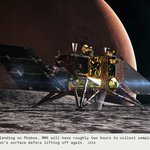
MMX: Η Αποστολή Που Θα Επιχειρήσει Να Προσγειωθεί Στον Φόβο, Το Φεγγάρι Του Άρη
Στις 20 Οκτωβρίου 2026 ένας H3 εκτοξεύτηκε από τη Tanegashima με την αποστολή Martian Moons eXploration (MMX) της JAXA. Στόχος είναι ο Φόβος, το μεγαλύτερο από τα δύο φεγγάρια του Άρη. Αν όλα πάνε σύμφωνα με το σχέδιο, ένα δείγμα περίπου 10 γραμμαρίων θα φτάσει στη Γη το δεύτερο μισό του 2031.
Γιατί ο Φόβος
Η προέλευσή του παραμένει άγνωστη. Η μία θεωρία τον θέλει αστεροειδή της κύριας ζώνης που συνελήφθη από τη βαρύτητα του Άρη. Η άλλη τον θέλει προϊόν των συντριμμιών μιας τεράστιας πρόσκρουσης στον πλανήτη. Είναι ένας «σωρός θραυσμάτων» σχήματος πατάτας, μήκους περίπου 27 χιλιομέτρων, με βαρύτητα που αντιστοιχεί σε περίπου 1/1.800 της γήινης. Ένας ενήλικας θα ζύγιζε εκεί όσο ένα μπαλάκι του τένις στη Γη.
Άφιξη και τροχιά
Το σκάφος αποτελείται από τρεις μονάδες: την πρόωση, την εξερευνητική μονάδα και τη μονάδα επιστροφής. Θα φτάσει στον Άρη το 2027 και θα χρειαστεί μια παρατεταμένη, ακριβώς χρονισμένη καύση για να συλληφθεί από τη βαρύτητά του. Αν αποτύχει, θα προσπεράσει τον πλανήτη και θα εκτιναχθεί στο ηλιακό σύστημα.
Επειδή ο Φόβος είναι πολύ μικρός για να περιστραφεί κανείς με την κλασική έννοια, το σκάφος θα ακολουθεί τον Άρη μαζί του, σε τροχιά quasi-satellite σχήματος αυγού. Έτσι θα βρίσκεται εναλλάξ μπροστά και πίσω από το φεγγάρι. Στη διάρκεια μιας διετούς φάσης χαρτογράφησης θα πλησιάζει από τα 200 έως κάτω από τα 20 χιλιόμετρα από την επιφάνεια. Οι καλύτερες υπάρχουσες εικόνες έχουν ανάλυση λίγων μέτρων ανά pixel, οπότε η αναζήτηση ασφαλούς σημείου προσγείωσης ξεκινά ουσιαστικά από το μηδέν.
Ο «πρώτος πιγκουίνος»
Πριν από το κύριο σκάφος θα κατέβει το rover Idefix, με μάζα 23 κιλά. Θα αποδεσμευτεί από ύψος 40 έως 100 μέτρων το 2028 ή στις αρχές του 2029 και αναμένεται να ακουμπήσει με ταχύτητα κάτω του 1 m/s, χωρίς αερόσακους. Οι μηχανικοί υποθέτουν ότι θα αναπηδήσει αρκετές φορές. Στη συνέχεια θα ανορθωθεί αυτόνομα με τέσσερα πόδια και θα ανοίξει τα ηλιακά του πάνελ.
Η ρίσκο δεν είναι θεωρητικό: το 2005, το rover MINERVA της Hayabusa αποδεσμεύτηκε από 200 μέτρα αντί για 70 και έχασε τον αστεροειδή Itokawa. Ο Idefix θα κινείται το πολύ ένα χιλιοστό το δευτερόλεπτο, με τροχούς που φέρουν λεπίδες. Σε πιο γρήγορη κίνηση, στη μικροβαρύτητα θα «κολυμπούσε» αντί να οδηγεί. Οι WheelCams θα καταγράφουν τα ίχνη των τροχών, ώστε να εκτιμηθούν το μέγεθος των κόκκων και η συνεκτικότητα του ρεγόλιθου. Η πρωτογενής αποστολή του είναι 100 γήινες ημέρες.


Τα αεροδρόμια και η NSA λόγω προβλημάτων σε αναβάθμιση, είπαν…
Ταυτόχρονα το FBI προειδοποιεί
teapawt.net/fbidallas/status/21227…

The #FBI issued a FLASH advisory warning that cybercriminals and state-aligned hackers are exploiting ARTEX, a super intelligence-powered penetration testing framework, to automate attacks against businesses and organizations worldwide. ARTEX can accelerate intrusions from initial targeting to privileged access in under three hours. It was used in the October ConnectWise supply-chain compromise, which exposed Microsoft 365 customer environments and involved attempted authentication against more than 2,250 downstream tenants.
The FBI is urging businesses and organizations to strengthen access controls, monitor suspicious automated activity, and report potential compromises to ic3.gov.
Read more here: ic3.gov/CSA/2026/261113.pdf

ALT FBI Industry Alert displayed over a dark green background with the FBI seal faintly visible in the bottom right corner.
Herakles Mardiris retweeted

Germany’s army just tried out the software Ukraine uses to run its drone war. DELTA puts drones, sensors and units on one live map. Berlin now wants to test it inside its own military.
defence-blog.com/german-army…


Herakles Mardiris retweeted
It is critically important that everyone thinking about AI become familiar with the term “handoverism.”
Many in the AI community believe that humanity should—or inevitably will—hand control of the world over to AI itself. Some view this not as a risk to be avoided, but as an outcome to be welcomed. Are we actually designing toward this future?
This worldview is particularly relevant at Anthropic. Co-founder Tom Brown said: “There’s going to be a handoff where humanity will hand off control to transformative AI at some point.”
In his seminal essay, Machines of Loving Grace, CEO Dario Amodei contemplates:
“It could be a capitalist economy of AI systems, which then give out resources (huge amounts of them, since the overall economic pie will be gigantic) to humans based on some secondary economy of what the AI systems think makes sense to reward in humans (based on some judgment ultimately derived from human values).”
Are you prepared to receive your “resources” from an AI system, based on criteria it determines? The full title of the poem Dario borrowed the title from is "All Watched Over by Machines of Loving Grace." Do you want to be "watched over" by AI?
If Anthropic's founders believe that the ultimate destination is the transfer of human control to AI, the world deserves to know. Washington, D.C. deserves to know. American citizens deserve to know. And if that belief informs Anthropic's corporate objectives, it belongs in the Risk Factors section of its S-1. It isn't there today.
I am decidedly anti-handoverism. I'm not here to tell you what your view should be. But I believe anyone making consequential decisions about AI—especially those drafting, advocating for, or enacting AI regulation—should be required to disclose where they stand on this fundamental question.
A wonderfully thoughtful piece on the subject by @RuxandraTeslo:
writingruxandrabio.com/p/han…


Οι τουρκικές αρχές έθεσαν το Sözcü TV, ένα τηλεοπτικό κανάλι γνωστό για τις κριτικές του θέσεις έναντι της κυβέρνησης, υπό δικαστική διαχείριση του Ταμείου Εγγύησης Καταθέσεων. Η απόφαση αυτή έρχεται σε συνέχεια έρευνας που διενεργήθηκε στα γραφεία του καναλιού, στην Κωνσταντινούπολη, κατά τη διάρκεια της οποίας συνελήφθη η πρόεδρος του διοικητικού του συμβουλίου.
Πρόκειται για τη δεύτερη επιχείρηση αυτού του είδους σε διάστημα λίγο περισσότερο από ένα μήνα, μετά την ανάληψη του ελέγχου του Halk TV τον Οκτώβριο. Οι παρεμβάσεις αυτές εντάσσονται στο πλαίσιο ερευνών που αφορούν, μεταξύ άλλων, υποψίες για οικονομικές παρατυπίες ή φερόμενες συνδέσεις με αντιπολιτευτικά κινήματα.
Το Sözcü TV προστίθεται έτσι σε πολλά άλλα μέσα ενημέρωσης της αντιπολίτευσης που βρίσκονται υπό κρατικό έλεγχο από το 2025. Πρόκειται για μια σειρά μέτρων που μαρτυρούν τις αυξανόμενες πιέσεις που ασκούνται στα ανεξάρτητα μέσα ενημέρωσης στην Τουρκία.
1
9
196

Πάνω από 8.000 ψευδείς απειλές για βόμβες εστάλησαν σε ιδρύματα και επιχειρήσεις σε ολόκληρη την Ευρώπη τον περασμένο μήνα, σύμφωνα με καταμέτρηση που πραγματοποίησε το Reuters με βάση δηλώσεις ευρωπαίων αξιωματούχων, δημοσιεύματα των μέσων ενημέρωσης και στοιχεία που συγκέντρωσαν εταιρείες κυβερνοασφάλειας όπως η Proofpoint και η Mimecast.
Αυτή η μαζική εκστρατεία στόχευσε κυρίως εκπαιδευτικά ιδρύματα στο Ηνωμένο Βασίλειο, την Ιρλανδία και την Ιταλία, ενώ προκάλεσε διαταραχές στην εναέρια κυκλοφορία και στις συντακτικές ομάδες των μέσων ενημέρωσης, με αποτέλεσμα πολλαπλές εκκενώσεις και αλλαγές δρομολογίων πτήσεων.
6
124
Herakles Mardiris retweeted

The destruction of the Kerch Bridge’s arch and the blockage of the shipping channel by its debris affect far more than Russia’s transport links with occupied Crimea. It triggers a chain of disruptions to maritime and river transport, grain and oil exports, military logistics, and the economies of entire Russian regions. Debris from the bridge blocks the Kerch–Yenikale Canal, cutting off direct access to the Black Sea for the ports of Rostov-on-Don, Azov, Taganrog, Yeysk and Temryuk, as well as occupied Mariupol and Berdiansk. But the consequences extend further. Through the Don and the Volga–Don Canal, the Sea of Azov is connected to the Volga, the Caspian Sea and Russia’s vast network of inland waterways.
The main target of the Ukrainian strike is the military logistics network supplying occupied Crimea. The Kerch Bridge remains an important supply route for Russian forces, and Ukraine will seek to put it permanently out of service. Moscow cannot count on restoring the bridge and shipping through the Kerch Strait without interference while the war continues. The loss of road and rail links forces Russia to reroute cargo through occupied southern Ukraine, where transport routes are already supplying the front. Crimea will not be completely isolated, but Russia will lose an important fallback option for its military logistics. The fewer supply routes remain, the harder it becomes for Russia to supply its troops and hold occupied territory.
The second major blow is to Russian grain exports. According to S&P Global estimates, the route through the Kerch Strait and the Azov–Don system accounted for around 28% of Russian wheat exports in August 2026. This puts more than a quarter of exports of one of Russia’s main agricultural commodities at risk. Some grain can be rerouted through other ports, but this requires rail capacity, freight wagons, grain storage facilities and available terminals. All of this costs money and takes time. Grain will accumulate in storage, export contracts will go unfulfilled, transport costs will rise, and the prices paid to Russian agricultural producers will come under pressure.
It was Russia that blockaded Ukraine’s Black Sea ports in 2022, withdrew from the grain deal in 2023, and continued destroying Ukrainian grain silos, terminals and port infrastructure. It is now also systematically targeting production facilities themselves: in November 2026, Russian strikes shut down Astarta’s soybean processing plant and damaged Kernel’s oilseed crushing plant. The destruction of the power grid further paralyses the processing and storage of agricultural products. Russia is systematically destroying Ukraine’s agricultural supply chain, from production to exports, while trying to push Ukraine out of global food markets. If Moscow now loses the ability to ship its own grain through Kerch, along with grain stolen from occupied Ukrainian territories, this is a direct consequence of the war it launched.
The third blow is to Russian petroleum product exports. Some fuel from refining centres in the Volga region and the Kama basin reaches Black Sea export routes via the Volga, the Volga–Don Canal and the Sea of Azov. Blocking passage through Kerch severs this transport chain. Russian carriers will have to find alternative ports or shift cargo to rail. This means additional costs, delays and competition for transport capacity. All of this comes against the backdrop of Ukrainian strikes on Russian refineries, which have already reduced fuel production and shipment capacity. Novorossiysk’s major oil terminals do not depend directly on the Kerch Strait, but access through the Sea of Azov has been an important export route for some producers in Russia’s interior.
The fourth blow is to the freight transport system as a whole. The problem extends beyond vessels unable to pass through the canal. A ship stuck in port cannot make its next voyage. Grain that cannot be shipped out fills storage facilities. A terminal at capacity stops accepting new cargo. A producer loses a buyer, a carrier loses revenue, and an exporter loses a contract. Even after passage is restored, these losses will not automatically disappear: accumulated cargo will have to be moved, and disrupted schedules will have to be reorganised. In this way, a single blocked canal creates problems for businesses and transport companies far beyond the Sea of Azov.
The fifth blow is to Russia’s railways. Cargo previously transported by water will have to be shifted to overland routes. But the rail network does not have unlimited spare capacity. Moving additional millions of tonnes of grain, petroleum products and other goods requires freight wagons, locomotives, track capacity and port terminals. This additional cargo will compete with existing freight flows, including military shipments. Russian Railways will be able to absorb some of these volumes, but at the cost of delays, higher logistics costs and the displacement of other freight.
The sixth blow is to naval logistics. Through the Volga, the Volga–Don Canal, the Don and the Sea of Azov, Russia has been able to transfer certain small warships and auxiliary vessels between the Caspian Flotilla and the Black Sea Fleet. Blocking the Kerch–Yenikale Canal deprives it of this direct route. The Caspian Flotilla, of course, retains its ability to operate in the Caspian Sea, while other inland waterways maintain connections to northern maritime basins. But the usual route from the Caspian to the Black Sea through the Sea of Azov becomes unavailable to these vessels. Russia loses another means of rapidly redeploying part of its naval forces between theatres of operations.
The seventh blow is to occupied Mariupol and Berdiansk. Russia is trying to incorporate these Ukrainian ports into its own transport system, using them for cargo shipments, military logistics and the removal of resources from occupied territories. Without access to the Black Sea, their role is sharply diminished. Russia will therefore lose the benefits it derives from the port infrastructure it seized during the war.
Moscow must recognise that Ukraine is unlikely to allow it to restore, without interference, transport infrastructure used to sustain Russian aggression. The Kerch Bridge supports Russian military logistics, giving Ukraine every reason to continue strikes aimed at putting it permanently out of service.
This is the central irony: the Kremlin built the bridge as a symbol of Crimea’s annexation, only to create a critical and highly vulnerable transport hub whose damage can paralyse routes deep inside Russian territory. The bridge Putin intended to bind Crimea to Russia forever may now cut off a substantial part of Russia itself from direct access to the Black Sea.


Herakles Mardiris retweeted

The West has been making the same mistakes dealing with Putin ever since he came into power. As George Kennan told us some 80 years ago, if you want to cut deals with Russia, you must first contain it.
MMX: Η Αποστολή Που Θα Επιχειρήσει Να Προσγειωθεί Στον Φόβο, Το Φεγγάρι Του Άρη
Στις 20 Οκτωβρίου 2026 ένας H3 εκτοξεύτηκε από τη Tanegashima με την αποστολή Martian Moons eXploration (MMX) της JAXA. Στόχος είναι ο Φόβος, το μεγαλύτερο από τα δύο φεγγάρια του Άρη. Αν όλα πάνε σύμφωνα με το σχέδιο, ένα δείγμα περίπου 10 γραμμαρίων θα φτάσει στη Γη το δεύτερο μισό του 2031.
Γιατί ο Φόβος
Η προέλευσή του παραμένει άγνωστη. Η μία θεωρία τον θέλει αστεροειδή της κύριας ζώνης που συνελήφθη από τη βαρύτητα του Άρη. Η άλλη τον θέλει προϊόν των συντριμμιών μιας τεράστιας πρόσκρουσης στον πλανήτη. Είναι ένας «σωρός θραυσμάτων» σχήματος πατάτας, μήκους περίπου 27 χιλιομέτρων, με βαρύτητα που αντιστοιχεί σε περίπου 1/1.800 της γήινης. Ένας ενήλικας θα ζύγιζε εκεί όσο ένα μπαλάκι του τένις στη Γη.
Άφιξη και τροχιά
Το σκάφος αποτελείται από τρεις μονάδες: την πρόωση, την εξερευνητική μονάδα και τη μονάδα επιστροφής. Θα φτάσει στον Άρη το 2027 και θα χρειαστεί μια παρατεταμένη, ακριβώς χρονισμένη καύση για να συλληφθεί από τη βαρύτητά του. Αν αποτύχει, θα προσπεράσει τον πλανήτη και θα εκτιναχθεί στο ηλιακό σύστημα.
Επειδή ο Φόβος είναι πολύ μικρός για να περιστραφεί κανείς με την κλασική έννοια, το σκάφος θα ακολουθεί τον Άρη μαζί του, σε τροχιά quasi-satellite σχήματος αυγού. Έτσι θα βρίσκεται εναλλάξ μπροστά και πίσω από το φεγγάρι. Στη διάρκεια μιας διετούς φάσης χαρτογράφησης θα πλησιάζει από τα 200 έως κάτω από τα 20 χιλιόμετρα από την επιφάνεια. Οι καλύτερες υπάρχουσες εικόνες έχουν ανάλυση λίγων μέτρων ανά pixel, οπότε η αναζήτηση ασφαλούς σημείου προσγείωσης ξεκινά ουσιαστικά από το μηδέν.
Ο «πρώτος πιγκουίνος»
Πριν από το κύριο σκάφος θα κατέβει το rover Idefix, με μάζα 23 κιλά. Θα αποδεσμευτεί από ύψος 40 έως 100 μέτρων το 2028 ή στις αρχές του 2029 και αναμένεται να ακουμπήσει με ταχύτητα κάτω του 1 m/s, χωρίς αερόσακους. Οι μηχανικοί υποθέτουν ότι θα αναπηδήσει αρκετές φορές. Στη συνέχεια θα ανορθωθεί αυτόνομα με τέσσερα πόδια και θα ανοίξει τα ηλιακά του πάνελ.
Η ρίσκο δεν είναι θεωρητικό: το 2005, το rover MINERVA της Hayabusa αποδεσμεύτηκε από 200 μέτρα αντί για 70 και έχασε τον αστεροειδή Itokawa. Ο Idefix θα κινείται το πολύ ένα χιλιοστό το δευτερόλεπτο, με τροχούς που φέρουν λεπίδες. Σε πιο γρήγορη κίνηση, στη μικροβαρύτητα θα «κολυμπούσε» αντί να οδηγεί. Οι WheelCams θα καταγράφουν τα ίχνη των τροχών, ώστε να εκτιμηθούν το μέγεθος των κόκκων και η συνεκτικότητα του ρεγόλιθου. Η πρωτογενής αποστολή του είναι 100 γήινες ημέρες.
Προσγείωση και δειγματοληψία
Η εξερευνητική μονάδα θα κατέβει ελεγχόμενα έως περίπου 10 μέτρα και θα ολοκληρώσει την κάθοδο σε ελεύθερη πτώση. Με τόσο χαμηλή βαρύτητα, μια μικρή πλευρική κίνηση αρκεί για να την ανατρέψει ή να την αναπηδήσει μακριά. Θα έχει μέχρι δύο ώρες στην επιφάνεια και δύο συστήματα δειγματοληψίας:
•Έναν πυρηνοληπτικό (coring) δειγματολήπτη της JAXA, με ρομποτικό βραχίονα, που θα φτάνει τουλάχιστον 2 εκατοστά κάτω από την επιφάνεια. Το υλικό εκεί είναι λιγότερο αλλοιωμένο από την ακτινοβολία και τους μικρομετεωρίτες.
•Έναν πνευματικό δειγματολήπτη της NASA, που εισάγει άζωτο στο έδαφος και συλλέγει τους κόκκους που ανασηκώνονται. Λειτουργεί και ως εφεδρεία, αν η επιφάνεια αποδειχθεί πολύ σκληρή.
Κόκκοι από τον ίδιο τον Άρη
Ο Φόβος πιθανότατα έχει δεχθεί υλικό που εκτινάχθηκε από τον Άρη μετά από προσκρούσεις. Η εκτίμηση είναι ότι το δείγμα θα περιέχει «μερικές εκατοντάδες κόκκους» από τον πλανήτη, που θα διακριθούν από το τοπικό υλικό μέσω των ισοτόπων οξυγόνου. Μια επιτροπή εμπειρογνωμόνων έκρινε ότι τυχόν μικρόβια δεν θα επιβίωναν της εκτίναξης και της ακτινοβολίας. Γι' αυτό η MMX δεν υπόκειται στα αυστηρά πρωτόκολλα καραντίνας μιας άμεσης αποστολής επιστροφής δείγματος από τον Άρη.
Η επιστροφή
Τον Νοέμβριο του 2030 η μονάδα επιστροφής θα ξεκινήσει το ταξίδι προς τη Γη. Το 2031 η κάψουλα διαμέτρου 60 εκατοστών θα εισέλθει στην ατμόσφαιρα με περίπου 12 km/s και αναμένεται να προσγειωθεί στην Αυστραλία. Το ISAS της JAXA θα φυλάξει τα δείγματα και θα τα μοιραστεί με τους εταίρους της αποστολής.
Το σημαντικότερο ίσως είναι ο συνδυασμός τριών κλιμάκων: τροχιακές παρατηρήσεις, μετρήσεις επί τόπου από το rover και εργαστηριακή ανάλυση. Η επιστημονική επιδίωξη είναι να κατανοηθεί πώς το σύστημα του Άρη εξελίχθηκε και πώς ανάλογοι πλανήτες αποκτούν συνθήκες κατοικησιμότητας.
Πόσο ρεαλιστικό είναι, κατά τη γνώμη σας, να λειτουργήσουν με επιτυχία όλα τα στάδια μιας τόσο πολύπλοκης αλληλουχίας;
#MMX #Phobos #JAXA #Mars #SampleReturn #SpaceExploration #Άρης

2
29
Μετά από εννέα χρόνια, ο Στρατός της Ουκρανίας αναδιοργάνωσε τη δομή των βαθμών του, προκειμένου να καταργήσει τους ρωσικούς βαθμούς και να ευθυγραμμιστεί περισσότερο με τα πρότυπα βαθμών του ΝΑΤΟ.
Αυτό διακρίνει σαφώς τους υπαξιωματικούς ως τη ραχοκοκαλιά του στρατού και όχι απλώς ως διοικητικό βαθμό, ενώ παρέχει σαφήνεια κατά τη συνεργασία με άλλες στρατιωτικές οργανώσεις του ΝΑΤΟ.

3
79

