

Medicare expert. Vice President and Director, Program on Medicare Policy @KFF Part D, Medicare spending & financing, cyclist, NYT spelling bee fan
San Francisco, CA
Joined September 2011
- Tweets1.2K
- Following817
- Followers2.3K
- Likes458




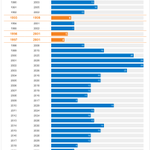


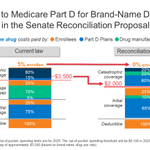
CMS has just released information about Medicare drug plan offerings for 2027, emphasizing stability in the market. Some quick preliminary analysis of the stand-alone Part D drug plan market to follow.⬇️cms.gov/newsroom/press-relea…
The data released today don't tell us anything about plan changes underneath the hood to control costs. Are plans dropping drugs from formularies, increasing copays, moving to coinsurance, etc. These features affect patient cost and access as much as (if not more than) premiums.
CMS has just announced the agency is ending the Part D premium stabilization demonstration at the end of 2026. The demo provided extra subsidies to Part D stand-alone drug plan sponsors amid uncertainty about the impact on plan bids from the IRA's changes to the Part D benefit.
Without these extra subsidies to PDP sponsors in 2027, some Medicare beneficiaries enrolled in PDPs could face steeper premium increases for drug coverage next year, though the plan-specific premium amounts are not yet known. That announcement will come in the fall.
The 2026 Medicare Trustees report is out. Lots of important numbers in here, as always, but the one many people focus on is the year when the Part A trust fund reserves will be depleted: 2033, same as last year, but now 7 years away instead of 8. cms.gov/oact/tr/2026
🚨CMS has announced that the BALANCE model for GLP-1 obesity coverage will not launch in Medicare in 2027 and the Bridge demo will run through 2027 (it was set to run from July-Dec '26). This could add billions in Medicare spending in 2026/27 since the gov't is footing the bill.
Today is the deadline for Medicare Part D plans to apply to participate in the BALANCE model for Medicare GLP-1 obesity drug coverage. Without robust plan participation, the model will not move forward in Medicare in 2027. See our @KFF brief for details. kff.org/medicare/what-to-kno…

🚨 Round 2 of Medicare's drug price negotiation program just kicked off with the popular diabetes and obesity drugs Ozempic and Wegovy at the top of the list of selected drugs. kff.org/quick-take/why-medic…
Medicare price negotiation could play a key role in increasing affordability and access to these drugs. This matters not just for those currently using these drugs, but who would in the future if Medicare coverage expands to cover obesity drugs, which is currently prohibited.
Our newly updated FAQs address several questions related to Medicare’s new drug price negotiation program and details related to implementation for 2026: kff.org/medicare/issue-brief…


CMS faces a Feb. 1 deadline to submit proposed prices to manufacturers for certain Part D drugs. These 3 KFF charts spotlight key elements of the Medicare drug negotiation process — including the timeline, public opinion and what it means for beneficiaries:kff.org/affordable-care-act/…

The FDA has granted full approval to a new Alzheimer’s drug, Leqembi, leading to broader coverage under Medicare. This is good news for Alzheimer’s patients, since without coverage, patients would face the full list price, currently set at $26,500.
At the same time, broader coverage will lead to higher Medicare spending, though how much higher will depend on how many Alzheimer’s patients actually take the drug, a big unknown at this time.
kff.org/policy-watch/new-alz…

If spending on Leqembi ranks it among other top-selling physician-administered drugs, it could eventually qualify for negotiation under Medicare’s new drug price negotiation program – but not until 2036 at the earliest – 13 years after FDA approval. kff.org/medicare/issue-brief…