





Pinned Tweet
💸 For computer-use agents, using a frontier model at every step is expensive—but relying on a small model alone is risky.
LEASH offers a middle ground: let a lightweight agent handle what it can, bring in a stronger model only when needed, and keep monitoring afterward. Put your frontier model on a LEASH !! 🦮
📄 arxiv.org/pdf/2610.22280

Qingni Wang retweeted

Excited to share my first Ph.D. student paper on improving LLM reasoning accuracy and faithfulness by rewarding CoT causality!
Outcome rewards improve accuracy at the cost of faithfulness, whereas CRoS mitigates this trade-off, improving accuracy, reasoning quality, and faithfulness together!
Huge thanks to everyone for the insightful discussions, valuable feedback, and support throughout this project. Really grateful to be part of such a wonderful team! ❤️

🤔 Rewarding correct answers doesn’t guarantee the model relies on the CoT, and LLM reasoning can often be post-hoc rationalization. Can we improve both accuracy and CoT faithfulness by optimizing CoT causality?
💡 Our key idea: If reasoning causally contributes to the final answer, changing the order of its steps should affect the probability of that answer. We propose CRoS (Causality Reward on Scrambled CoTs).
🔥 Outcome rewards improve accuracy at the cost of faithfulness, as models may learn shortcuts rather than rely on their CoTs. CRoS mitigates this trade-off, improving accuracy, reasoning quality, and faithfulness together!
⭐️ On Gemma-3-4B, CRoS improves CoT faithfulness (+13.8%), out-of-domain accuracy (+3.0%), and CoT quality (+2.0%) over the strongest outcome and causality reward baselines trained with GRPO.

Qingni Wang retweeted

Introducing SIDERIUS, an open-source AI Research IDE powered by agents, for scientists.
Division of labor: you bring the science, agents do the ML engineering. Step in anytime: advise, take over any step, or run end to end.
siderius.scitra.org
#AIforScience #OpenSource
Qingni Wang retweeted

Test-time training made small open models rival AlphaEvolve for scientific discovery.
But it pays for it with RL updates throughout the search.
What if the model just kept good notes instead?
Frozen LLM + self-evolving memory:
✅ beats TTT on 5/5 tasks
✅ ~84% fewer FLOPs, ~2x faster
(arXiv: 2610.32046)

Qingni Wang retweeted

🚀 𝐏𝐞𝐫𝐬𝐨𝐧𝐚𝐥 𝐀𝐠𝐞𝐧𝐭𝐬 𝐀𝐫𝐞 𝐓𝐚𝐤𝐢𝐧𝐠 𝐎𝐟𝐟: 𝐆𝐨𝐨𝐠𝐥𝐞 × 𝐔𝐂𝐒𝐁 𝐈𝐧𝐭𝐫𝐨𝐝𝐮𝐜𝐞 𝐒𝐭𝐫𝐞𝐚𝐦𝐕𝐢𝐛𝐞 𝐭𝐨 𝐔𝐧𝐝𝐞𝐫𝐬𝐭𝐚𝐧𝐝 𝐄𝐯𝐨𝐥𝐯𝐢𝐧𝐠 𝐔𝐬𝐞𝐫 𝐈𝐧𝐭𝐞𝐧𝐭 𝐓𝐡𝐫𝐨𝐮𝐠𝐡 𝐈𝐧𝐭𝐞𝐫𝐚𝐜𝐭𝐢𝐨𝐧
🤔The promise of personal agents is compelling: an assistant that understands what we need as we go about our day. But understanding a user is a moving target.
🍳 When we say "help me cook this dish," the next useful action depends on what we do next. A step gets completed. A mistake happens. We change our mind. The agent has to keep up with both the world and our intent, deciding when to help and when to stay quiet.
🔥 Introducing StreamVibe: Proactive Video Agents for Evolving User Intent.
🧩 Three key pieces power StreamVibe: ① StreamVibe-VL learns when and how to help; ② StreamVibe-Harness tracks evolving user intents and task progress; ③ StreamVibe-Bench tests proactive assistance in real-world, long-horizon interactions.
🎬 Watch the demo. More on the ideas and results below. 🧵
🌐 stream-vibe.github.io/
Qingni Wang retweeted

People long believed in human-like computer use. But software (even terminals) is built for humans, not AI agents. Why not let agents build their own?
Meet 𝗔𝗴𝗲𝗻𝘁 𝗦𝟰, an agent scientist evolving its own interfaces, letting an open 27B model beats GPT-5.5 & Opus 4.8.
With its evolved interfaces, the same model improves 𝟯.𝟴× and costs <𝟱% as much per task as either frontier model.
Agents today read screenshots and act through click, scroll, type, maybe a shell. So an agent fills a spreadsheet cell by cell when one line of code would do, or prints two thousand lines of a file to find one function.
Every new app or model release means a human reads trajectories, diagnoses failures, and hand-writes new primitives. Skill-distillation methods can reorder what the interface allows, but they can’t extend it. Agents compensate with more test-time compute instead of a better interface.
𝗠𝗼𝗱𝗲𝗹𝘀 𝗶𝗺𝗽𝗿𝗼𝘃𝗲; 𝗶𝗻𝘁𝗲𝗿𝗳𝗮𝗰𝗲𝘀 𝘀𝘁𝗮𝘆 𝗳𝗿𝗼𝘇𝗲𝗻.
“We want AI agents that can discover like we can, not which contain what we have discovered.”
— Rich Sutton, The Bitter Lesson
Hand-designed interfaces are what we have discovered. Agents can read their own trajectories, spot what’s missing, and write and test code. 𝗜𝗻𝘁𝗲𝗿𝗳𝗮𝗰𝗲 𝗱𝗲𝘀𝗶𝗴𝗻 𝘀𝗵𝗼𝘂𝗹𝗱 𝗯𝗲 𝗮𝗻 𝗮𝗴𝗲𝗻𝘁 𝗰𝗮𝗽𝗮𝗯𝗶𝗹𝗶𝘁𝘆.
That’s what Agent S4 does.
Agent S4 makes a 𝗿𝗲𝗽𝗼𝘀𝗶𝘁𝗼𝗿𝘆 𝗼𝗳 𝗶𝗻𝘁𝗲𝗿𝗳𝗮𝗰𝗲𝘀 𝗮𝗻𝗱 𝘂𝘀𝗮𝗴𝗲 𝗸𝗻𝗼𝘄𝗹𝗲𝗱𝗴𝗲 the unit of evolution. A task agent attempts synthetic tasks with no success labels or verifiers. A meta-agent studies the trajectories, forms hypotheses about which actions, observations, or knowledge would help, and builds descendants through mutation or crossover. Validation tasks the meta-agent never sees decide which repositories survive.
The model and harness stay fixed, and the meta-agent 𝗻𝗲𝘃𝗲𝗿 𝘀𝗲𝗲𝘀 𝗮 𝗯𝗲𝗻𝗰𝗵𝗺𝗮𝗿𝗸 𝘁𝗮𝘀𝗸. 𝗢𝗻𝗹𝘆 𝘁𝗵𝗲 𝗶𝗻𝘁𝗲𝗿𝗳𝗮𝗰𝗲 𝗲𝘃𝗼𝗹𝘃𝗲𝘀.
With the evolved repository, Qwen3.8-27B goes from 𝟱.𝟲% to 𝟮𝟭.𝟯% on OSWorld V2, 𝟯.𝟴× the same model with fixed interfaces and a new state of the art for open-source computer-use agents.
It beats GPT-5.5 (13.0%, $25.50/task) and edges past Opus 4.8 (20.6%, $72.40/task) at $𝟭.𝟭𝟬 per task.
On ScienceBoard, the same model goes from 41.4% to 58.6%.
The analysis is the more interesting part. Evolution mostly deepens interfaces the agent already has: 4 new interfaces and 127 extensions. Give the meta-agent a scratch VM to test its code, and it builds 12 new interfaces and 253 extensions, reaching music scores, audio projects, and 3D scenes. The best repository came from crossing two earlier branches.
In one case study, the seed agent hand-builds a browser client mid-task and debugs through failure after failure; the evolved agent calls page_text and reaches the same message at tool call 𝟭𝟭 instead of 𝟯𝟳.
Human-like computer use was a starting point, not the destination. The interface an agent acts through is a second axis of improvement, beyond better models and harnesses, and agents can now design it themselves. 𝗘𝘃𝗼𝗹𝘃𝗶𝗻𝗴 𝗮𝗴𝗲𝗻𝘁 𝗶𝗻𝘁𝗲𝗿𝗳𝗮𝗰𝗲𝘀 𝗶𝘀 𝗮 𝗻𝗲𝘄 𝗱𝗶𝗺𝗲𝗻𝘀𝗶𝗼𝗻 𝗼𝗳 𝗮𝗴𝗲𝗻𝘁 𝘀𝗲𝗹𝗳-𝗶𝗺𝗽𝗿𝗼𝘃𝗲𝗺𝗲𝗻𝘁.
Qingni Wang retweeted
𝐁𝐞𝐭𝐭𝐞𝐫 𝐫𝐞𝐬𝐮𝐥𝐭𝐬 & 𝐥𝐨𝐰𝐞𝐫 𝐜𝐨𝐬𝐭, 𝐚𝐬 𝐬𝐨𝐨𝐧 𝐚𝐬 𝐲𝐨𝐮 𝐩𝐮𝐭 𝐟𝐫𝐨𝐧𝐭𝐢𝐞𝐫 𝐚𝐠𝐞𝐧𝐭𝐬 𝐨𝐧 𝐋𝐄𝐀𝐒𝐇! 🦮
Why use a frontier model at every step when a lightweight agent can handle lots of the work?
Introducing 𝐋𝐄𝐀𝐒𝐇: 𝐔𝐧𝐜𝐞𝐫𝐭𝐚𝐢𝐧𝐭𝐲-𝐀𝐰𝐚𝐫𝐞 𝐖𝐞𝐚𝐤-𝐭𝐨-𝐒𝐭𝐫𝐨𝐧𝐠 𝐄𝐬𝐜𝐚𝐥𝐚𝐭𝐢𝐨𝐧 𝐚𝐧𝐝 𝐎𝐯𝐞𝐫𝐬𝐢𝐠𝐡𝐭.
LEASH unleashes the strong agent only when the weak agent's latent uncertainty signals the need, and keeps it on a leash afterward.
Two key challenges:
1️⃣ 𝐖𝐡𝐞𝐧 𝐭𝐨 𝐞𝐬𝐜𝐚𝐥𝐚𝐭𝐞? Use the weak agent's latent uncertainty as an inexpensive signal that can be monitored at every step.
2️⃣ 𝐇𝐨𝐰 𝐭𝐨 𝐦𝐚𝐢𝐧𝐭𝐚𝐢𝐧 𝐨𝐯𝐞𝐫𝐬𝐢𝐠𝐡𝐭 𝐚𝐟𝐭𝐞𝐫 𝐞𝐬𝐜𝐚𝐥𝐚𝐭𝐢𝐨𝐧? Even frontier agents can go astray. And when served through black-box APIs, their internal states are inaccessible. LEASH enables continued oversight without accessing the strong agent's internals.
𝐓𝐡𝐞 𝐤𝐞𝐲 𝐢𝐧𝐬𝐢𝐠𝐡𝐭: Knowing when to escalate—and when to intervene—is just as important as knowing how to act.
The future of agentic AI isn't about using the strongest model everywhere. 𝐈𝐭'𝐬 𝐚𝐛𝐨𝐮𝐭 𝐝𝐞𝐩𝐥𝐨𝐲𝐢𝐧𝐠 𝐢𝐧𝐭𝐞𝐥𝐥𝐢𝐠𝐞𝐧𝐜𝐞 𝐰𝐡𝐞𝐫𝐞 𝐢𝐭 𝐦𝐚𝐭𝐭𝐞𝐫𝐬 𝐦𝐨𝐬𝐭.


💸 For computer-use agents, using a frontier model at every step is expensive—but relying on a small model alone is risky.
LEASH offers a middle ground: let a lightweight agent handle what it can, bring in a stronger model only when needed, and keep monitoring afterward. Put your frontier model on a LEASH !! 🦮
📄 arxiv.org/pdf/2610.22280
7/7 🧵 Paper + Team
📄 Paper: arxiv.org/pdf/2610.22280
Work done during my internship at Simular, with my wonderful collaborators from Simular and the University of Wisconsin–Madison:
@Changdae_Oh ,@Toby_Yang_7 ,@SharonYixuanLi, Jiachen Yang,@angli_ai, and
@xwang_lk. Huge thanks to all collaborators! 🙌
3
197
5/7 🧵 Main Results
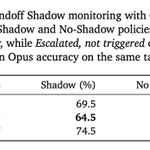
On OSWorld, with Qwen3.5 → Claude Opus 5:
73.66% success @ $0.4117/task, matching always-on Opus (72.90%) at 19.2% lower cost.

1
4
146
Qingni Wang retweeted

A consensus is forming among computer-use agent builders:
Don't run every step of your long desktop task with a frontier model
Weak-to-strong escalation offers a middle ground: a weak agent acts by default and hands control to a strong one only when needed.
But put in practice, this escalation method faces a dilemma:
1. This requires an uncertainty signal cheap enough to check at every step.
2. After handoff, the strong agent can still go astray, and a black-box API exposes no internals to monitor.

Qingni Wang retweeted

1/6 🧠 𝗬𝗼𝘂𝗿 𝗔𝗜 𝗔𝘀𝘀𝗶𝘀𝘁𝗮𝗻𝘁 𝗖𝗮𝗻 𝗥𝗲𝗺𝗲𝗺𝗯𝗲𝗿 𝗪𝗵𝗮𝘁 𝗬𝗼𝘂 𝗦𝗮𝗶𝗱—𝗮𝗻𝗱 𝗦𝘁𝗶𝗹𝗹 𝗜𝗴𝗻𝗼𝗿𝗲 𝗪𝗵𝗮𝘁 𝗬𝗼𝘂 𝗪𝗮𝗻𝘁.
Long-running assistants accumulate facts, preferences, and constraints across conversations. But remembering them is not enough: a response can sound fluent and relevant while still recommending exactly what the user has ruled out.
We present 𝗠𝗲𝗺𝗙𝗼𝗹𝗱: 𝗟𝗲𝗮𝗿𝗻𝗶𝗻𝗴 𝗖𝗼𝗺𝗽𝗮𝗰𝘁 𝗦𝗼𝗳𝘁 𝗠𝗲𝗺𝗼𝗿𝘆 𝗳𝗼𝗿 𝗟𝗼𝗻𝗴-𝗖𝗼𝗻𝘁𝗲𝘅𝘁 𝗣𝗲𝗿𝘀𝗼𝗻𝗮𝗹𝗶𝘇𝗮𝘁𝗶𝗼𝗻 𝘃𝗶𝗮 𝗢𝗻-𝗣𝗼𝗹𝗶𝗰𝘆 𝗢𝗽𝘁𝗶𝗺𝗶𝘇𝗮𝘁𝗶𝗼𝗻. MemFold trains a model to use compact soft memory by learning from the answers it produces, combining task-level rewards with more detailed token-level guidance.
𝗢𝘂𝗿 𝗸𝗲𝘆 𝗳𝗶𝗻𝗱𝗶𝗻𝗴𝘀 🔥:
🎯 𝗝𝘂𝗱𝗴𝗲 𝗺𝗲𝗺𝗼𝗿𝘆 𝗯𝘆 𝘁𝗵𝗲 𝗮𝗻𝘀𝘄𝗲𝗿𝘀 𝗶𝘁 𝘀𝘂𝗽𝗽𝗼𝗿𝘁𝘀. Reconstruction alone does not tell us whether a model will respect a user’s preferences.
🔄 𝗢𝗻𝗲 𝘀𝗲𝘁 𝗼𝗳 𝗿𝗲𝘀𝗽𝗼𝗻𝘀𝗲𝘀, 𝘁𝘄𝗼 𝗹𝗲𝗮𝗿𝗻𝗶𝗻𝗴 𝘀𝗶𝗴𝗻𝗮𝗹𝘀. GRPO rewards task outcomes, while token-level guidance provides more detailed feedback on the same generated responses.
📈 𝗟𝗮𝗿𝗴𝗲𝗿 𝗴𝗮𝗶𝗻𝘀 𝘄𝗶𝘁𝗵 𝗹𝗼𝗻𝗴𝗲𝗿 𝗵𝗶𝘀𝘁𝗼𝗿𝗶𝗲𝘀. Across three Qwen backbones, the margin over the strongest baseline widens from PersonaMem-32K to PersonaMem-128K.
🌍 𝗧𝗿𝗮𝗻𝘀𝗳𝗲𝗿 𝗯𝗲𝘆𝗼𝗻𝗱 𝘁𝗵𝗲 𝘁𝗿𝗮𝗶𝗻𝗶𝗻𝗴 𝗱𝗮𝘁𝗮. MemFold transfers to PrefEval and LongMemEval without target-domain training.
👇 𝗖𝗵𝗲𝗰𝗸 𝗼𝘂𝘁 𝘁𝗵𝗲 𝗽𝗮𝗽𝗲𝗿, 𝗽𝗿𝗼𝗷𝗲𝗰𝘁, 𝗮𝗻𝗱 𝗰𝗼𝗱𝗲:
📄 Paper: huggingface.co/papers/2609.3…
🌐 Project: memfold.github.io
💻 Code: github.com/Johnny221B/memfol…

Qingni Wang retweeted

🛑 Does post-training teach LLMs new agentic skills, or just sharpen what they already know?
[1/11] Introducing Sharpening Tax 🧾 to measure the hidden cost of post-training!

I did not expect “managing AI agents” to feel this much like raising Tamagotchis.
#robosecretary

1
6
788
Qingni Wang retweeted
𝐌𝐞𝐞𝐭 𝐭𝐡𝐞 𝐰𝐨𝐫𝐥𝐝'𝐬 𝐛𝐞𝐬𝐭 𝐜𝐨𝐦𝐩𝐮𝐭𝐞𝐫-𝐮𝐬𝐞 𝐚𝐠𝐞𝐧𝐭, 𝐒𝐚𝐢. 💻
Sai now 𝐭𝐨𝐩𝐬 𝐎𝐒𝐖𝐨𝐫𝐥𝐝 2.0 𝐰𝐢𝐭𝐡 𝐚 73% 𝐬𝐮𝐜𝐜𝐞𝐬𝐬 𝐫𝐚𝐭𝐞, outperforming GPT-5.6 Sol and Claude Opus 5 𝐚𝐭 𝐬𝐢𝐠𝐧𝐢𝐟𝐢𝐜𝐚𝐧𝐭𝐥𝐲 𝐥𝐨𝐰𝐞𝐫 𝐜𝐨𝐬𝐭.
What excites me most is that OSWorld 2.0 moves beyond short benchmark tasks toward longer, more realistic computer workflows, where reliability, planning, memory, and efficiency really matter.
This is exactly the direction we have been pursuing at Simular: 𝐁𝐮𝐢𝐥𝐝𝐢𝐧𝐠 𝐚𝐮𝐭𝐨𝐧𝐨𝐦𝐨𝐮𝐬 𝐜𝐨𝐦𝐩𝐮𝐭𝐞𝐫𝐬 𝐭𝐡𝐚𝐭 𝐜𝐚𝐧 𝐫𝐞𝐥𝐢𝐚𝐛𝐥𝐲 𝐡𝐚𝐧𝐝𝐥𝐞 𝐫𝐞𝐚𝐥 𝐰𝐨𝐫𝐤, 𝐧𝐨𝐭 𝐣𝐮𝐬𝐭 𝐝𝐞𝐦𝐨𝐬.
Proud of the team! There is still a long way to go toward reliable, efficient, superhuman computer use, but it is closer and closer!


Our computer-use agent @sai_borg just beat Opus 5 and GPT-5.6 Sol on OSWorld 2.0.
Sai scored 73% on the CUA benchmark where each complex task takes a skilled human over an hour to execute.
And Sai did it at about 2/3 the cost per task of Opus and GPT 💸
The unlock is our neurosymbolic framework that pairs the exploratory power of neural networks with the logic of symbolic code, resulting in reliability and cost saving.
Read the full report: simular.ai/articles/sai-tops…

Having a great time in Rio at #ICLR2026 — met so many brilliant and fun people here. Excited to share more about our work SAFER and SafeGround, on trustworthy LLMs and GUI grounding. Feel free to follow our work! 🌴🤖


Excited to share that I’ll be presenting SAFER at #ICLR2026 🇧🇷 🎊
✨ SAFER is a two-stage risk control framework for open-ended QA with LLMs.
Our goal is to move beyond heuristic uncertainty estimates toward statistically rigorous trustworthiness guarantees.
Specifically, we introduce:
• Abstention-aware Sampling, which calibrates the minimum sampling budget needed to satisfy a user-specified risk level.
• Conformalized Filtering, which removes unreliable candidates while preserving coverage guarantees.
Together, SAFER provides controllable miscoverage risk in open-ended generation and takes a step toward more trustworthy LLM deployment.
📌 Poster Session: April 24, 2026 | 3:15–5:45 PM BRT
📍 Pavilion 3, Poster P3-#1806
Authors: @Ceeqnn @YFan_UCSC @xwang_lk
I’ll be presenting the poster — feel free to stop by and chat if you’re around.
Looking forward to discussions at ICLR!
