

Crypto Enthusiast • Web3 Guy • Defi • AI • RWA • Gamefi • Multichain Analysis • Marketing Strategist • NFA • Threador 🧵🦅
space
Joined November 2010
- Tweets24.3K
- Following2.6K
- Followers21.2K
- Likes39K




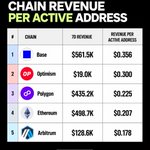


Tokenized equities need more than an onchain ticker. They need assets people can actually use.
@Swisscheese_fn is building on Polygon, combining tokenized stocks with swaps, staking and borrowing. Its security measures include smart contract audits, cold storage, encrypted data and 2FA.
Reliable pricing, liquidity and compliance will determine how far this model can go.
With $SWCH listed on MEXC and Gate.io, SwissCheese is building its presence in the wider crypto market.
The goal is to make stocks functional assets within DeFi, not just put them onchain.

The separation between raw footage and the finished 3D model is important for privacy, but coverage quality will determine whether buyers can actually use the output. How does Vangrid handle disputed captures when a requester rejects a reconstruction that meets the submission requirements?
Funding can quietly turn a profitable trade into a mediocre one over time. Yield-bearing margin helps address the idle-capital problem, but the real comparison is net return after funding, borrowing costs and liquidation risk.
TPS is a capacity metric, not proof of value. For prediction markets, the stronger signal is whether more participants improve accuracy and produce useful signals without letting whales or thin liquidity distort the odds.
I’d call it a reshuffle for now, not a decline in the category. The bigger question is whether crypto-native prediction markets can retain users when regulated platforms offer easier access, especially in sports. Total volume can grow while the original venues lose relevance.
You’ll need to check through Forever’s official mint page or ask @0xMontBlanc to confirm whether there’s a wallet eligibility checker. With only 500 NFTs, I’d verify your wallet before mint day and avoid any unofficial links asking you to connect or sign transactions.
spacebyte ⛓ retweeted

𝗧𝗼𝗸𝗲𝗻𝗶𝘇𝗲𝗱 𝘀𝘁𝗼𝗰𝗸𝘀 𝗮𝗿𝗲 𝗺𝗼𝘃𝗶𝗻𝗴 𝗯𝗲𝘆𝗼𝗻𝗱 𝗵𝗼𝗹𝗱𝗶𝗻𝗴 𝗮𝗻𝗱 𝘁𝗿𝗮𝗱𝗶𝗻𝗴.𝗬𝗼𝘂 𝗰𝗮𝗻 𝗻𝗼𝘄 𝗯𝗼𝗿𝗿𝗼𝘄 𝗮𝗴𝗮𝗶𝗻𝘀𝘁 𝘁𝗵𝗲𝗺 𝗮𝗻𝗱 𝗯𝘂𝗶𝗹𝗱 𝗹𝗲𝘃𝗲𝗿𝗮𝗴𝗲𝗱 𝗲𝗾𝘂𝗶𝘁𝘆 𝗽𝗼𝘀𝗶𝘁𝗶𝗼𝗻𝘀 𝗱𝗶𝗿𝗲𝗰𝘁𝗹𝘆 𝗼𝗻𝗰𝗵𝗮𝗶𝗻.
I spent some time researching the latest development from @pendle_fi, and what caught my attention wasn't just the leverage. It was how three pieces of financial infrastructure are now working together on Base.
On October 22, Pendle introduced PendleLoop, allowing eligible users to build leveraged positions in tokenized US equities through @aave V4.
The supported assets include:
• AAPLc — Apple
• NVDAc — Nvidia
• GOOGLc — Alphabet
• TSLAc — Tesla
• AMZNc — Amazon
• MSFTc — Microsoft
• METAc — Meta
Here's what I found.
➊ 𝗙𝗶𝗿𝘀𝘁, 𝗵𝗼𝘄 𝗱𝗼𝗲𝘀 𝘁𝗵𝗲 𝗹𝗲𝘃𝗲𝗿𝗮𝗴𝗲 𝘄𝗼𝗿𝗸?
@aave already introduced lending markets for these equities in September.
@pendle_fi didn't create a new lending market. It built an interface that combines the transactions required to increase exposure.
Instead of manually buying tokens, supplying collateral, borrowing and repeating the process, users can manage the position through PendleLoop.
The mechanism works like this:
→ Purchase a tokenized stock.
→ Supply the tokens as collateral on $Aave V4.
→ Borrow $USDC against that collateral.
→ Use the borrowed $USDC to purchase additional stock tokens.
→ Repeat within the permitted collateral limits.
The result is a larger equity position than the capital initially committed.
At launch, available leverage ranged from approximately 2.6x to 4.2x, depending on the asset.
But leverage isn't free. Borrowing rates are variable, and a decline in collateral value can trigger liquidation.
➋ 𝗪𝗵𝗮𝘁 𝗮𝗰𝘁𝘂𝗮𝗹𝗹𝘆 𝗯𝗮𝗰𝗸𝘀 𝘁𝗵𝗲𝘀𝗲 𝘁𝗼𝗸𝗲𝗻𝗶𝘇𝗲𝗱 𝘀𝘁𝗼𝗰𝗸𝘀?
This is another detail worth understanding.
@coinbase Tokenized Stocks aren't simply synthetic assets following equity prices.
Each token represents a certificate issued by Coinbase Onchain SPV Ltd, with underlying shares held through Alpaca Securities (an SEC-registered broker-dealer).
The issuer holds those shares under a trust arrangement for token holders.
Corporate actions are also accounted for.
For example:
Dividends are reinvested into additional underlying shares (after applicable fees and taxes),rather than distributed directly to token holders.
This means the tokens provide economic exposure to the underlying equities, although their legal rights and redemption arrangements differ from holding ordinary shares through a brokerage account.
➌ 𝗡𝗼𝘄, 𝘄𝗵𝗮𝘁 𝗮𝗯𝗼𝘂𝘁 𝘁𝗵𝗲 𝗹𝗲𝗻𝗱𝗶𝗻𝗴 𝗺𝗮𝗿𝗸𝗲𝘁?
Aave V4's Equities Hub on @base supports the seven stocks as collateral for USDC borrowing.
At launch, the market had approximately:
• $29M in aggregate equity collateral caps.
• $32M USDC supply cap.
• $21M USDC borrow cap.
• Collateral factors ranging from 65% to 79%.
These are market limits, not actual deposits or borrowing volume.
And the collateral factors matter because they determine how much borrowing capacity each asset receives.
A token with a lower collateral factor generally requires more collateral for the same loan.
This also explains why PendleLoop cannot offer identical leverage across every stock.
➃ 𝗪𝗵𝗮𝘁 𝗱𝗼𝗲𝘀 𝘂𝘀𝗶𝗻𝗴 𝗣𝗲𝗻𝗱𝗹𝗲𝗟𝗼𝗼𝗽 𝗰𝗼𝘀𝘁?
Pendle is currently waiving its service fees on eligible non-PT looping positions until December 31, 2026.
However, that doesn't eliminate the cost of leverage.
Users still face:
• Variable USDC borrowing interest
• Transaction costs and slippage
• Liquidation risk when collateral values decline
Pendle has also announced borrowing incentives distributed through @Merkl_xyz.
Those incentives can reduce effective financing costs for qualifying positions, but they shouldn't be treated as permanent income.
➎ 𝗢𝗻𝗲 𝗿𝗶𝘀𝗸 𝗜 𝘁𝗵𝗶𝗻𝗸 𝗱𝗲𝘀𝗲𝗿𝘃𝗲𝘀 𝗺𝗼𝗿𝗲 𝗮𝘁𝘁𝗲𝗻𝘁𝗶𝗼𝗻
The lending market operates 24/7, but the underlying US stock market doesn't.
Aave uses Chainlink's tokenized equity price feeds, which publish prices 24/5.
During weekends and US market holidays, the feeds retain their last published prices.
That creates a pricing gap:
• A stock could experience a major development outside regular market hours
• while its onchain collateral valuation remains unchanged until the feed updates.
For leveraged positions, a sharp repricing when the feed resumes can become a liquidation problem.
So 24/7 access doesn't mean continuous price discovery or protection from market gaps.
✦ Conclusion
What I find significant is how the responsibilities are divided:
→ @coinbase handles the tokenized equity structure.
→ @aave provides the collateral and borrowing infrastructure.
→ @pendle_fi makes the transactions accessible through one interface.
Each component existed before this integration, but combining them reduces the work required to use tokenized equities in DeFi. And I think that distinction matters.
Issuing more tokenized stocks doesn't necessarily create more demand for them. The stronger test is whether holders are willing to supply those assets as collateral, borrow against them, and maintain positions after promotional incentives expire.
That's what I'll be monitoring:
▸ collateral deposits
▸ actual borrowing demand
▸ utilization
▸ how these markets behave during periods of equity volatility
Because the ability to tokenize a stock has already been demonstrated. Whether that stock can support a liquid, sustainable lending market is the more important question.

The weekend pricing gap is the risk I’d focus on. Tokenized stocks can serve as collateral 24/7, but stale equity prices can hide risk until markets reopen and oracles update, potentially triggering sudden liquidations.
19 hours is a brutal reminder that a vulnerable web server can become a direct path to financial loss. The bigger lesson is that private keys should never be exposed to the application layer in the first place.
Rising land prices can attract early players, but sustainable demand depends on what the plots actually generate and whether new players keep entering. The hidden mechanic could be what makes this more than just buying low and selling high.
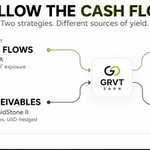
Volume proves activity, but rising TVL without rising volume would suggest GRVT is building stickier capital rather than just attracting more trades. The real test is whether users keep deposits there once incentives fade.
The challenge is price discovery when private shares rarely trade. A blended oracle can help, but the real test is whether its pricing stays reliable enough to prevent manipulation and unfair liquidations during thin liquidity.
Exactly why net flows matter more than headline inflows. $348.6M entering growing pools looks significant until you account for capital leaving elsewhere. The next question is whether that liquidity translates into sustained borrowing demand.
Thanks for the quote Maya!
I’d start with projects that can prove real usage before launching a token. In early-stage AI and DeFi, paying users, repeat activity and a clear revenue model tell you far more than a strong narrative.
Mobile accessibility is a good starting point, but the real test is whether the gameplay stays fun after the novelty wears off. Simple mechanics can attract players; progression and reasons to return are what keep them around.
Quantum resistant proofs are only one part of the equation. The ability to upgrade account signatures independently is equally important, but users still need to know which quantum safe schemes are implemented today versus those still on the roadmap.
Shared state is the crucial part here. If Solana programs and Solidity contracts can interact atomically, developers can compose across both environments without relying on the usual wrapped-asset workflows. The challenge is making that experience secure and seamless in practice.
The next step is making this work for more than lending. If EVM users can access Solana’s liquidity without managing a separate wallet, bringing perps and other on-chain markets into the same flow could make cross-ecosystem access far more practical.
Stablecoin deposits are growing across DeFi, but the capital isn’t flowing evenly between assets or lending markets.
The latest 30-day data shows sUSDS leading individual pool inflows, while USDC is attracting deposits across several @Aave, @sparkfinance and @Compound_xyz markets.
The largest inflows:
→ sUSDS / Sky Ethereum: +$383.1M (+8.6%)
→ USDC / Aave Arbitrum: +$38.0M (+20.9%)
→ RLUSD / Spark Ethereum: +$20.0M (+200%)
→ USDC / Aave Base: +$17.3M (+9.7%)
→ USDC / Aave V4 Ethereum: +$11.5M (+35.7%)
→ USDC / Spark Ethereum: +$9.0M (+22.3%)
→ USDT / Aave V4 Ethereum: +$7.6M (+38%)
What’s particularly revealing is the distribution of USDC inflows.
Across the seven USDC pools shown in the latest inflow table, deposits increased by approximately $92M in aggregate TVL.
Arbitrum and Base accounted for $55.3M of that increase, while Ethereum’s newer Aave V4 Core market grew 35.7%.
But deposit growth doesn’t necessarily translate into higher yields.
@Aave’s USDC supply APY on Arbitrum fell from 2.93% to 2.37% despite attracting $38M in additional deposits.
On Base, the opposite happened. USDC deposits grew $17.3M while supply APY increased from 3.96% to 4.17%, with utilisation reaching 90.3%.
That suggests the relationship between available liquidity and borrowing activity differs considerably between markets.
Meanwhile, sUSDS attracted $383.1M into @SkyEcosystem’s savings product, with its APY increasing from 3.60% to 3.80%.
The distinction is important because savings deposits and lending deposits don’t represent identical forms of capital demand.
These figures describe the largest inflowing pools, not net flows across every market. Outflows elsewhere can offset much of the growth.
Stablecoin adoption is one thing. Attracting deposits into specific markets, maintaining utilisation and generating sustainable borrower demand is another.
The distribution of capital across DeFi is becoming just as revealing as the total supply of stablecoins.
