
Mostly finance nerd, plus Tech/Med Device space
Philadelphia, PA
Joined August 2009
- Tweets21.6K
- Following792
- Followers5.6K
- Likes82.5K







$LNG Cheniere
Longer pitch: Why I think this gets added to the S&P500 and shares go north of $350+ when it does (disc: long, shares+calls.)
First, fundamental backdrop: Trades around 10.5x EV/EBITDA and P/DCF 9.5x. Most "rock solid" stable co's like $WMB $KMI 1-2 turns higher on 27 #'s. I see no reason it can't trade in line with them given the lower leverage (2.5x) and great outlook.
S&P500 add: Been snubbed a few times, but I think they get in now. 2 beat & raises in a row and a relative lack of other good candidates. ARE and MOS could get removed, and AES getting taken private and will be removed. Kalshi has them at 34% chance of being added, Lumina 40%.
IF they get added, it will be a giant add given their float+cap. They'd go in as the 240 largest, and my envelope math (comparing to recent additions) has 20% of the float needed to buy. PLUS, because they're not currently in the midcap index, there's no midcap selling.
Shares have been strong this week, but still 10% under its post earnings high. My target of $350 is only 6% above post earnings high. Higher is possible, and I don't think this gets immediately sold by existing owners because it trades up a turn.

$LNG Cheniere Quick pitch
- Great Mgmt, Utility like assets priced reasonably (10-11 EV/EBITDA)
- Raised Estimates 3x this year, buying back shares with extra $
- Dropped from $330 post earnings to $283 now.
- 1 in 3 odds it's added to the S&P500 Dec4 Per Kalshi
Why not?
1
11
1,143

$HRB H&R Block
Boring company in an irrelevant quarter.
-Maintained guide (Rev +4.8%, EBITDA +6.4%, EPS +15.6%)
-Higher expenses mix of severance, franchise acquisitions and tech investment
-Only $100m of the $400+ FY27 repurchase used in Q1. They finally stopped repurchasing in only a few months of the year.
Still think AI helps them, P/E of 8 for MSD EBITDA growth and mid teens earning growth is good risk/reward.
Props again to my boy George Tong, who's had a sell on this since $14, and just raised the PT to $40.

$HRB Q1 2027 earnings: H&R Block off-season sales rise 10%, but higher costs widen its loss
H&R Block, the tax preparation and small-business software company, grew off-season revenue while higher staff and headquarters costs widened its seasonal loss. First-quarter sales rose 10% from a year ago on international filings, audit protection plans, and small-business services, but operating expenses grew 11% and pushed the loss excluding one-offs to $172 million. Chief executive Curtis Campbell kept the full-year outlook unchanged, which by our math leaves about 5% sales growth for the rest of the year.
• Revenue: $𝟐𝟐𝟒.𝟑𝐌 (+10.2% from a year ago)
• Loss per share, excluding one-offs: -$𝟏.𝟒𝟎 (-$1.20 a year ago)
• Shares bought back: $𝟏𝟎𝟎.𝟑𝐌 (2.2M shares at $45.68)
• Full-year outlook: 𝐔𝐧𝐜𝐡𝐚𝐧𝐠𝐞𝐝 (middle of the range: 4.8% sales growth)
⚖️ 𝐕𝐞𝐫𝐝𝐢𝐜𝐭: ⚪ Neutral
The story is unchanged because the first quarter brings in only about 5% of yearly revenue and cannot test peak tax-season demand. On the positive side, the company completed its office leadership layoff on budget and shifted share buybacks to a steady quarterly pace, retiring 2.2 million shares. The caution: headquarters overhead jumped 36% and field pay excluding severance still grew faster than sales.
The question now is whether higher spending on year-round office managers and AI tools will win more assisted tax clients or just raise fixed costs while self-preparers leave. Bulls see the new market-area roll-out and rising protection-plan deferrals as proof of pricing power; skeptics point to lagging do-it-yourself sales and rising overhead. Third-quarter assisted tax volumes and margins will settle it.
Full article with charts - link in bio
🐂 𝐁𝐮𝐥𝐥 𝐂𝐚𝐬𝐞
🟢 𝐎𝐟𝐟-𝐒𝐞𝐚𝐬𝐨𝐧 𝐒𝐚𝐥𝐞𝐬 𝐓𝐨𝐩𝐩𝐞𝐝 𝟏𝟎% 𝐆𝐫𝐨𝐰𝐭𝐡
H&R Block, the tax preparation and small-business software company, makes about 5% of its yearly sales in the first quarter. Even so, revenue rose 10.2% from a year ago to $224.3 million, doubling the 5.0% growth rate from the same quarter last year. Chief executive Curtis Campbell said the company is "advancing strategic initiatives designed to enhance the client experience and support future growth."
• Tax protection and identity services (Peace of Mind audit protection and Tax Identity Shield): $34.3 million, up 17.6% from a year ago by our math
• International services (primarily tax preparation in Canada and Australia): $74.8 million, up 12.5% by our math
• Small business services (bookkeeping, payroll, and payments through Block Advisors and Wave): $34.9 million, up 12.4% by our math
• U. S. small business assisted tax preparation: $20.6 million, up 9.4% by our math
This matters because the fastest growth came from year-round services and add-on protection plans rather than one-off tax filings. Because H&R Block kept its full-year revenue outlook at $4.11 billion to $4.16 billion, by our math the plan requires 4.5% growth over the rest of the year.
What to watch: U. S. assisted tax preparation revenue in the third quarter, which covers the peak January-to-April filing season. Holding growth near 4% or better against last year's 6.9% nine-month pace would show the core business can hit the full-year plan.
🟢 𝐒𝐭𝐞𝐚𝐝𝐲 𝐁𝐮𝐲𝐛𝐚𝐜𝐤𝐬 𝐑𝐞𝐩𝐥𝐚𝐜𝐞𝐝 𝐅𝐫𝐨𝐧𝐭-𝐋𝐨𝐚𝐝𝐞𝐝 𝐒𝐩𝐞𝐧𝐝𝐢𝐧𝐠
Finance chief Tiffany Mason plans to spread roughly $400 million of share buybacks across the fiscal year rather than spending the whole budget in the first quarter as the company did last year. While critics note that programmatic buybacks pushed book equity into a $242.3 million deficit this quarter, the steady pace retired shares at a lower price.
In the first quarter, the tax preparer bought back and retired 2.2 million shares for $100.3 million, or $45.68 per share, compared with $50.90 per share in the first quarter a year ago. That lowered the average diluted share count by 6.3% from a year ago to 123.1 million. Because the first quarter is a seasonal loss period, a smaller share count made the loss per share excluding one-offs widen by 16.7% to $1.40 even though the net loss excluding one-offs grew 9.5%. In the profitable second half, the same math will lift profit per share.
What to watch: weighted average diluted shares in the third quarter. A count at or below 122 million would confirm the company is on track to get roughly half of its full-year profit-per-share growth from share reductions.
🟢 𝐏𝐨𝐬𝐢𝐭𝐢𝐯𝐞𝐬 𝐭𝐡𝐢𝐬 𝐪𝐮𝐚𝐫𝐭𝐞𝐫 𝐝𝐢𝐝𝐧'𝐭 𝐭𝐞𝐬𝐭
One operational restructuring finished on schedule this quarter, while three standing growth drivers from last tax season can only be tested when peak filing begins in the third quarter.
• Year-round office leadership transition: H&R Block booked $8.0 million of severance in the first quarter to move from seasonal to year-round office leaders, finishing inside its $8.3 million estimate; the earnings test is third-quarter office productivity.
• Consultative office roll-out: expanding the AI-assisted, advice-led model from five pilot offices to a full market area awaits the third-quarter tax season.
• Higher-income client mix: whether households earning $50,000 to $200,000 rise above last year's 50% share of clients is measured across the full filing season.
• Client conversion and retention: last year's gains from automated Second Look tax reviews (which check prior returns for missed deductions) will be re-tested in third-quarter return volumes.
🐻 𝐁𝐞𝐚𝐫 𝐂𝐚𝐬𝐞
🔴🔴 𝐎𝐯𝐞𝐫𝐡𝐞𝐚𝐝 𝐚𝐧𝐝 𝐅𝐢𝐞𝐥𝐝 𝐂𝐨𝐬𝐭𝐬 𝐎𝐮𝐭𝐩𝐚𝐜𝐞𝐝 𝐑𝐞𝐯𝐞𝐧𝐮𝐞
Mason said H&R Block "invested in the business to support future growth" and kept the full-year profit outlook unchanged. However, total operating expenses rose 11.1% from a year ago to $456.2 million, outrunning the 10.2% revenue gain. Even excluding the $8.0 million severance charge "associated with the previously announced seasonal office leadership transition", operating costs climbed 9.2% by our math.
• Field compensation and benefits (wages and benefits for tax office staff): 45.5% of revenue, up 4.8 percentage points from a year ago by our math (or up 1.3 points excluding severance)
• General corporate expenses (headquarters overhead and consulting): 15.4% of revenue, up 2.9 percentage points after jumping 35.8% to $34.4 million by our math
• Adjusted EBITDA (earnings before interest, taxes, depreciation, and amortization, excluding one-offs): a loss of $185.2 million, widening 8.9% from $170.0 million a year ago
The company does not break out how much of the cost increase went to new technology versus routine overhead. Because the first-quarter loss widened, by our math H&R Block must grow Adjusted EBITDA by 6.8% over the rest of the year to reach the middle of its $1.11 billion to $1.14 billion target.
What to watch: general corporate expenses and field wages in the second and third quarters. Continued overhead growth above 10% during peak season would squeeze full-year margins toward the bottom of the company's plan.
🔴 𝐃𝐨-𝐈𝐭-𝐘𝐨𝐮𝐫𝐬𝐞𝐥𝐟 𝐚𝐧𝐝 𝐅𝐫𝐚𝐧𝐜𝐡𝐢𝐬𝐞 𝐂𝐡𝐚𝐧𝐧𝐞𝐥𝐬 𝐒𝐭𝐢𝐥𝐥 𝐋𝐚𝐠
Two persistent weak spots from last year — customers filing their own taxes online and independent franchise offices trailing company-owned stores — showed the same pattern in the first quarter's off-season filings.
While U. S. small business assisted tax preparation revenue rose 9.4% from a year ago to $20.6 million and U. S. consumer assisted revenue grew 3.2% to $30.7 million by our math, U. S. consumer do-it-yourself (DIY) tax revenue edged up just 1.7% to $3.0 million. U. S. small business DIY revenue fell 13.3% to $0.7 million, and U. S. royalties from franchise offices dropped 2.8% to $5.7 million. The US group is buying back 100 to 125 franchise locations a year, which shifts revenue from royalties to company-owned stores, but the soft DIY numbers show self-service demand remains sluggish ahead of the main filing season.
What to watch: online paid DIY return volumes in the third quarter. A third straight year of falling paid DIY filings would confirm that H&R Block is losing self-preparers to rival software or free AI tools.
🔴 𝐑𝐢𝐬𝐤𝐬 𝐭𝐡𝐢𝐬 𝐪𝐮𝐚𝐫𝐭𝐞𝐫 𝐝𝐢𝐝𝐧'𝐭 𝐚𝐧𝐬𝐰𝐞𝐫
Three standing risks could not be evaluated from the first-quarter earnings release because the filing season has not started and the quarterly filing is not yet available.
• AI substitution in tax preparation: whether consumers use AI tools to file on their own instead of paying an H&R Block preparer will only show up in third-quarter assisted return volumes and the conference call Q&A.
• Slower industry growth against a tough comparison: U. S. assisted revenue grew 6.9% over the first nine months of last year, and the test against that high bar arrives in the third quarter.
• Legal and regulatory accruals: last year's annual report showed legal reserves tripled to $18.4 million over Free File and website tracking inquiries; the first-quarter 10-Q filing will show if those reserves rose again.
— • — • —
💲 𝐎𝐭𝐡𝐞𝐫 𝐊𝐏𝐈𝐬
𝐃𝐞𝐟𝐞𝐫𝐫𝐞𝐝 𝐫𝐞𝐯𝐞𝐧𝐮𝐞 𝐚𝐧𝐝 𝐨𝐭𝐡𝐞𝐫 𝐥𝐢𝐚𝐛𝐢𝐥𝐢𝐭𝐢𝐞𝐬 (𝟐𝟕𝐐𝟏): $𝟐𝟕𝟕.𝟔 𝐦𝐢𝐥𝐥𝐢𝐨𝐧 ⇒ stable
Total deferred revenue — cash collected upfront for services delivered later, such as Peace of Mind audit protection and Tax Identity Shield — rose 10.5% from a year ago by our math ($194.9 million current plus $82.7 million noncurrent, vs $251.1 million a year ago). That kept pace with the 11.0% growth recorded at the end of fiscal 2026.
𝐂𝐚𝐩𝐢𝐭𝐚𝐥 𝐞𝐱𝐩𝐞𝐧𝐝𝐢𝐭𝐮𝐫𝐞𝐬 𝐚𝐧𝐝 𝐚𝐜𝐪𝐮𝐢𝐬𝐢𝐭𝐢𝐨𝐧𝐬 (𝟐𝟕𝐐𝟏): $𝟑𝟏.𝟎 𝐦𝐢𝐥𝐥𝐢𝐨𝐧 ⇗ accelerating
H&R Block spent $20.8 million on property and equipment (9.3% of revenue, up from $13.2 million a year ago) and $10.3 million acquiring businesses such as franchise offices (up from $5.1 million a year ago). Higher capital spending pushed the first-quarter free cash flow outflow to $379.2 million by our math, compared with $370.0 million last year.
— • — • —
🔮 𝐆𝐮𝐢𝐝𝐚𝐧𝐜𝐞
𝐅𝐘𝟐𝟕 𝐑𝐞𝐯𝐞𝐧𝐮𝐞: $𝟒.𝟏𝟏–𝟒.𝟏𝟔 𝐛𝐢𝐥𝐥𝐢𝐨𝐧 ⇘ decelerating
🠆 unchanged from $4.11–4.16 billion
Unchanged. The plan calls for revenue to grow 4.8% at the middle of the range, matching last year's 4.9% gain. After 10.2% growth in the small first quarter, by our math the outlook leaves 4.5% growth for the rest of the year. The tax preparer has beaten its initial full-year revenue range in each of the past two fiscal years.
𝐅𝐘𝟐𝟕 𝐀𝐝𝐣𝐮𝐬𝐭𝐞𝐝 𝐄𝐁𝐈𝐓𝐃𝐀: $𝟏.𝟏𝟏–𝟏.𝟏𝟒 𝐛𝐢𝐥𝐥𝐢𝐨𝐧 ⇗ accelerating
🠆 unchanged from $1.11–1.14 billion
Unchanged. The target points to 6.4% growth at the middle of the range over last year's $1.06 billion EBITDA. Because the first-quarter loss excluding one-offs widened by $15.2 million, by our math the company needs 6.8% growth over the rest of the year. The outlook excludes the $8.0 million first-quarter severance charge, whereas prior years absorbed severance inside unadjusted EBITDA.
𝐅𝐘𝟐𝟕 𝐀𝐝𝐣𝐮𝐬𝐭𝐞𝐝 𝐃𝐢𝐥𝐮𝐭𝐞𝐝 𝐄𝐏𝐒: $𝟔.𝟎𝟒–𝟔.𝟐𝟒 ⇗ accelerating
🠆 unchanged from $6.04–6.24
Unchanged. Management's plan calls for profit per share excluding one-offs to rise 15.6% at the middle of the range from $5.31 in fiscal 2026. By our math, after the wider first-quarter per-share loss of $1.40, profit per share across the remaining three quarters must grow 15.8% from a year ago, helped by a ~6% lower share count.
𝐅𝐘𝟐𝟕 𝐄𝐟𝐟𝐞𝐜𝐭𝐢𝐯𝐞 𝐓𝐚𝐱 𝐑𝐚𝐭𝐞: ~𝟐𝟑% ⇒ stable
🠆 unchanged from ~23%
Unchanged. The company still expects a full-year tax rate near 23%. Last year's reported rate was 13.8% because of a one-time $84.1 million IRS settlement benefit in the third quarter, while the rate excluding one-offs was 23.6%. In the first quarter, the effective tax benefit rate on the seasonal loss was 21.9%, down from 23.6% a year ago.
— • — • —
❓ 𝐊𝐞𝐲 𝐐𝐮𝐞𝐬𝐭𝐢𝐨𝐧𝐬
𝐖𝐡𝐚𝐭 𝐝𝐫𝐨𝐯𝐞 𝐭𝐡𝐞 𝟑𝟔% 𝐣𝐮𝐦𝐩 𝐢𝐧 𝐠𝐞𝐧𝐞𝐫𝐚𝐥 𝐜𝐨𝐫𝐩𝐨𝐫𝐚𝐭𝐞 𝐞𝐱𝐩𝐞𝐧𝐬𝐞𝐬?
General corporate expenses rose $9.1 million, or 35.8%, to $34.4 million in the first quarter. How much of that increase is recurring overhead versus one-time consulting or investor-day preparation?
𝐖𝐡𝐲 𝐝𝐢𝐝 𝐟𝐢𝐞𝐥𝐝 𝐜𝐨𝐦𝐩𝐞𝐧𝐬𝐚𝐭𝐢𝐨𝐧 𝐫𝐢𝐬𝐞 𝟏𝟒% 𝐞𝐱𝐜𝐥𝐮𝐝𝐢𝐧𝐠 𝐬𝐞𝐯𝐞𝐫𝐚𝐧𝐜𝐞?
Even after stripping out $8.0 million of severance, field compensation and benefits rose 13.7% by our math, outpacing 10.2% revenue growth. How much of this is permanent cost from the new year-round office leadership model?
𝐖𝐡𝐚𝐭 𝐚𝐫𝐞 𝐭𝐡𝐞 𝐮𝐧𝐢𝐭 𝐞𝐜𝐨𝐧𝐨𝐦𝐢𝐜𝐬 𝐨𝐟 𝐭𝐡𝐞 𝐜𝐨𝐧𝐬𝐮𝐥𝐭𝐚𝐭𝐢𝐯𝐞 𝐨𝐟𝐟𝐢𝐜𝐞𝐬?
Management is expanding its advice-led office model from five pilot stores to a full market area for the 2027 tax season. What pricing, product attachment, and labor cost per client did the five pilot offices achieve?
𝐃𝐢𝐝 𝐥𝐞𝐠𝐚𝐥 𝐫𝐞𝐬𝐞𝐫𝐯𝐞𝐬 𝐟𝐨𝐫 𝐅𝐫𝐞𝐞 𝐅𝐢𝐥𝐞 𝐚𝐧𝐝 𝐭𝐫𝐚𝐜𝐤𝐢𝐧𝐠 𝐢𝐧𝐪𝐮𝐢𝐫𝐢𝐞𝐬 𝐜𝐡𝐚𝐧𝐠𝐞?
Accrued legal liabilities tripled to $18.4 million in fiscal 2026 over IRS Free File and website pixel claims. What is the balance in the first-quarter 10-Q, and what is the timeline for resolving these cases?

$LNG Cheniere Quick pitch
- Great Mgmt, Utility like assets priced reasonably (10-11 EV/EBITDA)
- Raised Estimates 3x this year, buying back shares with extra $
- Dropped from $330 post earnings to $283 now.
- 1 in 3 odds it's added to the S&P500 Dec4 Per Kalshi
Why not?
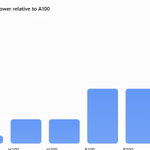
$NVDA A100's are fully depreciated (or close) now. Anyone securitizing receives money back years 3-4 and paid off year 5-6.
3X capability jump b/w A100&H100. H100 will be useful a long time. A100 exceeding expectations on longevity.


Now everyone is responding saying it's not H100s, it's A100s. I wrote this post because people were in my original post saying they were H100s so it was fine
But regardless of what they are, I thought compute price only goes up? Does them being A100s mean it's a good idea to securitize GPU loans and put them in firefighters & teachers pension funds?
$AMZN
Sold 2/3rds of this at $260. Not bad for less than a week. I think I'll have a chance to reload it lower again.
Added back $AMZN AH at $225. Will add more at $215 and make it a full+ if it hits $200 (doubt it will.)
21x Fwd P/E for one of the most dominant businesses around. 40% AWS growth next two years and margins likely improve with Gravitron/Trainium/Inferentia.
4
7
1,186
Energy Transfer $ET
2025 DCF: $8.2B
2026 DCF thru Q3: $7.8B
2026 DCF (my est based on EBITDA guide): $10.3B
-4.7B distributions
-5.5B CapEx
They're building $5.5B of projects straight from OCF (Hyperscalers, take note.) Lots of utility like projects (power plant connects.)
4
13
1,947
Global Payments $GPN
I sadly do not. This stings because my analysis was good but took too big of an position. I sold in my March degross (which worked; it dropped 9% post sale) but never rebought.
My trading rules have save me from big losses but nothing's perfect and this happens.

3
11
2,767
Added back $AMZN AH at $225. Will add more at $215 and make it a full+ if it hits $200 (doubt it will.)
21x Fwd P/E for one of the most dominant businesses around. 40% AWS growth next two years and margins likely improve with Gravitron/Trainium/Inferentia.
$AMZN Amazon
At $200, it’s a forward P/E of 25x. For a company that used to trade at ♾️ P/E because it was growing and cementing itself into everything.
It’s still investing in AWS, one of the best businesses on the planet, where growth is accelerating from a huge base, while simultaneously having a core retail biz that stands to benefit from AI automation etc.
But the CapEx is suddenly now bearish? Why? We’d rather them buy back shares or something?
Sometimes the market just loses its mind and sees everything as bearish. If CapEx came into at $100B, shares would have dropped because “out of growth” or GCP/Azure overtaking them.
This dumb software freak out is in the 8th inning I think.
$PMT PennyMac Mortgage Investment Trust
Adj. EPS 0.35
BV = $14.03
"Given these dynamics and considering PMT currently trades at a steep discount to book value, we expect to decrease our current dividend in favor of share repurchases.”
$RITM=$9.23 (+6% today after earnings.)
RITH YE23 BV=$11.90
Q226 BV=$12.33
Q326 BV=$12.51
Yield=11.1%
$PMT Price=$7
PMT YE23 BV=$16.34
Q226 BV=15.04
Q326 BV=?
Yield=23%
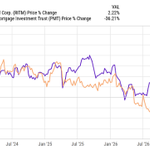
Seems like a mispricing to me. PMT should cut it's distribution in half and buy back shares.

2
13
1,243

$AER blowing thru my estimates made before Iran.
Adj. EPS $6.56, RoE 22%!
$1.1B of asset sales at 45% GoS margin
BVPS=$125, P/B=1.2x
Repurchased 10% of S/O in 2026
Debt/Equity=2.0
More production delays at $BA. Should be worth more.
AerCap $AER solid beat at $3.95 which including costs due to Spirit.
2026 Core Earnings Guide: We started 2025 at "8.50-9.50" which got walked up to $11 last quarter and finished at $11.42.
FY26 guide started at $12-13 (+$1.8/share per their slide.) They'll walk this up 50 cents/quarter, so likely $14.5-15, plus another $4+ in gain on sale.
$WLFC read-thru, Shannon Engine JV up 90% YoY.
Forward P/E ~7.5, debt to equity 2.11 vs. 2.35 last year. RoE 14%, net spread 8%.. still cheap!

Just wanted to say thank you for all the nice comments, advice, and folks reaching out via DM here. Much appreciated and excited for the next chapter.
Anyone want to hire me? (advice welcome, too.)
Current FT role in Med Device R&D ending soon. Been a great 23 year run, but been focused more on investing since at least 2017. Unsure if I get another R&D job, invest my PA fulltime, or do "something else."
Wife isn't thrilled with the idea of me being in the house for the next 40+ years, and it concerns me too. So just exploring other possibilities.
Track record below.


45
2,118
Anyone want to hire me? (advice welcome, too.)
Current FT role in Med Device R&D ending soon. Been a great 23 year run, but been focused more on investing since at least 2017. Unsure if I get another R&D job, invest my PA fulltime, or do "something else."
Wife isn't thrilled with the idea of me being in the house for the next 40+ years, and it concerns me too. So just exploring other possibilities.
Track record below.